The Underground Military Command Bunkers of Zossen, Germany Kampe, Hans George
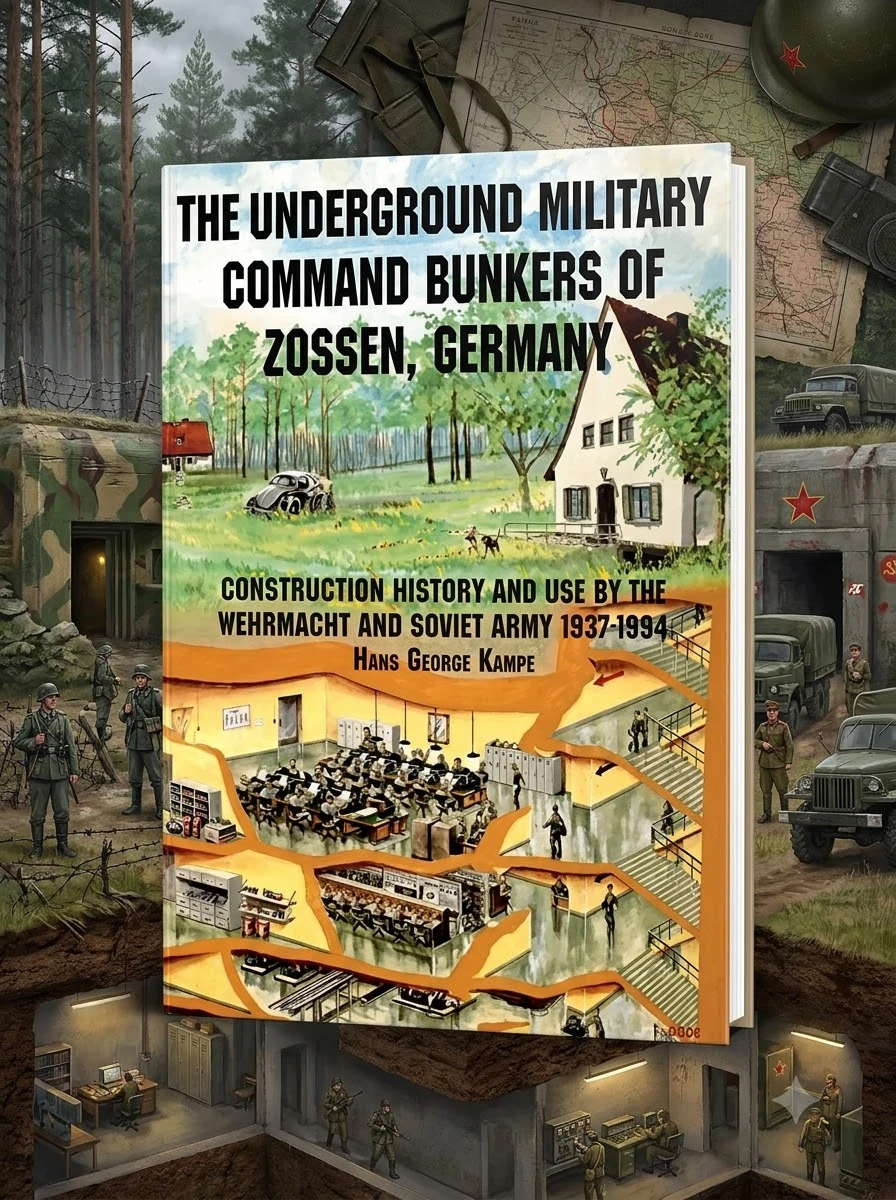
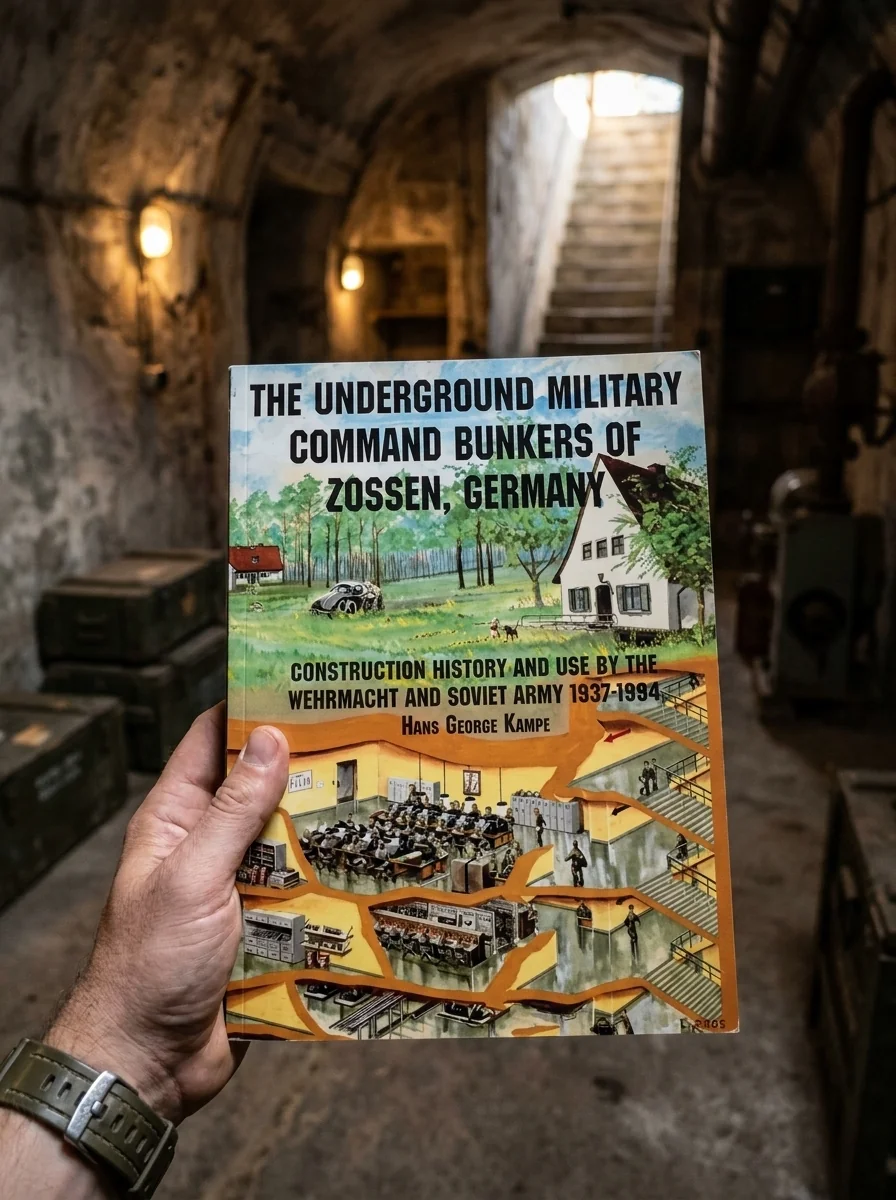
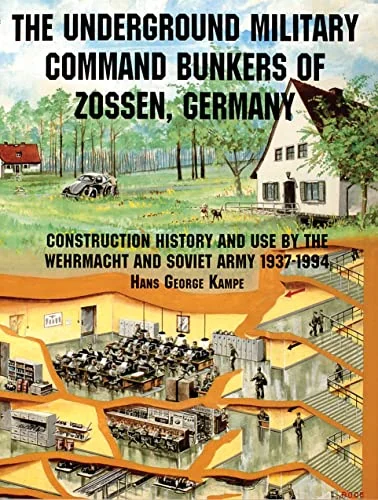
Venture into the shadowed subterranean world of Zossen, Germany, where layers of military history lie entombed. This compelling study delves into the enigmatic command bunkers situated south of Berlin, facilities that served as the silent nerve center for German forces during World War II. Later, these same hidden chambers became the operational core for Soviet occupation, witnessing a profound shift in power dynamics within their concealed walls. Discover the profound secrets and strategic machinations orchestrated from these forgotten subterranean bastions, shaping the course of history from the unseen.


📝 Description: The Underground Military Command Bunkers of Zossen, Germany Kampe, Hans George
💎 Expert review
📖 Why choose it
Why this book is worth reading
This book is a compelling discovery for readers fascinated by the unseen mechanisms of power and the physical manifestations of wartime strategy. It offers a unique window into the clandestine heart of German command structures, revealing how these subterranean bastions influenced both World War II and subsequent Soviet occupation. Those who enjoy uncovering forgotten historical narratives will appreciate the detailed exploration of Zossen’s shadowed world. It is ideal for individuals seeking to understand the profound secrets orchestrated from beneath the earth, providing a tangible connection to the strategic machinations that shaped history. By venturing into these hidden chambers, readers gain insight into the silent nerve centers that directed the course of events, making it essential for enthusiasts of military architecture and geopolitical shifts.
⭐ Reader reviews
Reader rating
This title serves as a specialized deep dive into the Zossen command bunkers, offering a detailed study of their role in WWII and Soviet occupation. It is best suited for military historians and those with a specific interest in German fortifications or Cold War infrastructure. However, it does not suit readers seeking broad narrative storytelling, general war histories, or philosophical occultism despite the shelf placement. The focus remains strictly on the physical facilities and their operational significance rather than metaphysical exploration. Readers looking for dramatic plots or character-driven narratives may find this account too technical and geographically focused. It is a niche resource for those specifically investigating the architectural and strategic legacy of these entombed military sites.
❓ Frequently asked questions
📖 Who should read this
Seekers of hidden knowledge, delve into the profound secrets of covert military operations. If you are drawn to the unseen architecture of power, the silent command centers that shaped global conflicts, or the shadowed history beneath our feet, this exploration of Zossen's bunkers awaits your discerning gaze.
🎯 Key themes and symbolism
Hidden Power Structures
Explore how these concealed bunkers represent the unseen apparatus of state control and military might, operating away from public view. The architecture of secrecy itself becomes a silent testament to the profound influence wielded from these subterranean command posts, shaping outcomes from the shadows.
Subterranean Geopolitics
Uncover the strategic importance of underground spaces in military planning, revealing how these hidden complexes influenced political and military decisions across different eras. From World War II to the Cold War, Zossen’s depths played a critical role in the silent theatre of global power struggles.
Echoes of Conflict
Delve into the lingering aura of historical events within these silent, buried structures. The physical space itself seems to hold the memory of past conflicts and the brilliant, sometimes terrifying, minds that directed them, offering a haunting glimpse into history's hidden corners.
📜 Historical context
📚 Glossary
- Zossen
- Command Bunker
- Geopolitical Machinations
📔 Questions to reflect on
- How might the existence of vast, hidden command centers influence our collective understanding of historical events and their true origins?
- Consider the psychological impact of working in a perpetually subterranean environment during wartime, disconnected from the world above. What kind of power does that isolation confer?
- Reflect on the ethical implications of leadership operating from absolute secrecy, making decisions that affect millions without public scrutiny. What are the dangers and potential benefits?