Asian Ivory
Snyder, Jeffrey BThis edition can be ordered. No arrival date is confirmed.
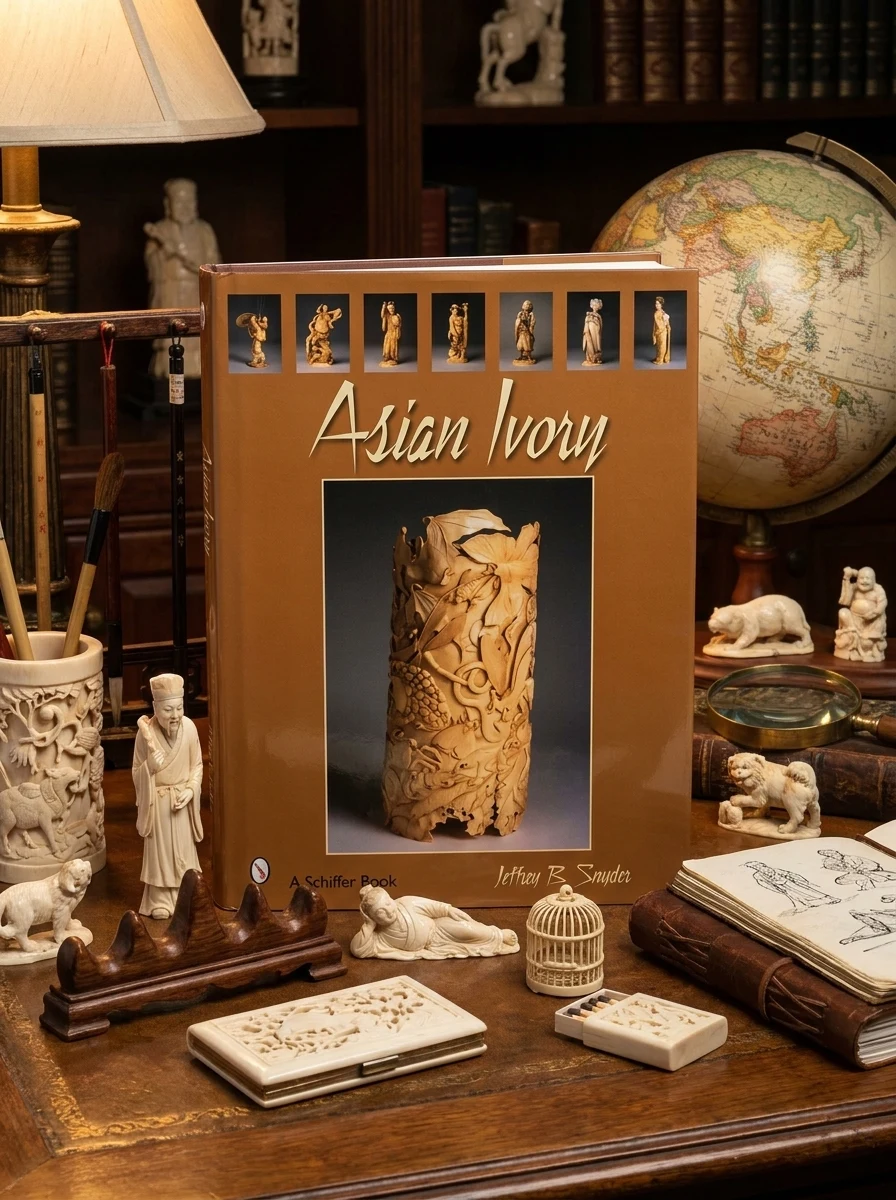
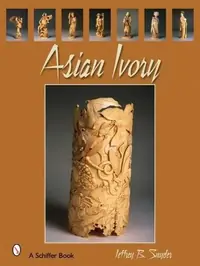
Ivory whispers of Meiji-era artisans, captured in six hundred luminous photographs of exquisite Asian craftsmanship.
Jeffrey B. Snyder invites you into the gilded world of Asian ivory, focusing primarily on graceful okimono figures from the nineteenth and early twentieth centuries. Beyond these central sculptures, the volume surveys the wider universe of ivory artifacts: scholar’s brush holders, delicate wrist rests, intricate cricket cages, and the ornate fittings of sword hilts and scabbards. Rich with over six hundred photographs, the text traces the ivory trade’s journey from East to West, weaving in historical accounts from European travelers and folk tales that reveal the symbolic weight behind each carved character. It is a visual and historical archive for the discerning collector.
This volume anchors itself in the rich tradition of Meiji-era Asian craftsmanship, serving as a visual archive for collectors of okimono and ivory artifacts. It bridges the gap between decorative arts history and the broader narrative of the ivory trade's journey from East to West.


📝 Description: Asian Ivory
💎 Expert review
📖 Why choose it
Why this book is worth reading
This book is a treasure trove for the discerning collector who appreciates the intricate beauty of Asian ivory. Readers will gain access to over six hundred luminous photographs that capture the exquisite details of okimono figures, scholar’s brush holders, and delicate wrist rests. Beyond mere aesthetics, the text provides essential historical context by weaving in accounts from European travelers and symbolic folk tales. It offers a comprehensive survey of the wider universe of ivory artifacts, including sword hilt fittings and cricket cages. For anyone seeking to understand the symbolic weight behind each carved character or tracing the trade’s journey, this volume serves as an indispensable visual and historical archive. It transforms appreciation of these gilded objects into a deeper understanding of their cultural significance and artistic legacy.
⭐ Reader reviews
Reader rating
Snyder delivers a visually stunning survey that will delight those with an eye for exquisite Asian craftsmanship. The six hundred photographs are the primary draw, offering a rare glimpse into the gilded world of okimono and ivory artifacts. However, this book is not for casual readers or those expecting dense philosophical discourse on esoteric traditions; it remains firmly rooted in decorative arts history. It may also disappoint collectors seeking definitive market valuations, as the focus is strictly on historical accounts and visual documentation rather than commercial appraisal. The integration of European traveler accounts adds depth but requires an interest in cross-cultural exchange. Ultimately, it is a specialized archive for those who value the symbolic weight of carved characters and the artistic legacy of Meiji-era artisans above all else.
❓ Frequently asked questions
📖 Who should read this
Collectors of Asian antiques, ivory enthusiasts, and art historians seeking a visually rich, historically grounded reference for Meiji-era craftsmanship and its global market context.
🎯 Key themes and symbolism
Meiji Ivory Aesthetics
The book deeply explores the stylistic shifts during the Meiji period, highlighting how artisans adapted traditional techniques to meet global tastes while maintaining intricate figural precision and cultural symbolism in their work.
Cultural Symbolism
Snyder decodes the narratives embedded in the carvings, using folklore to explain the personified beliefs and mythological characters depicted in okimono, offering context that transforms mere observation into deep cultural understanding.
Trans-Pacific Trade
The text examines the historical flow of ivory goods from Japanese and Chinese workshops to Western markets, documenting the economic and social interactions through the eyes of nineteenth-century European merchants and travelers.
💬 Quotes from the book
“The carver’s chisel does not merely shape ivory; it captures the breath of folklore, turning silence into a narrative of gods and spirits.”
“From the tea houses of Kyoto to the galleries of London, the ivory trade wove a complex web of desire and diplomacy.”
📜 Historical context
📚 Glossary
- Okimono
- Makidashi
- Inro
📔 Questions to reflect on
- How does the symbolism of the figures in the okimono reflect the spiritual beliefs of the Meiji era?
- What can the evolution of ivory carving techniques tell us about the changing relationship between East and West?
- In what ways do the folk tales associated with these artifacts deepen your appreciation of their artistic value?
✍️ More books by this author Snyder, Jeffrey B
All books by this author →

🏛 Books from this publisher Schiffer Publishing
All books from this publisher →
 89
89






You might also like
See more →
 91
91
 91
91

 91
91
 91
91