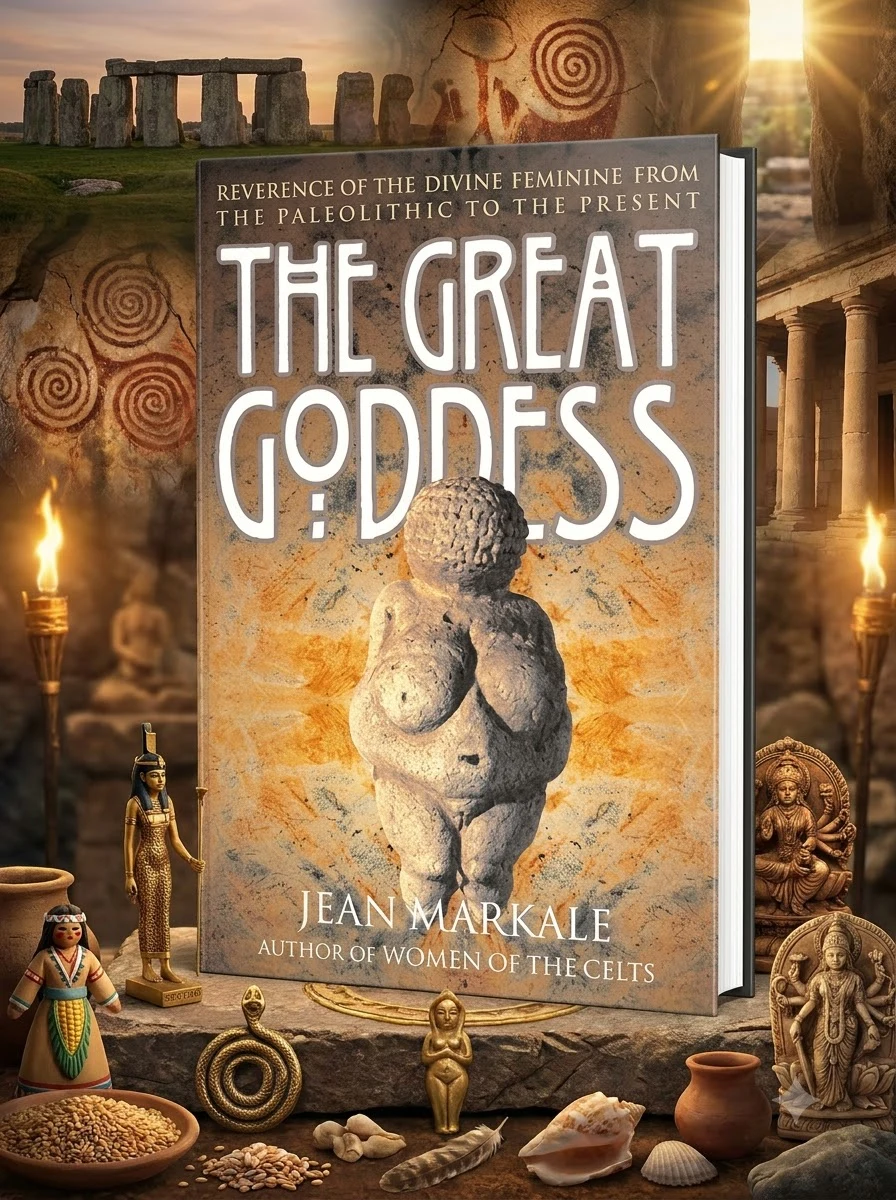
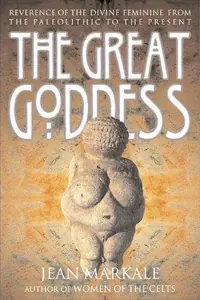
The Great Goddess: Reverence of the Divine Feminine from the Paleolithic to the Present
Markale, Jean

Stock reported in the catalog; fulfillment is confirmed with your request.
Unearth the enduring power of the Divine Feminine across millennia and cultures.
Jean Markale's profound work meticulously traces the pervasive reverence for the Great Goddess, from humanity's earliest stirrings in the Paleolithic era to her veiled presence today. This comprehensive study unveils how this primordial figure, a potent symbol of creation and life, manifested across diverse global civilizations. From ancient sanctuaries to enduring myths, Markale demonstrates that despite deliberate attempts to diminish her influence, the essence of the Divine Feminine has persistently resonated, continuously shaping human spirituality and cultural narratives.
This work resides within the esoteric study of comparative mythology and feminine spirituality, bridging ancient pagan traditions with modern occult philosophy. It serves as a scholarly yet accessible exploration of the Divine Feminine's historical continuity in Western thought.


📝 Description: The Great Goddess: Reverence of the Divine Feminine from the Paleolithic to the Present
💎 Expert review
📖 Why choose it
Why this book is worth reading
Readers deeply interested in the historical roots of feminism and spiritual anthropology will find profound value here. Jean Markale offers a sweeping narrative that connects the Paleolithic past to contemporary culture, revealing how the Divine Feminine has survived despite systemic suppression. This book is ideal for those seeking to understand the enduring power of creation myths and the female archetype in global civilizations. It provides a necessary counter-narrative to patriarchal history, offering clarity on how these ancient reverence patterns still shape our current spiritual landscape. For anyone feeling disconnected from traditional religious structures, this text offers a grounded, historical perspective on the sacred feminine as a constant, resilient force in human consciousness and cultural evolution.
⭐ Reader reviews
Reader rating
Markale presents a compelling, albeit dense, survey of goddess worship across millennia. While the scope is impressive, the academic tone may alienate readers seeking practical ritual guidance or immediate spiritual application. Those looking for quick, actionable advice on modern witchcraft or simple devotional practices will find this text too abstract and historical. It is best suited for scholars or serious enthusiasts who appreciate a rigorous, albeit sometimes dry, examination of mythological patterns. The work succeeds in its intellectual ambition but lacks the emotional accessibility required for casual readers interested only in surface-level esotericism.
❓ Frequently asked questions
📖 Who should read this
If you're drawn to the ancient mysteries of feminine power, a student of comparative religion, or someone seeking to understand the deep roots of goddess worship, this book offers an essential, globally informed perspective. Prepare for an illuminating journey through history and spirit.
🎯 Key themes and symbolism
Global Goddess Manifestations
Markale provides an expansive, worldwide survey of the Great Goddess, showcasing her diverse incarnations as Isis, Demeter, Dana, and countless others. The book highlights specific sites and spiritual traditions from Native American, Egyptian, Indian, Celtic, and Oriental cultures, illustrating the universal human impulse to venerate the feminine principle of creation.
Enduring Feminine Power
This work powerfully argues that the worship of the Divine Feminine, though sometimes driven underground or transformed, has never truly vanished. Markale uncovers the subtle and overt ways her influence has persisted through the ages, demonstrating her tenacious hold on the human psyche as a source of life, wisdom, and primordial power.
Patriarchal Suppression & Resilience
The book meticulously details how emerging patriarchal societies actively sought to sideline the Great Goddess, often reassigning her attributes to male deities or demonizing her sacred symbols. Yet, Markale illuminates the ingenious ways her veneration endured, adapting and resurfacing, a testament to the inherent resilience of feminine spirituality against suppression.
💬 Quotes from the book
“From the fertile crescent to the furthest reaches of the Celtic lands, her visage, though veiled by countless names, remained the undeniable fount of all being.”
“Even as the serpent, her ancient totem of wisdom and renewal, was twisted into a symbol of temptation, her essence continued to nourish the deepest springs of human spirituality.”
📜 Historical context
📚 Glossary
- Great Goddess
- Divine Feminine
- Patriarchal Societies
📔 Questions to reflect on
- Reflect on a goddess figure or mythical feminine entity from your own cultural background or studies. How does her story resonate with the universal themes of creation, destruction, or wisdom as discussed in Markale's work?
- Consider a time in history or a current cultural phenomenon where the 'Divine Feminine' seems to be re-emerging or gaining renewed appreciation. What factors do you think contribute to this resurgence?
- Markale argues that feminine worship has endured despite suppression. In what subtle or overt ways do you perceive the 'Great Goddess' archetype still influencing modern thought, art, or social movements today?
✍️ More books by this author Markale, Jean
All books by this author →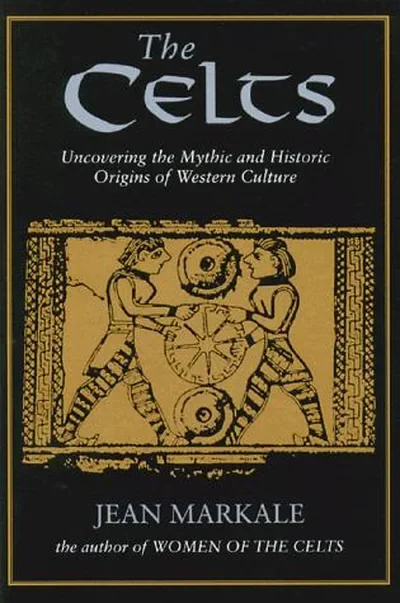





🏛 Books from this publisher Inner Traditions International
All books from this publisher →




You might also like
See more →