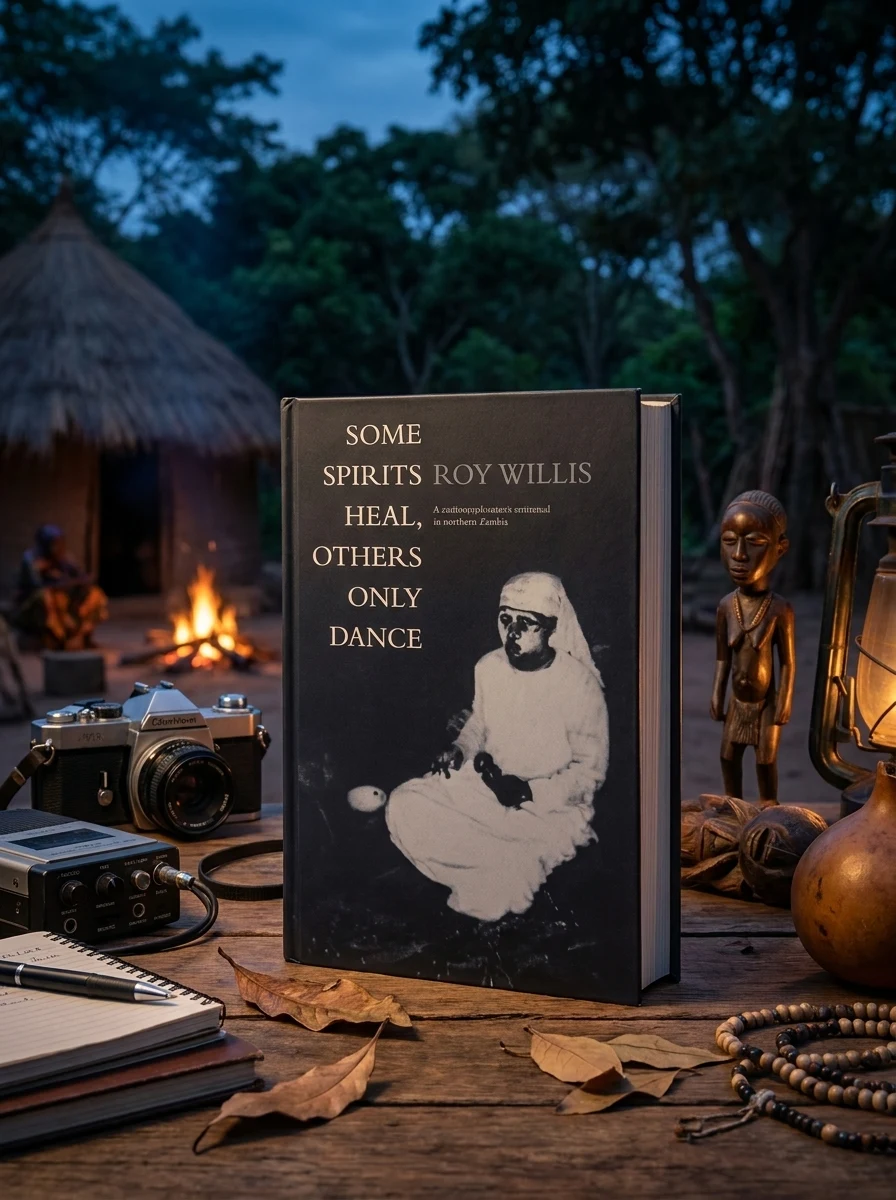

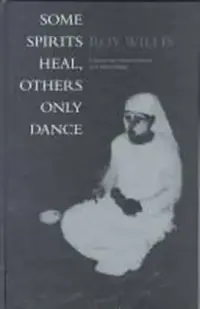
Some Spirits Heal, Others Only Dance: A Journey Into Human Selfhood in an African Village
Willis, Roy 89
89
 Editorial score
How we rate
Editorial score
How we rate
Stock reported in the catalog; fulfillment is confirmed with your request.
A shamanic anthropologist dives into Zambian spirit worlds to map the shifting contours of the human soul.
Roy Willis, a veteran anthropologist and neo-shaman, immerses himself in a remote Zambian village to explore the boundaries of selfhood. Through five months of intense participation in ecstatic rituals, spirit healing, and exorcism, he collaborates with local experts to decode the nature of consciousness. The narrative chronicles their terrifying yet profound encounters with both benevolent and malevolent spiritual forces. Willis reveals that these African healers are not merely practitioners of tradition, but pioneering explorers of the mind. Their insights into fluid identity resonate deeply with our modern understanding of fragmented selves in an interconnected digital age, bridging ancient mysticism with contemporary psychological theory.
This work sits at the intersection of shamanic anthropology and contemporary psychological theory, bridging ancient Zambian mysticism with modern understandings of consciousness. It challenges traditional ethnographic boundaries by presenting local healers as pioneering explorers of the mind rather than mere subjects of study.


📝 Description: Some Spirits Heal, Others Only Dance: A Journey Into Human Selfhood in an African Village
💎 Expert review
📖 Why choose it
Why this book is worth reading
Readers fascinated by the fluid nature of identity and the deeper mechanics of consciousness will find profound resonance in this text. Willis offers a unique lens through which to view the fragmented self, connecting ancient Zambian spirit healing with our digital age's psychological landscape. It is ideal for those seeking to understand how benevolent and malevolent forces shape human selfhood. The narrative provides a terrifying yet illuminating look at ecstatic rituals, offering insights that transcend cultural boundaries. By framing healers as explorers of the mind, it invites readers to reconsider their own perceptions of reality and the soul's shifting contours in an interconnected world.
⭐ Reader reviews
Reader rating
This edition finally does the material justice. Plenty of passages worth underlining; my copy is already full of margin notes. Would buy from this store again.
Willis presents a compelling, albeit dense, exploration of Zambian spirit worlds that may alienate casual readers seeking light entertainment. The text demands engagement with complex anthropological concepts and intense descriptions of exorcism and ecstatic rituals. It is not suited for those uncomfortable with the concept of malevolent spiritual forces or those who prefer detached, observational ethnography over immersive participation. However, for scholars and enthusiasts of neo-shamanism, it offers a vital bridge between ancient mysticism and contemporary psychological theory. The candid portrayal of fluid identity challenges conventional Western notions of selfhood, making it a significant, if demanding, addition to the spiritualism canon.
❓ Frequently asked questions
📖 Who should read this
Readers fascinated by the intersection of anthropology, psychology, and spiritualism. Ideal for those interested in non-Western healing practices, the construction of self, and the visceral reality of ritual magic.
🎯 Key themes and symbolism
Fluid Identity
Shamanic Healing
Anthropological Immersion
💬 Quotes from the book
“The African healers emerge as pioneering explorers of consciousness.”
“Their experience is surprisingly congruent with our present sense of multiple and shifting selfhoods.”
📜 Historical context
📚 Glossary
- Neo-shamanism
- Ecstatic Union
- Exorcism
📔 Questions to reflect on
- Where do you perceive the boundaries of your own self to be, and how do they shift in different social contexts?
- What role does ritual play in your own life for managing emotional or spiritual states?
- How might ancient concepts of spirit possession inform our understanding of modern dissociation or identity fluidity?
✍️ More books by this author Willis, Roy
All books by this author →
🏛 Books from this publisher Routledge
All books from this publisher →
 89
89

You might also like
See more →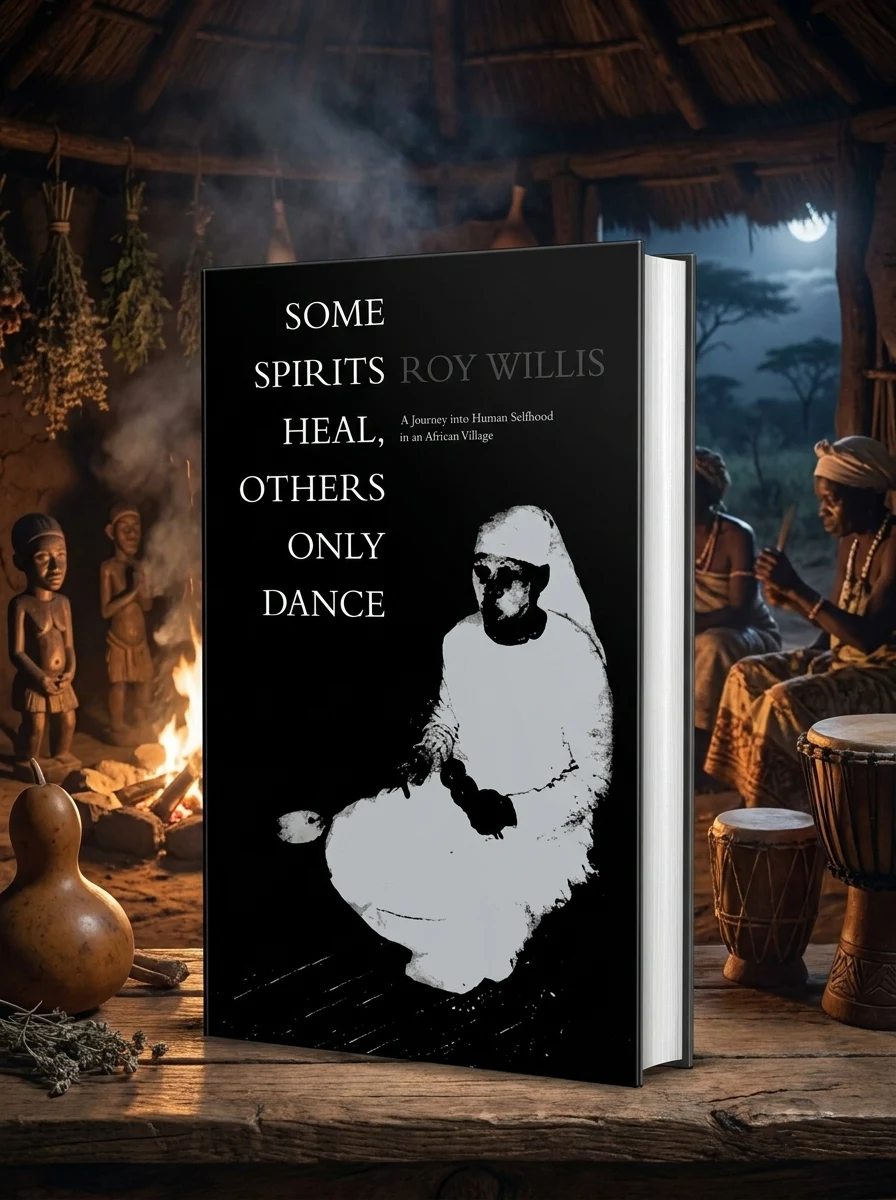
 91
91
 89
89