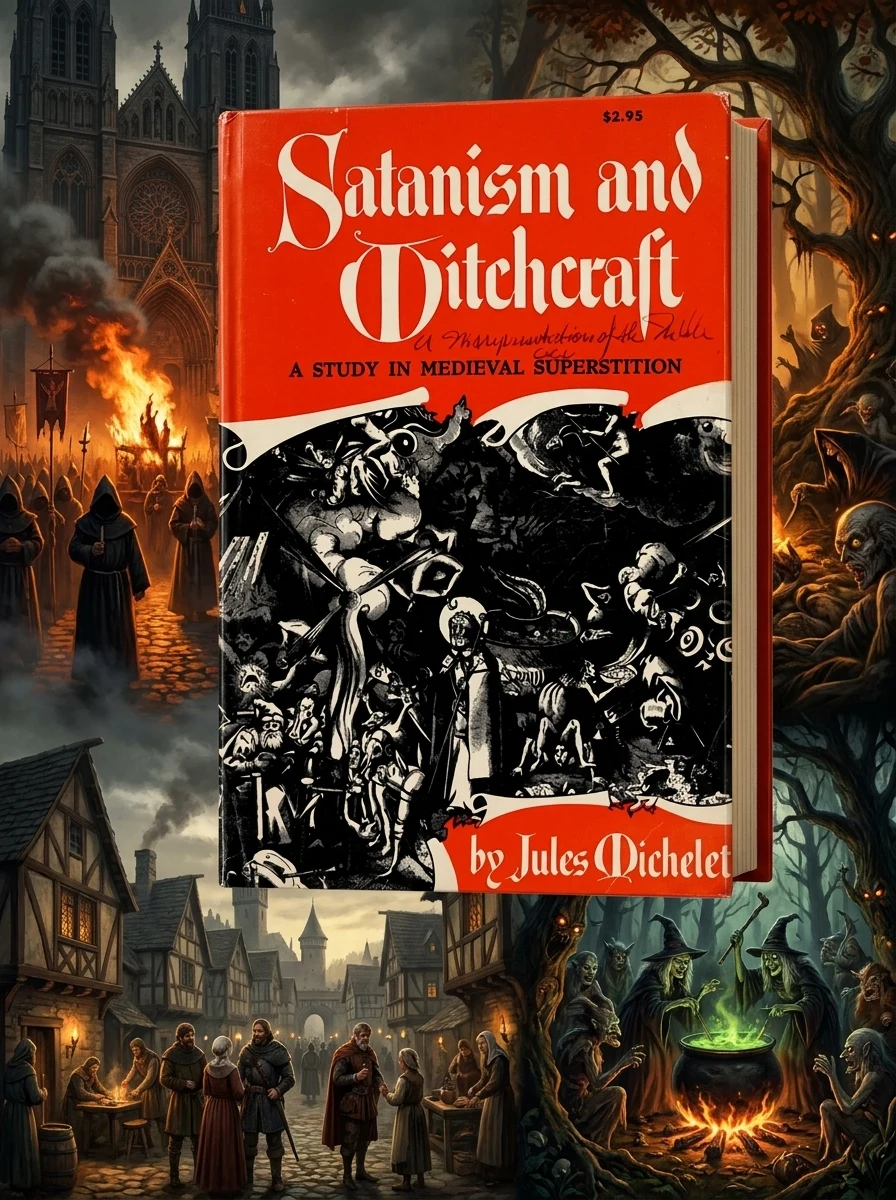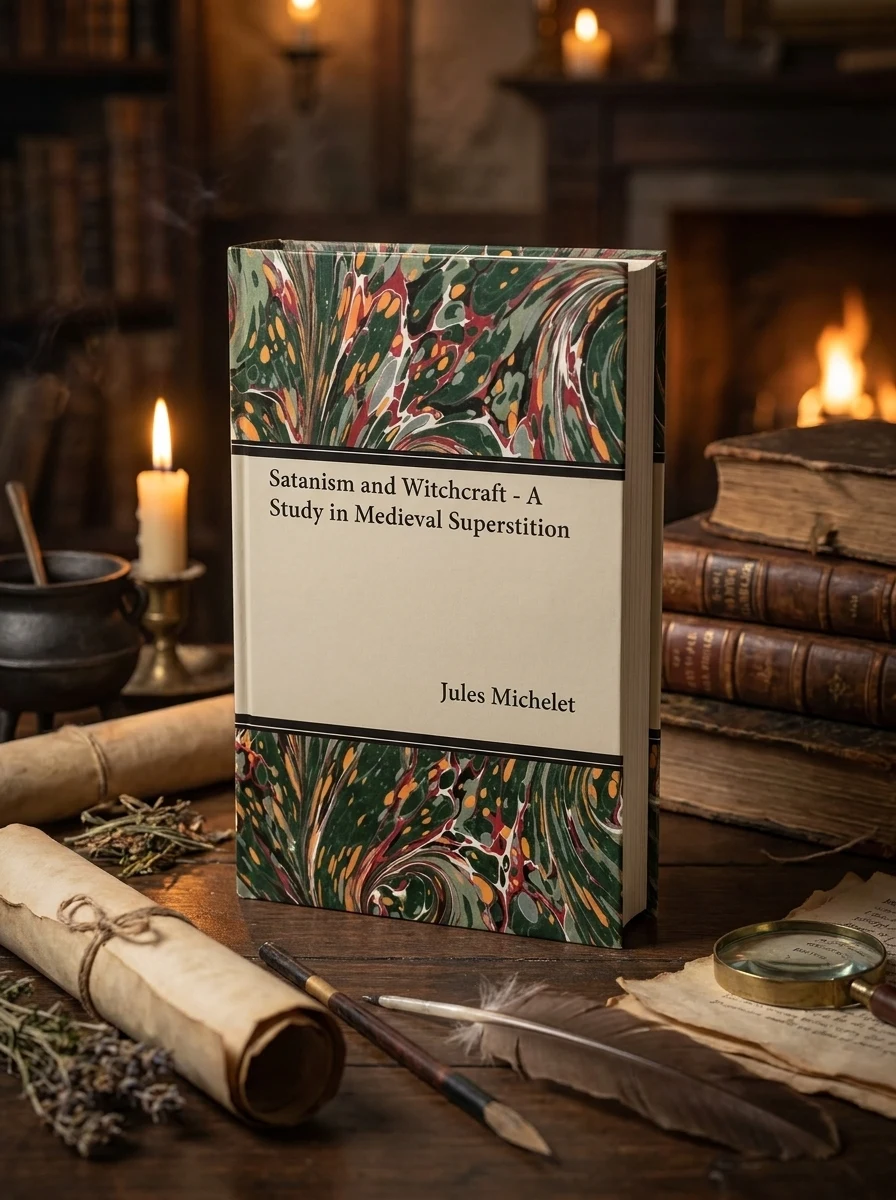
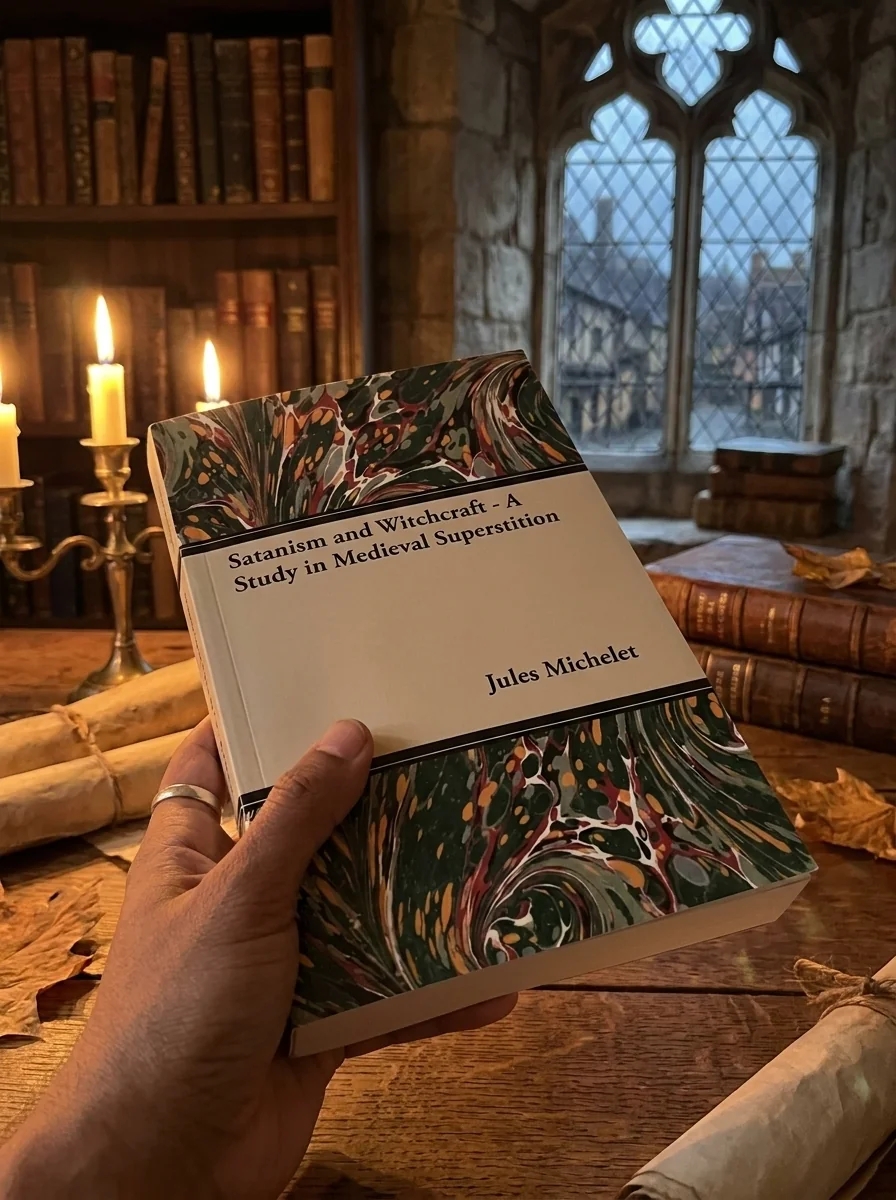
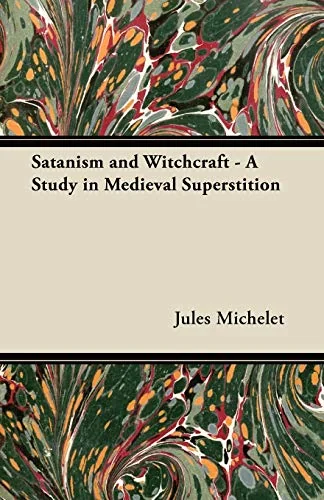
Satanism and Witchcraft - A Study in Medieval Superstition
✍️ Michelet, JulesJules Michelet's seminal work delves into the historical tapestry of medieval Europe, unraveling the complex origins and evolution of witchcraft beliefs. Far from a mere chronicle of superstition, this insightful volume examines how societal pressures, religious dogma, and the plight of the marginalized coalesced to form the archetype of the witch. Michelet presents a compelling, albeit controversial, narrative, portraying witchcraft as a form of resistance against oppressive powers. It offers a critical exploration of the historical persecution, inviting readers to reconsider the true forces at play behind centuries of fear and fascination.


📝 Description: Satanism and Witchcraft - A Study in Medieval Superstition
💎 Expert review
📖 Why choose it
Why this book is worth reading
Readers fascinated by the sociological roots of occult beliefs and the historical persecution of marginalized groups will find profound value in this text. It is ideal for scholars and enthusiasts who wish to look beyond the sensationalism of witchcraft history to understand the underlying societal pressures and religious dogmas that fueled these fears. By presenting witchcraft as a form of resistance, Michelet offers a nuanced perspective that challenges traditional narratives, making it essential for those seeking to comprehend the complex interplay between power, fear, and spirituality in medieval Europe. This book rewards careful reading with deep insights into human nature and historical injustice.
⭐ Reader reviews
Reader rating
Michelet’s work is a dense, intellectual exploration rather than an accessible guide to modern Wiccan practice. It does not suit readers seeking practical rituals, simple horror stories, or quick entertainment. The narrative is heavily analytical, requiring patience for its academic tone and controversial arguments regarding the 'witch' as a symbol of resistance. While intellectually stimulating for those interested in medieval sociology and religious history, it may disappoint casual occultists looking for esoteric techniques or straightforward historical chronicles devoid of theoretical debate. It is best approached as a serious study of superstition rather than an invitation to magical practice.
❓ Frequently asked questions
📖 Who should read this
If you are drawn to the shadowy origins of magical traditions, the history of persecution, or the intersection of societal power and spiritual belief, this foundational text is essential. It offers a challenging perspective for anyone seeking to understand the historical roots of modern occultism and feminist spirituality.
🎯 Key themes and symbolism
Genesis of the Witch
Michelet meticulously traces the roots of witchcraft accusations back to the societal and religious upheavals of the Middle Ages. He explores how ancient pagan practices, folk traditions, and later, heretical movements, were gradually conflated and demonized, culminating in the systematized persecution of those deemed witches by the dominant powers.
Resistance from the Shadows
This work powerfully argues that many accused witches were not merely deluded, but often represented the oppressed and disenfranchised—peasants, women, and outcasts—who sought solace or power outside the established patriarchal structures. Michelet frames witchcraft as a defiant, albeit often desperate, response to profound social injustice and ecclesiastical control.
Persecution and Authority
Michelet critically examines the role of the Church and state in constructing and enforcing the witchcraft narrative. He reveals how accusations and trials served as potent tools for social control, suppressing dissent and consolidating power. The book exposes the mechanisms by which fear was weaponized, shaping public perception and justifying brutal repression.
📜 Historical context
📚 Glossary
- Satanism
- Superstition
- Witch
📔 Questions to reflect on
- How does Michelet's portrayal of the witch as a rebel resonate with or challenge your pre-existing understanding of witchcraft?
- Considering the historical context, what parallels can you draw between medieval accusations of witchcraft and modern forms of social scapegoating or persecution?
- If witchcraft was a 'resistance from the shadows,' what modern forms of spiritual or social resistance do you observe today that challenge dominant paradigms?