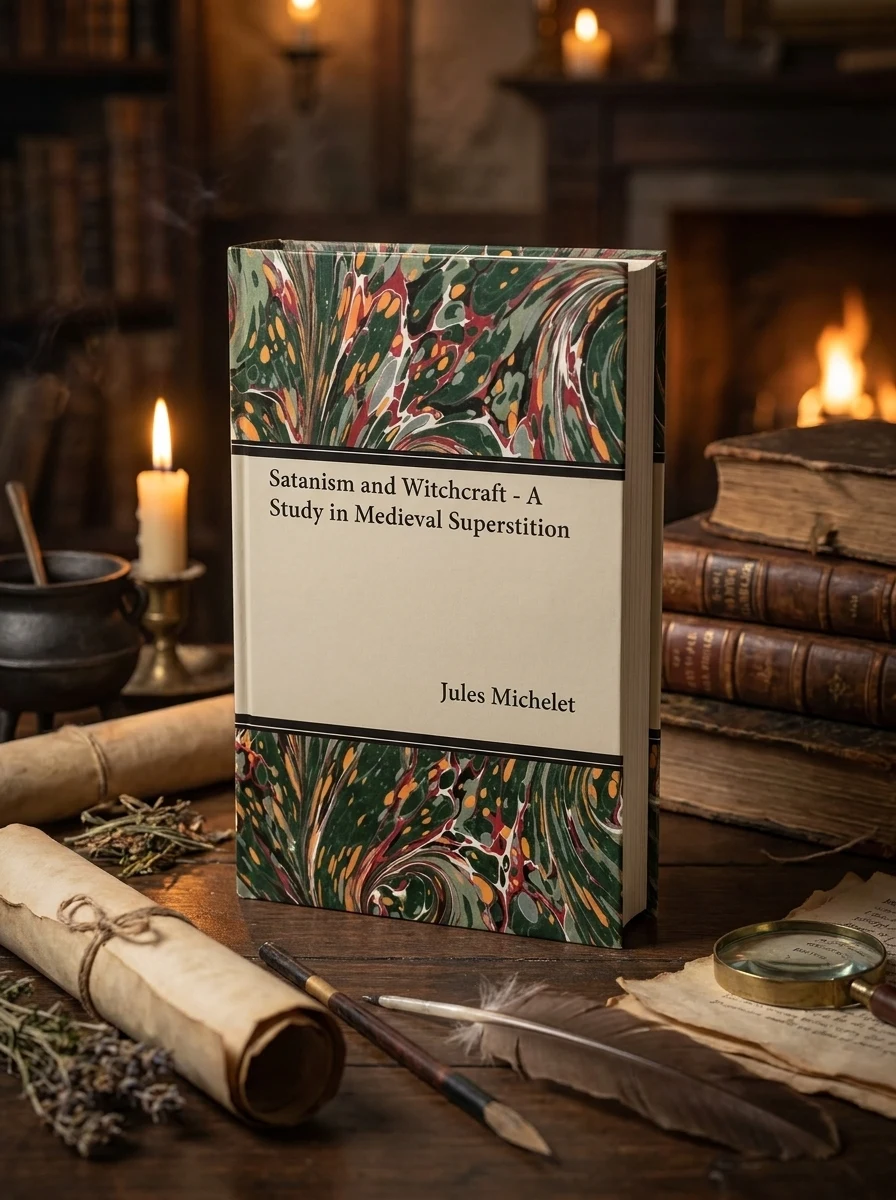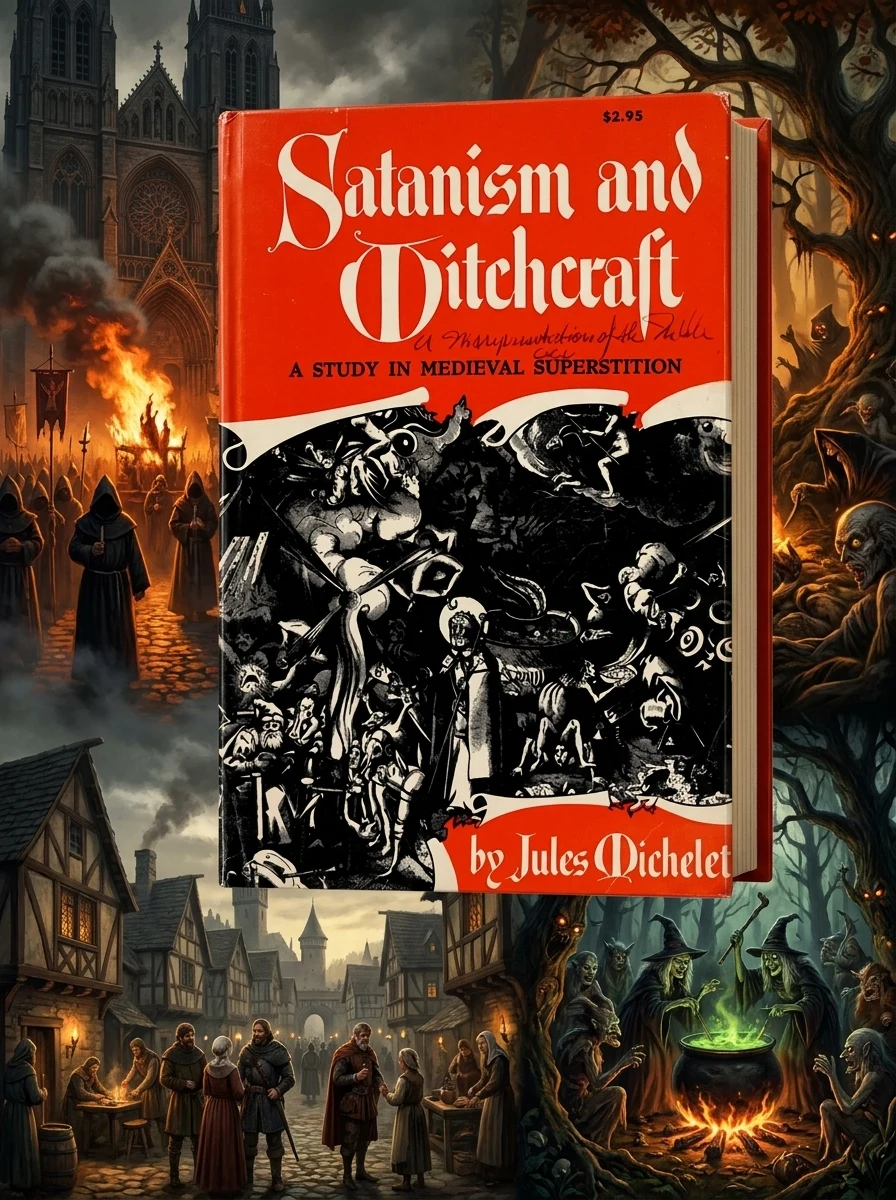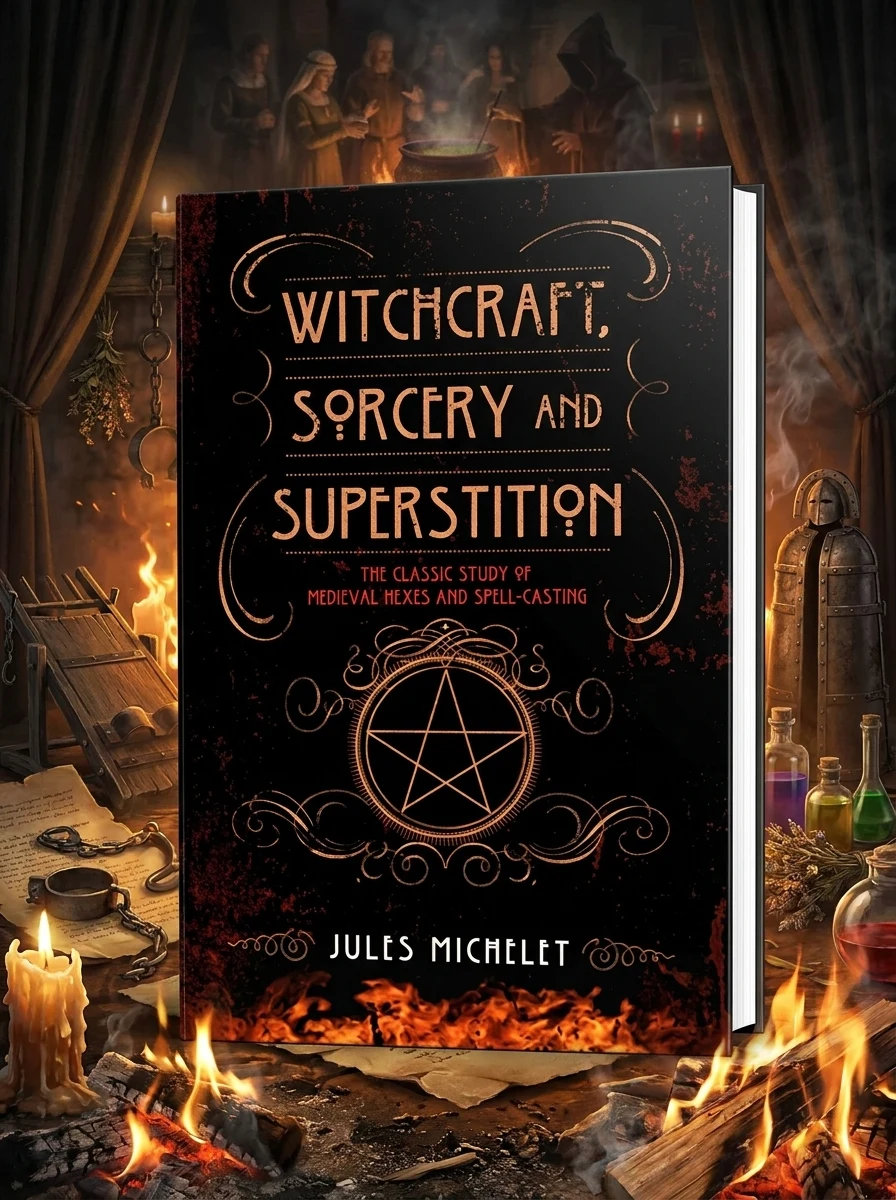
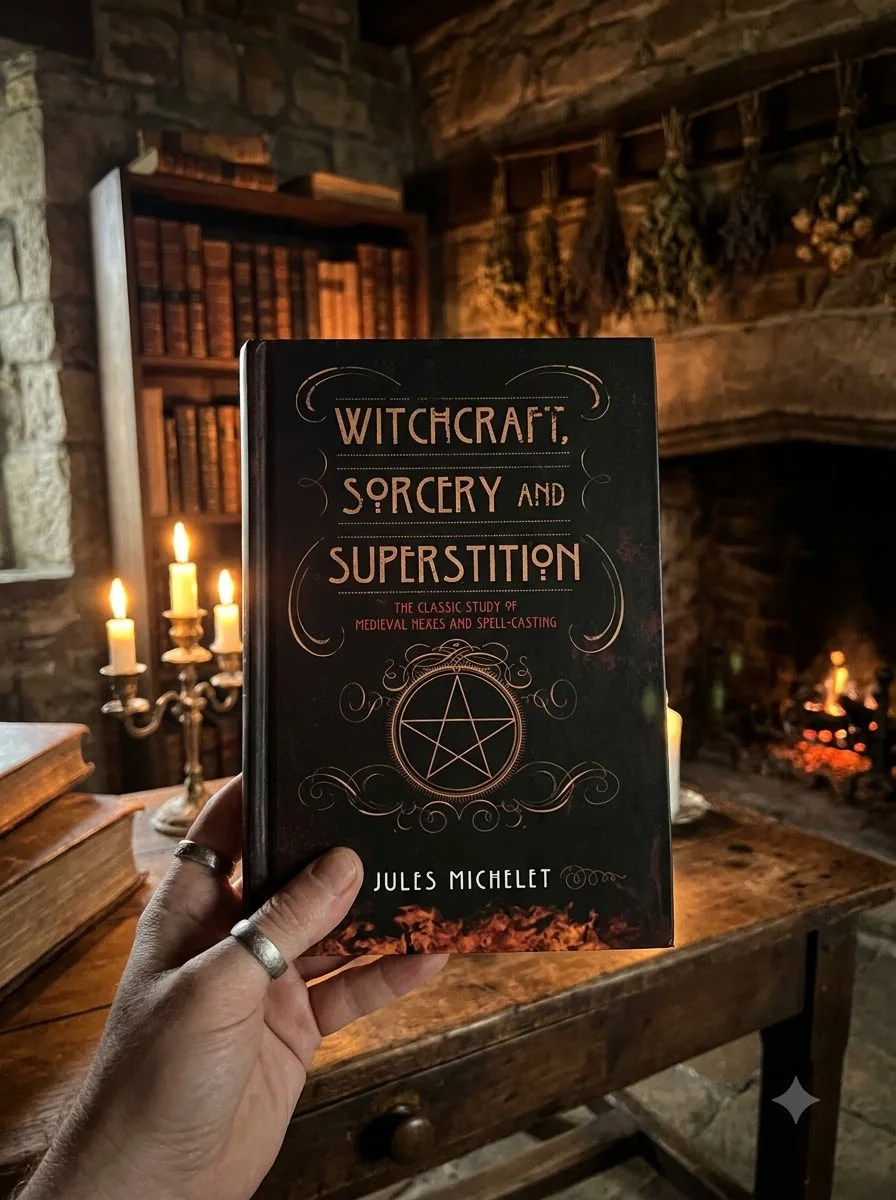
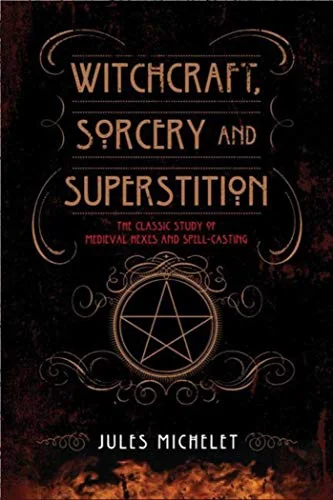
Witchcraft, Sorcery and Superstition: The Classic Study of Medieval Hexes and Spell-Casting
✍️ Michelet, JulesJules Michelet's seminal work offers a profound exploration of medieval witchcraft, delving into the societal forces that shaped its perception and persecution. From the 4th century onwards, he meticulously chronicles the evolution of hexes, rituals, and the terrifying witch-hunts that swept across Europe. This compelling narrative vividly portrays a paradoxical era of extreme sensuality and unimaginable suffering, where accusations could seal a woman's fate. Michelet expertly blends historical rigor with a gripping account, immersing readers in a world dominated by superstition, fear, and the dark undercurrents of the paranormal. It remains an essential examination of humanity's shadows.


📝 Description: Witchcraft, Sorcery and Superstition: The Classic Study of Medieval Hexes and Spell-Casting
📑 What's inside
- Introduction
- Part 1. Death of the Gods
- Christianity believed the world to be on the point of death
- The world of demons
- The Bride of Corinth
- 2. What Drove the Middle Ages to Despair
- The People makes itself Legends
- But originality is prohibited
- The People defends its lands
- But is made a serf of
- 3. The Little Demon of the Hearth and Home
- Promiscuity of the primitive villa
- An independent hearth and home
- The serf's wife
- True to the old gods
- Robin Goodfellow
- 4. Temptations
- The Serf invokes the Spirit of Hidden Treasures
- Feudal raids and cruel feudal customs
- The goodwife's Brownie turns into a demon after all
- 5. Diabolical Possession
- Gold gains the mastery in 1300
- The peasant wife in alliance with the Demon of gold
- Foul terrors of the Middle Ages
- The Lady of the Village
- Hatred and rivalry of the Lady of the Castle
- 6. The Pact with Satan
- The serf's wife gives herself to the Devil
- The Sorceress and the Blasted Hearth
- 7. King of the Dead
- She calls back the spirits of loved ones dead
- Conception of Satan softened and mollified
- 8. Prince of Nature
- Rigours of the Mediaeval Winter relax
- The Sorceress submits to Oriental influences
- Conceives Nature
- 9. Satan the Healer
- Diseases of the Middle Ages
- The Sorceress utilizes poisons for their cure
- The Solanacea (Herbs of Consolation)
- Women for the first time cared for medically
- 10. Charms and Love Potions
- Blue Beard and Griselda
- The Castle a suppliant to the Sorceress
- Her cunning ways
- 11. Communion op Revolt-Witches' Sabbaths-The Black Mass
- The old semi-Pagan Sabasia
- The Black Mass, and its four Acts: Act I. The Introit, the Kiss of Devotion, the Banquet; Act II. The Offertory, Woman at once Altar and Sacrifice
- 12. Black Mass Continued-Love and Death-Satan Disappears
- Act III. Incestuous love-making; Act IV. Death of Satan; the Sorceress flies to rejoin her lover in Hell
- Part 13. The Sorceress in Her Decadence-Satan Multiplied and Vulgarised
- Sorceresses and Sorcerers employed by the Great
- The Chatelaine a Werewolf
- Last of the love-potions
- 14. Persecutions
- The Malleus Maleficarum
- Satan master of the World
- 15. A Hundred Years' Toleration in France
- Spain begins when France leaves off-A reaction; the Lawyers show themselves as good at burning as the Priests
- 16. The Basque Witches, 1609
Showing the first 60 entries.
💎 Expert review
📖 Why choose it
Why this book is worth reading
Readers fascinated by the dark undercurrents of European history and the psychological mechanics of mass hysteria will find this text indispensable. It offers a profound exploration of how fear and power intertwined to create terrifying consequences for accused individuals, particularly women. By blending historical rigor with a gripping narrative, Michelet illuminates a paradoxical era defined by extreme sensuality and unimaginable suffering. This book is ideal for those seeking to understand the evolution of hexes, rituals, and witch-hunts from the 4th century onward. It provides essential context for humanity's shadows, making it a vital resource for historians, sociologists, and enthusiasts of occult studies who wish to grasp the profound societal forces behind these enduring myths.
⭐ Reader reviews
Reader rating
Michelet delivers a compelling narrative that vividly portrays the chilling world of medieval witchcraft, where accusations could seal a woman's fate. The work is essential for its rigorous examination of societal forces shaping persecution. However, readers seeking light entertainment or straightforward folklore collections should look elsewhere; this is a dense historical analysis rather than a casual read. It may not suit those uninterested in the grim realities of medieval suffering or those preferring modern speculative fiction over historical scrutiny. The text demands patience and an appreciation for scholarly depth regarding superstition and fear.
❓ Frequently asked questions
📖 Who should read this
If you're drawn to the shadowy corners of history, fascinated by the origins of magical practices, or seek to understand the social anxieties that birthed the witch trials, this book is for you. Prepare to be immersed in a vivid, unsettling portrait of medieval Europe.
🎯 Key themes and symbolism
Persecution and Paranoia
Michelet unearths the horrifying mechanisms of medieval witch-hunts, detailing how accusations, often baseless, led to brutal tortures and executions. He exposes a society gripped by collective fear, where mere beauty or an independent spirit could condemn an individual, particularly women, to unimaginable suffering under the guise of combating dark forces.
The Dark Arts Explored
This study meticulously chronicles the historical evolution of sorcery, hexes, and various magical practices from the 4th century onward. Michelet delves into the purported sacraments and rituals, from Black Masses to more obscure rites, offering a comprehensive, albeit often sensationalized, look at the perceived world of spell-casting and its societal impact during the medieval period.
Societal Extremes
The book paints a stark picture of medieval European society, highlighting its profound contradictions. Michelet describes an age simultaneously marked by extravagant indulgence and profound misery, where immense wealth coexisted with abject poverty and brutal oppression. He illustrates how these stark contrasts fueled the anxieties and superstitions that underpinned the era's belief in witchcraft.
📜 Historical context
📚 Glossary
- Hex
- Black Mass
- Superstition
📔 Questions to reflect on
- How do collective fears and societal anxieties, as depicted in the book, manifest in contemporary society, even without overt 'witch hunts'?
- Michelet details an era of extreme pleasure and extreme suffering. How do these stark contrasts influence a society's belief systems and willingness to embrace or condemn the 'unseen'?
- Considering the historical origins of certain rituals and superstitions, what enduring echoes of these beliefs can still be observed in modern culture or folklore?