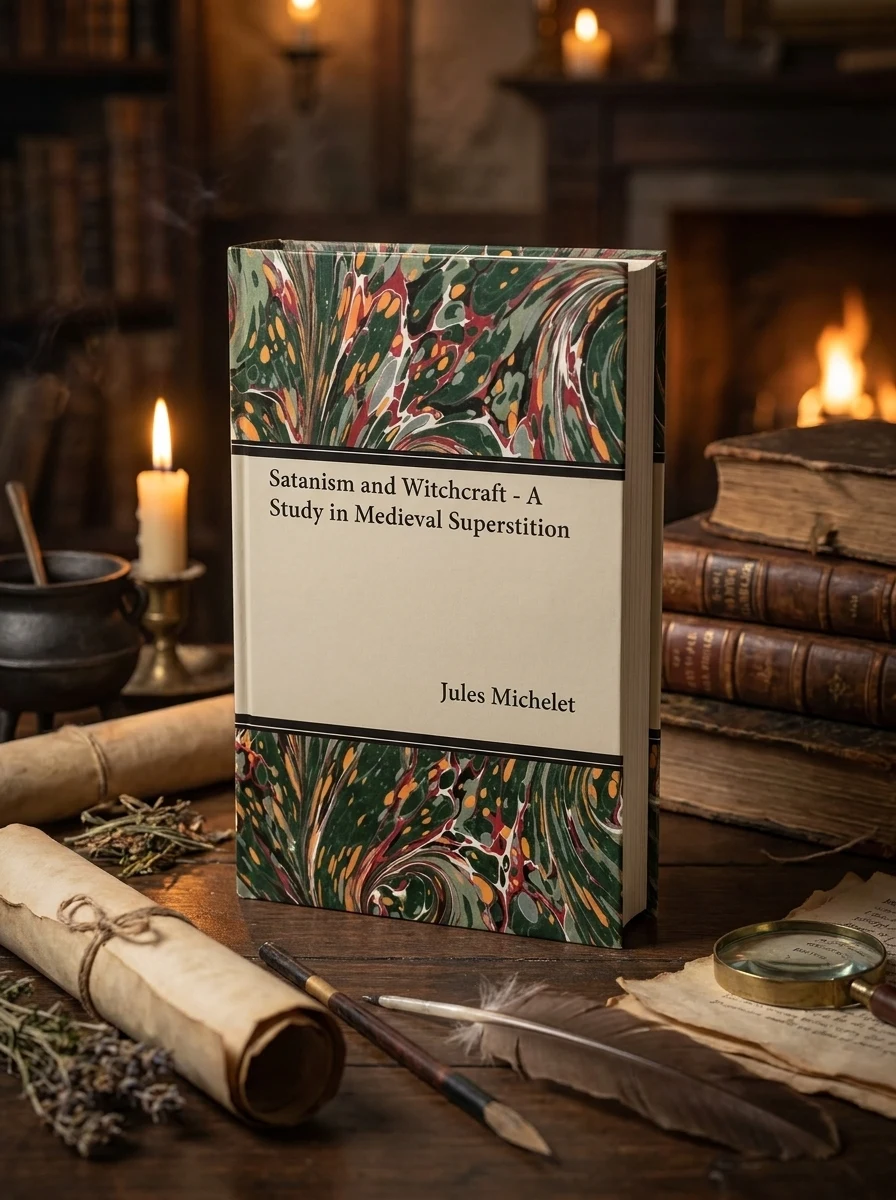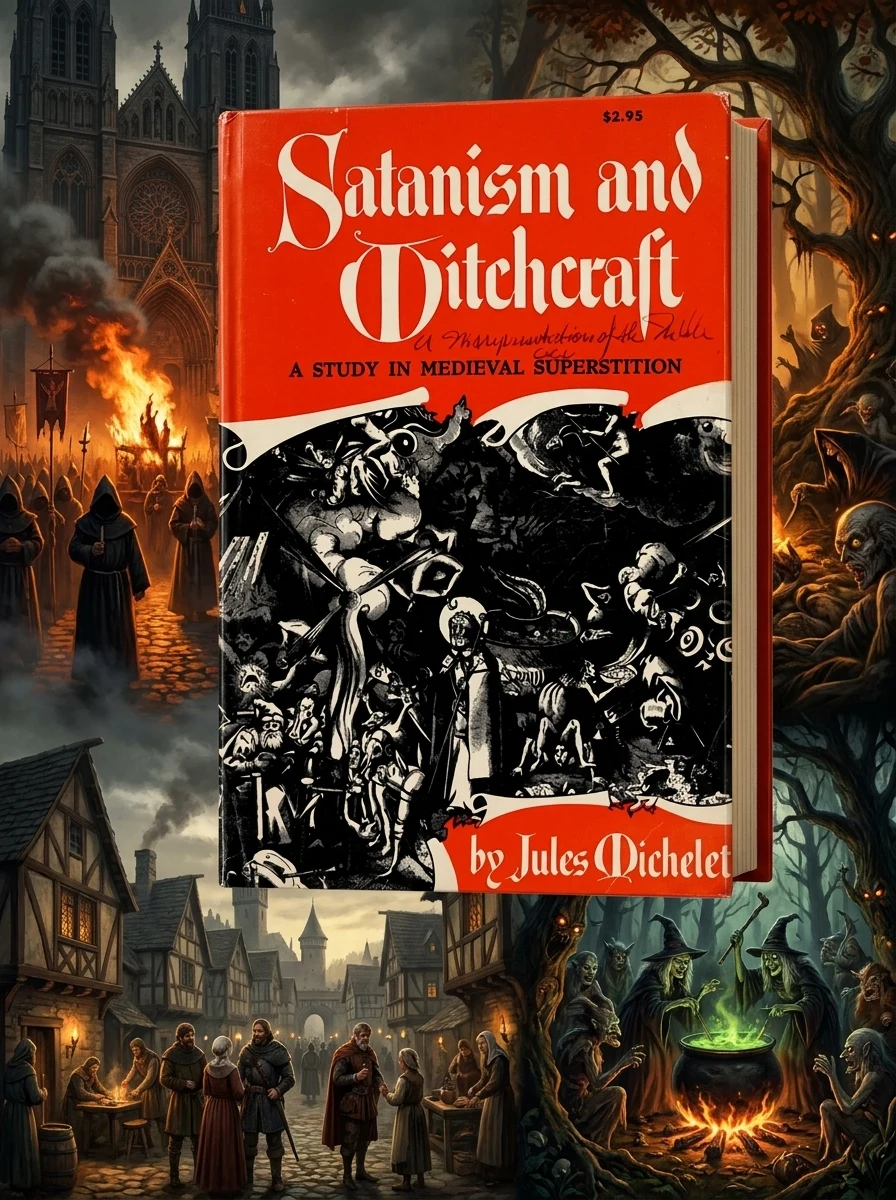
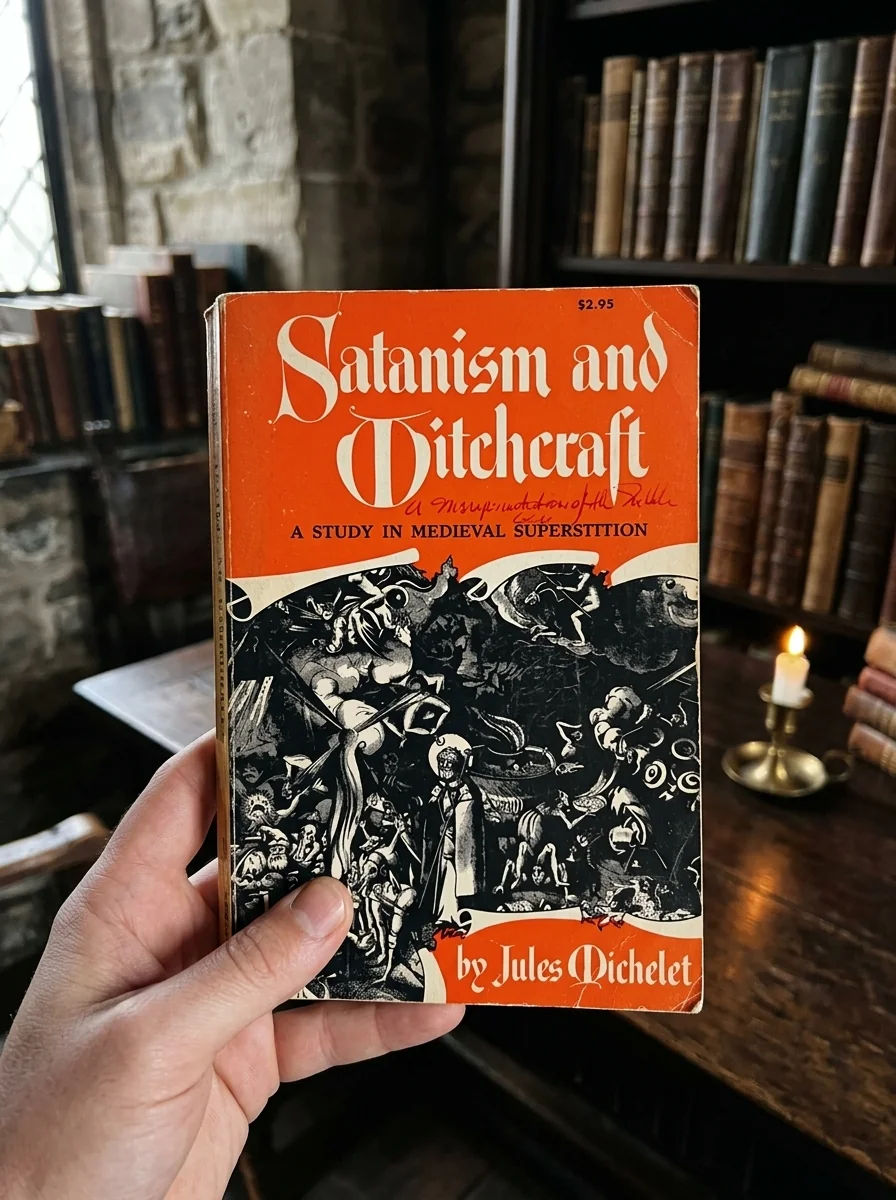
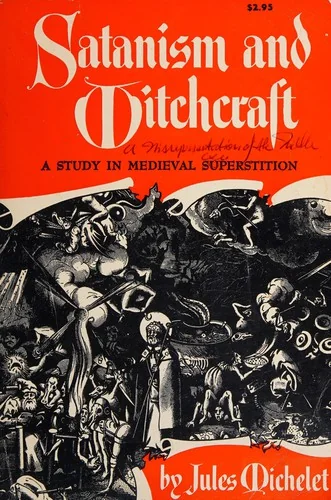
Satanism and Witchcraft: The Classic Study of Medieval Superstition
✍️ Michelet, JulesJules Michelet's classic sociological study examines medieval superstition, witch hunts, and religious intolerance.
This paperback edition brings Jules Michelet's historical research on medieval superstition back to general readers. The volume details the brutal social realities of the Middle Ages, focusing on the Inquisition, public persecutions, and the atmosphere of fear surrounding witchcraft. Michelet presents the stark contrast between feudal wealth and popular misery while documenting the ritual practices, Satanic panic, and summary tortures that characterized the era. It offers a direct look into the historical dark age of European superstition.
Set in medieval Europe, this work reflects the centuries of intense religious intolerance, the Inquisition, and feudal oppression. It documents an age where belief in Satan, wizards, and hobgoblins shaped everyday life alongside extreme social inequality and violent judicial tortures.


📝 Description: Satanism and Witchcraft: The Classic Study of Medieval Superstition
💎 Expert review
📖 Why choose it
Why this book is worth reading
Readers fascinated by the psychological underpinnings of historical hysteria and the evolution of religious dogma will find this work profoundly illuminating. It serves as an essential resource for those seeking to understand how medieval society navigated the blurred lines between reality and superstition. By vividly depicting the horrors of the Inquisition and the brutal dynamics of witch hunts, the book offers a stark look at human despair and intolerance. Those interested in the sociological mechanisms that allowed accusations to seal grim fates will gain valuable insight into this dark chapter. It is particularly rewarding for readers who appreciate dramatic historical recreations that expose the interplay between feudal power structures and spiritual fervor.
⭐ Reader reviews
Reader rating
This volume delivers a dramatic recreation of a period steeped in religious fervor, making it a compelling read for enthusiasts of medieval history. However, it does not suit readers seeking dry, statistical data or those uncomfortable with vivid descriptions of brutality and intolerance. The narrative focuses heavily on the chilling rituals and societal despair rather than offering modern scholarly detachment. While the portrayal of feudal lords and struggling serfs is masterful, those looking for a balanced, neutral academic critique may find the tone too intense. It is best approached as a dramatic study of superstition rather than a dry historical record.
❓ Frequently asked questions
📖 Who should read this
If you are drawn to the dramatic interplay of history, societal fear, and the dark undercurrents of human belief, this book is essential. It's for those who wish to understand the psychological and social forces that fueled one of history's most terrifying periods of persecution.
🎯 Key themes and symbolism
Medieval Social Fabric
Michelet dissects the complex feudal system, illustrating the vast chasm between the powerful barons and the subjugated serfs. He shows how this societal structure, coupled with pervasive fear of the unknown, created fertile ground for the rise of superstition and the persecution of perceived deviants.
The Witch as Scapegoat
This book powerfully examines how the figure of the witch, wizard, or hobgoblin became a focal point for societal anxieties and religious fanaticism. It reveals the tragic ease with which individuals, particularly women, could be accused, tortured, and condemned based on flimsy pretexts and brutal "tests."
Contrasts of Human Experience
Michelet highlights the extreme paradoxes of the medieval era: a time marked by "unbridled pleasure and sensuality" alongside "squalor beyond endurance." This stark juxtaposition underscores the deep societal divides and the complex interplay of human desires, repression, and suffering.
📜 Historical context
📚 Glossary
- Inquisition
- Auto-da-fé
- Black Mass
📔 Questions to reflect on
- How does societal fear, combined with religious authority, create conditions ripe for widespread persecution?
- Reflect on the power dynamics between accuser and accused in a time where superstition often outweighed reason.
- In what ways do the "unbridled pleasure and sensuality" versus "squalor beyond endurance" of the medieval era mirror or contrast with tensions in contemporary society?