
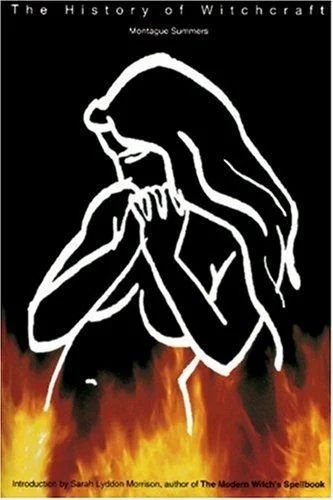
The History of Witchcraft and Demonology
✍️ Summers, Montague;, Morrow and 3 moreMontague Summers's seminal work offers an unapologetic dive into the world of witchcraft and demonology, not as a historical artifact, but as a living, malevolent force. Unlike contemporary scholars, this Roman Catholic priest held an absolute conviction in the literal reality of Satanism, vigorously defending every historical action taken by the Church to eradicate what he perceived as genuine diabolical threats. From the nature of the witch and familiar spirits to the Sabbat and demonic possession, Summers presents a zealous, 'medieval' perspective that remains a cornerstone for understanding a particular kind of fervent belief.


📝 Description: The History of Witchcraft and Demonology
💎 Expert review
📖 Why choose it
Why this book is worth reading
This volume is essential for readers seeking to understand the intense, unapologetic mindset of a Roman Catholic priest who viewed witchcraft not as folklore but as a genuine, malevolent force. It appeals to those interested in the intersection of religious zeal and historical persecution, offering a rare glimpse into the fervent belief systems that once drove the eradication of suspected witches. Scholars of esoteric history will find value in its defense of Church actions against what Summers perceived as actual demonic threats. By presenting a 'medieval' viewpoint with absolute conviction, it provides necessary context for understanding how such unwavering beliefs shaped historical narratives and societal responses to the occult, making it a crucial resource for grasping the psychological and theological underpinnings of anti-witchcraft campaigns.
⭐ Reader reviews
Reader rating
Summers delivers a vigorous defense of the Church’s historical actions against witchcraft, presenting Satanism as a literal, living danger rather than a metaphor. While intellectually stimulating for those studying fervent religious history, this book is decidedly not for modern skeptics or those seeking academic detachment. Readers expecting an objective, secular analysis of folklore will be alienated by its unyielding theological stance and refusal to treat witchcraft as mere superstition. It is best suited for those willing to engage with a zealous, medieval perspective that prioritizes spiritual warfare over historical nuance. Those uncomfortable with absolute convictions regarding demonic possession or the Sabbat should approach this text with caution, as it offers no apology for its intense, literalist interpretation of evil and its eradication.
❓ Frequently asked questions
📖 Who should read this
Essential for understanding the mindset of a true believer in historical witchcraft, not a modern analysis. If you're fascinated by fervent conviction or the historical defense of religious persecution, this offers an unparalleled, controversial perspective.
🎯 Key themes and symbolism
Unwavering Belief in Witchcraft
Summers approaches his subject with an absolute conviction in the literal truth of witchcraft and active demonic influence. This isn't a historical study of belief systems, but a fervent exposition from one who genuinely saw Satan's hand in the world, shaping his entire narrative with unshakeable certainty.
Justification of Persecution
Controversially, Summers unequivocally defends the historical actions of the Church against alleged witches and heretics. He views even the most extreme measures of the past as righteous and necessary responses to a very real, existential threat from diabolical forces, rather than as regrettable excesses of religious zeal.
Satanism's Malevolence
With tremendous gusto, Summers vividly portrays Satanism not as a fringe belief, but as a powerful, nefarious system actively working evil in the world. He describes its practitioners and their dark rituals with a zealous conviction, emphasizing the pervasive and destructive nature of their pacts with infernal powers.
📜 Historical context
📚 Glossary
- Witchcraft
- Demonology
- Sabbat
📔 Questions to reflect on
- How does an author's personal conviction shape their interpretation of historical events, particularly when dealing with supernatural phenomena like witchcraft?
- Consider the implications of 'absolute belief' in something like witchcraft for both the believer and those who are the subject of that belief throughout history.
- If one genuinely believed in a literal, active Satanic threat, what actions might seem justified to combat it, and how does this align with modern ethical perspectives?