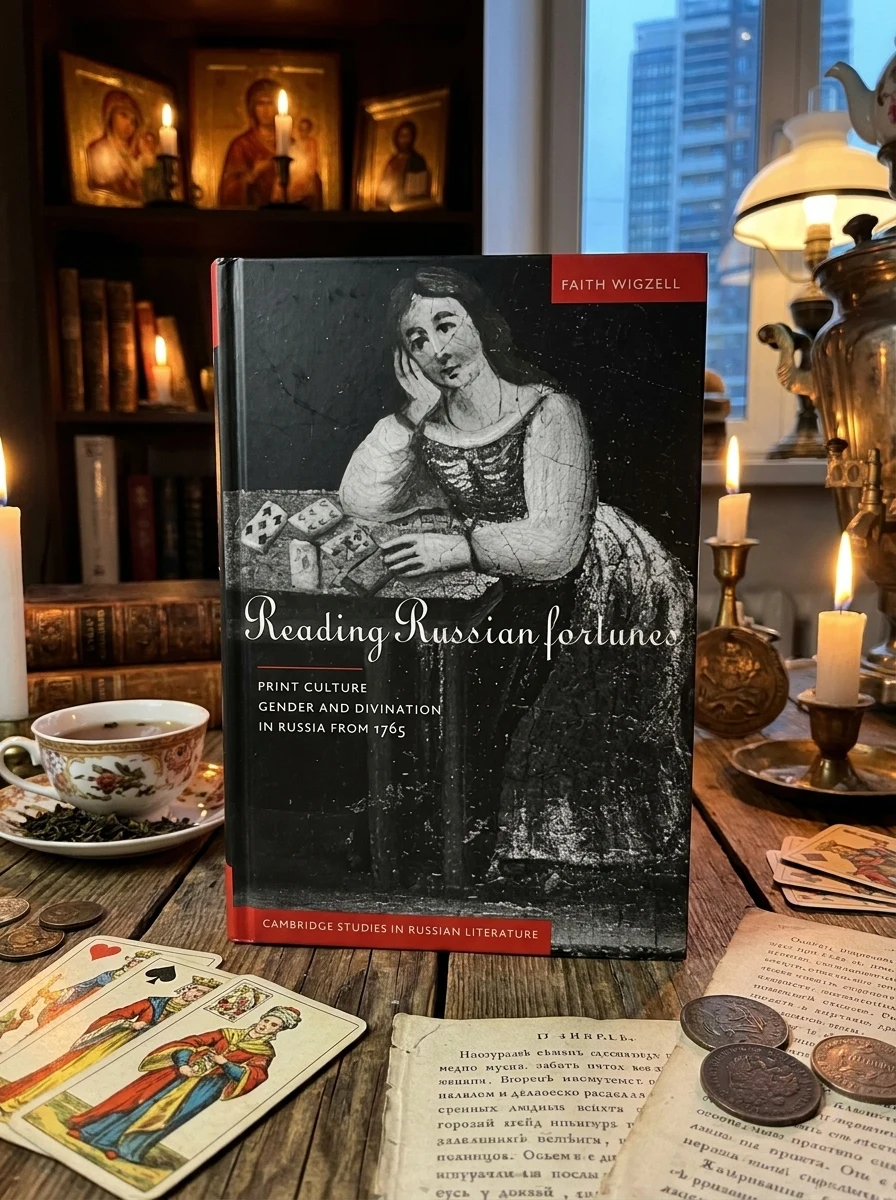

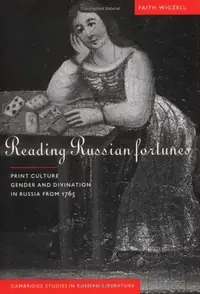
Reading Russian Fortunes Wigzell, Faith
Wigzell, Faith 75
75
 Editorial score
How we rate
Editorial score
How we rate
Stock reported in the catalog; fulfillment is confirmed with your request.
Uncover the esoteric allure of Russian fortune-telling's enduring cultural grip from empire to modernity.
Faith Wigzell delivers the first comprehensive exploration of divination’s pervasive influence in Russia, spanning three centuries. This work investigates how literate urbanites embraced popular almanacs and how women shaped these mystical traditions. By bridging the gap between elite literary culture and folk oral practices, the text reveals why divination remains a potent social force. It dissects the intersection of gender, class, and the occult, offering a nuanced view of how Russians have historically sought to navigate uncertainty through magical means.
This work situates Russian divination within the broader tapestry of esoteric history, tracing its evolution from imperial times through modernity as a vital component of folk oral practices and elite literary culture. It highlights how these mystical traditions served as a bridge between popular almanacs and sophisticated urban intellectualism.


📝 Description: Reading Russian Fortunes Wigzell, Faith
💎 Expert review
📖 Why choose it
Why this book is worth reading
Scholars of gender studies and cultural historians will find immense value in this text, as it offers a nuanced examination of how women shaped mystical traditions while navigating the complex intersections of class and the occult. Readers interested in the sociology of belief will appreciate the analysis of how literate urbanites engaged with popular almanacs to navigate uncertainty. It is essential for those seeking to understand the enduring social force of divination in Russia, providing a comprehensive view that bridges elite literary culture with folk practices across three centuries.
⭐ Reader reviews
Reader rating
Exactly what I was looking for. It's become a regular reference in my practice. The print is clean and easy on the eyes for long sessions. Definitely recommend.
Was skeptical at first. The print is clean and easy on the eyes for long sessions.
My third book from this store and this one might be the best. I appreciated how the argument builds steadily from first principles. It connects ideas I'd only seen treated separately elsewhere. A few pages arrived with light corner wear, though nothing serious.
Bought this as a gift for my sister and ended up ordering a second copy for myself. The symbolism is layered and generous to patient readers. Five stars from me.
This has been on my wishlist for months. Plenty of passages worth underlining; my copy is already full of margin notes. The language takes some getting used to, but it becomes part of the charm. Five stars from me.
Ordered this after seeing it referenced in another book I was studying. Solid binding, decent paper — holds up to heavy use. A keeper.
Wigzell provides a rigorous academic exploration that may feel dense to casual readers seeking accessible mystical guides or practical fortune-telling advice. The text is not suited for those expecting simple narratives or unverified magical techniques; it is a scholarly dissection of historical and social dynamics rather than an instructional manual. However, for academics and serious enthusiasts of esoteric history, it offers a vital, nuanced perspective on the cultural grip of Russian divination. It successfully maps the terrain between elite and folk traditions, making it a significant contribution to the field despite its demanding academic tone.
❓ Frequently asked questions
📖 Who should read this
Readers fascinated by the history of magic, Russian cultural studies, and the intersection of gender and esotericism will find this essential. Scholars of literature and sociology will appreciate its rigorous analysis of how fortune-telling functioned as a social and literary phenomenon.
🎯 Key themes and symbolism
Gender and the Occult
Literary History of Divination
Urban vs. Folk Tradition
💬 Quotes from the book
“Divination was not merely superstition but a vital literary genre that mirrored societal anxieties.”
“Women were the primary architects of this mystical landscape, shaping its narrative and dissemination.”
📜 Historical context
📚 Glossary
- Fate-books
- Esoteric Literacy
- Oral Tradition
📔 Questions to reflect on
- How does your own relationship with fate reflect the cultural pressures of your time?
- In what ways do women shape the esoteric traditions within your community?
- How might written divination texts serve as a mirror for societal fears rather than just predictions?
✍️ More books by this author Wigzell, Faith
All books by this author →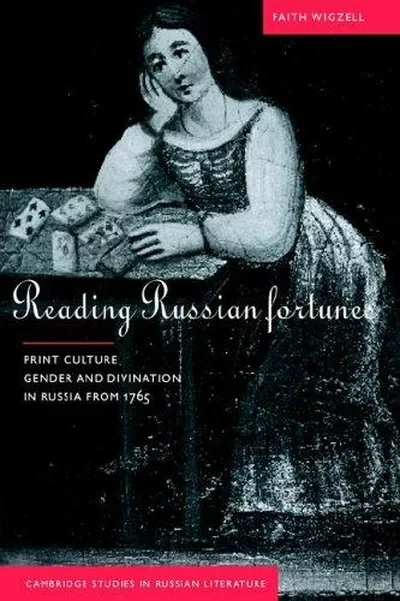
🏛 Books from this publisher Cambridge University Press
All books from this publisher →
 75
75

You might also like
See more →