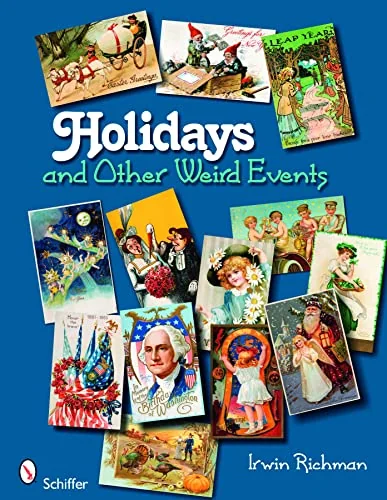
Holidays and Other Weird Events
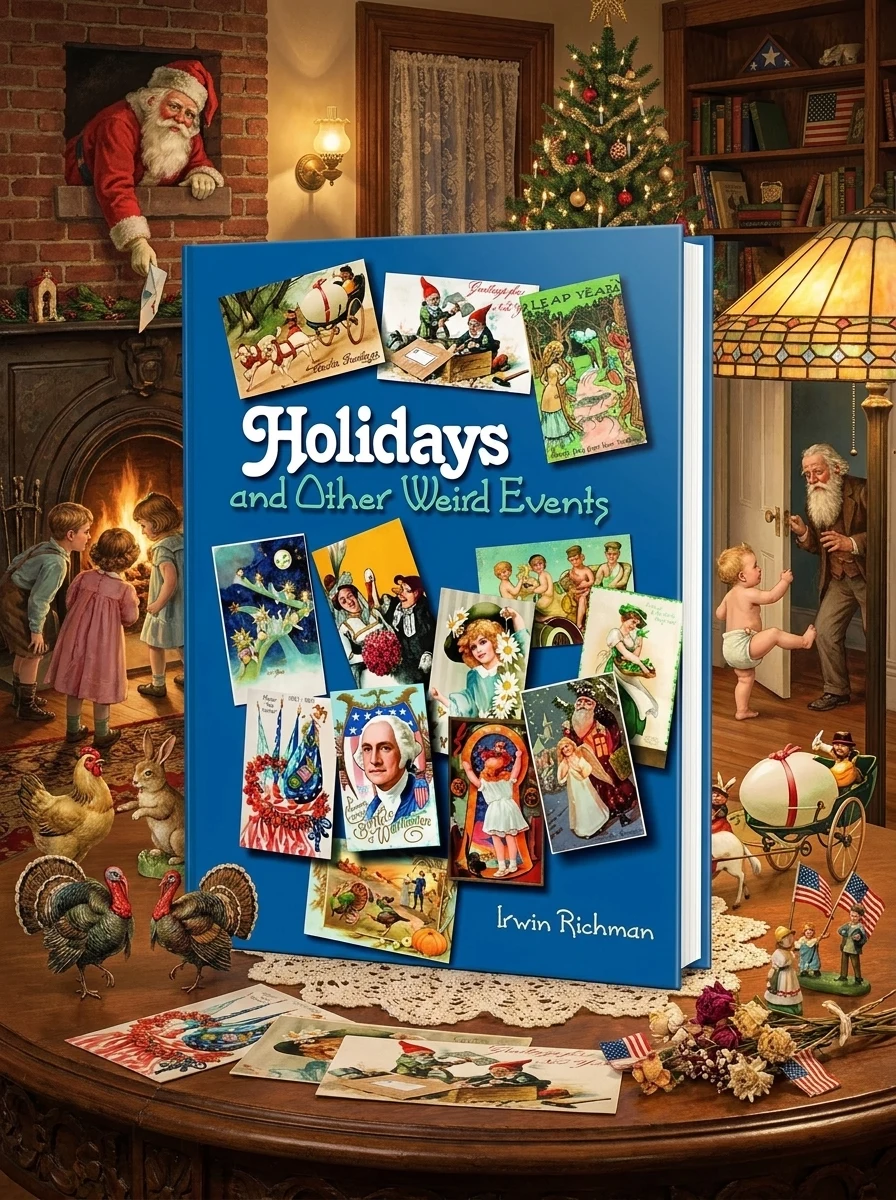
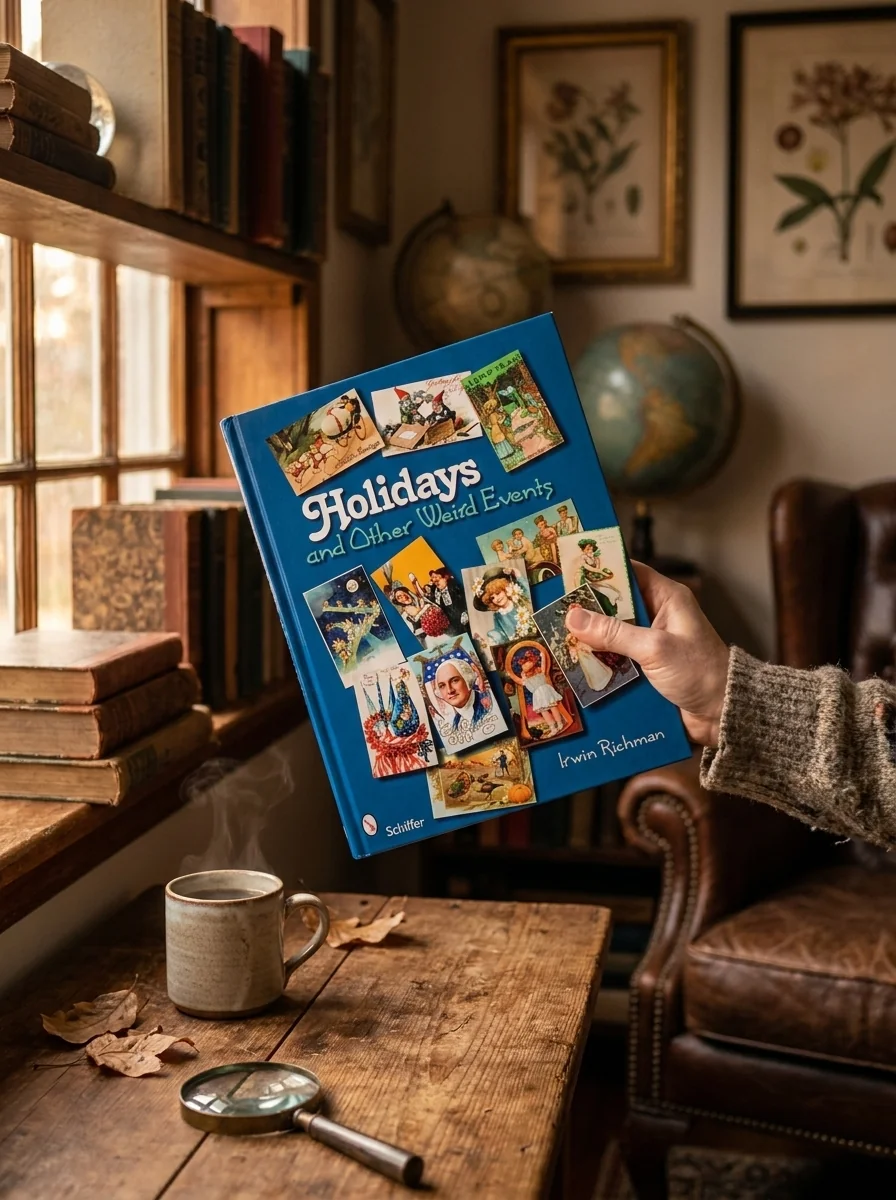
✍️ Richman, IrwinStep into a meticulously curated visual archive with Irwin Richman's exploration of early 20th-century holiday postcards. This captivating volume unearths the fascinating, often peculiar, historical narratives behind America's beloved celebrations, revealing how seemingly innocuous images of dancing animals, mythical figures, and odd rituals shaped our collective understanding. Featuring 380 vibrant postcards, the book meticulously dissects the "weirdness" inherent in holiday iconography, offering a fresh perspective on the evolution of customs and the enduring power of symbolic art. It's a journey into the hidden depths of festive culture.


📝 Description: Holidays and Other Weird Events
💎 Expert review
📖 Why choose it
Why this book is worth reading
Readers fascinated by the hidden layers of cultural history and the evolution of social rituals will find this book a delightful treasure trove. Irwin Richman offers more than just nostalgia; he provides a lens through which to view the bizarre and whimsical undercurrents of American festive culture. If you enjoy uncovering forgotten narratives behind everyday traditions, this collection of postcards reveals how mythical figures and odd rituals once defined our celebrations. It is perfect for visual learners who appreciate the power of symbolic art and wish to understand the peculiar origins lurking within cherished annual events. This volume invites you to see the world through a more eccentric, historically rich perspective.
⭐ Reader reviews
Reader rating
Richman’s compilation serves as a vibrant visual archive rather than a deep sociological treatise. While it succeeds in unearthing fascinating narratives behind beloved celebrations through its three hundred and eighty vibrant postcards, it may disappoint readers seeking rigorous academic analysis or dense theoretical frameworks. The focus remains firmly on the peculiar historical imagery and symbolic art of the early twentieth century. Consequently, those looking for heavy textual critique might find the pacing leisurely. However, for enthusiasts of visual history and folklore who appreciate a candid look at dancing animals and mythical figures, it offers a compelling, accessible journey into the weirdness inherent in holiday iconography.
❓ Frequently asked questions
📖 Who should read this
If you are fascinated by the hidden depths of everyday customs, the evolution of visual culture, or the symbolic undercurrents of societal beliefs, this book is for you. Seek out this volume if you desire to understand the mystic and peculiar roots of your annual celebrations.
🎯 Key themes and symbolism
Esoteric Holiday Imagery
Delves into the often-overlooked visual language of early 20th-century holiday postcards. It dissects the curious symbolism—from dancing animals to mythical figures—that shaped our collective understanding of celebrations, revealing the deeper, sometimes unsettling, artistic currents beneath festive cheer.
Strange Rituals Unveiled
This volume meticulously chronicles the obscure and diverse historical underpinnings of America's most beloved holidays. It peels back layers of modern observance to expose the pagan, folkloric, and often bizarre rituals and beliefs that originally inspired these annual gatherings, challenging contemporary perceptions.
The Grotesque & Festive
Explores the inherent oddity woven into the fabric of American holidays. From the unsettling imagery of Father Time and the Baby New Year to anthropomorphic animals and chimney-diving figures, the book highlights how the grotesque and the uncanny have always been fundamental, if unacknowledged, elements of our communal joy.
📜 Historical context
📚 Glossary
- Anthropomorphism
- Iconography
- Syncretism
📔 Questions to reflect on
- What "weird" or unsettling elements have you noticed in your own family's holiday traditions, and what might their obscure origins be?
- How do the prevailing visual symbols of a holiday shape our understanding and emotional connection to its deeper meaning, or lack thereof?
- If you were to design a new postcard for a contemporary holiday, what "weird" or overlooked symbolic elements would you include to hint at its hidden truths?