German Architecture in America: Folk House, Your House, Bauhaus, and More (UK)
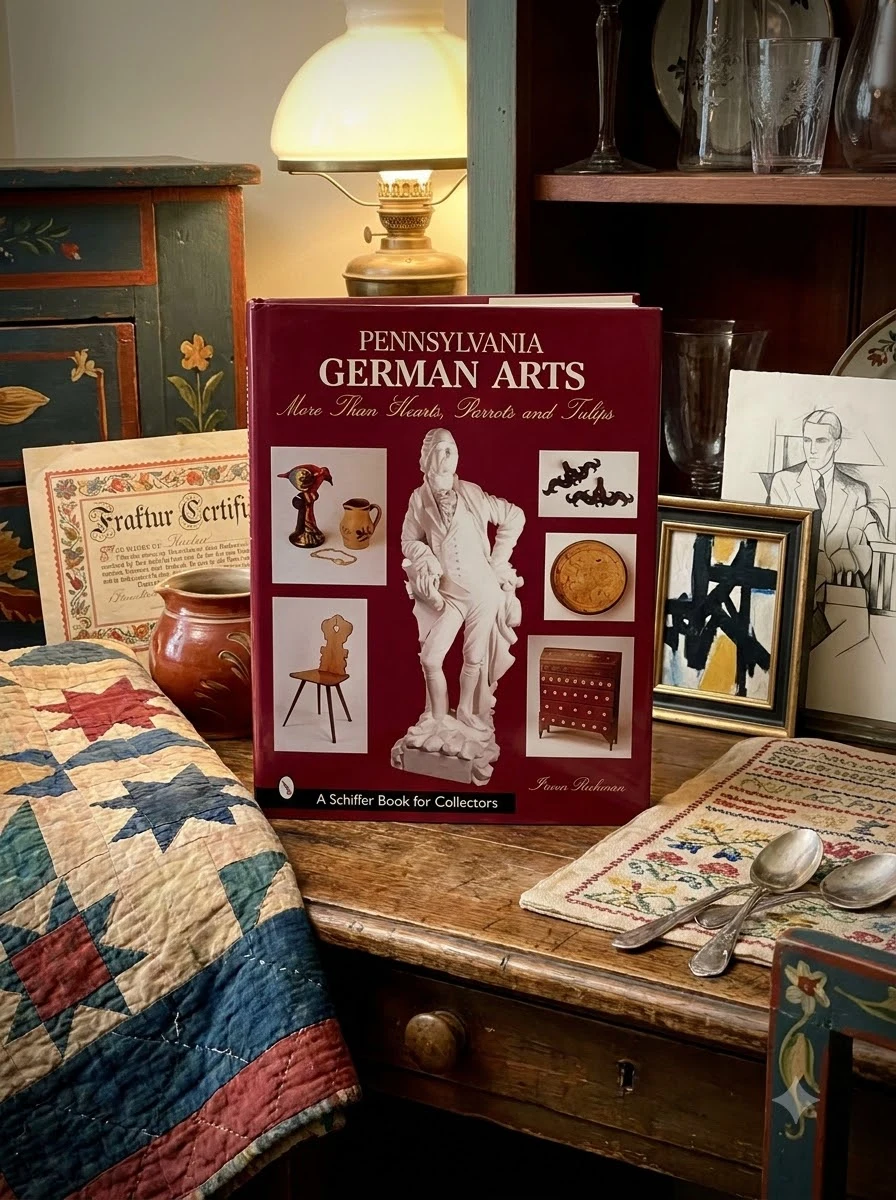
Richman, IrwinThis edition can be ordered. No arrival date is confirmed.
Uncover the hidden German DNA woven into America's iconic structures and everyday buildings.
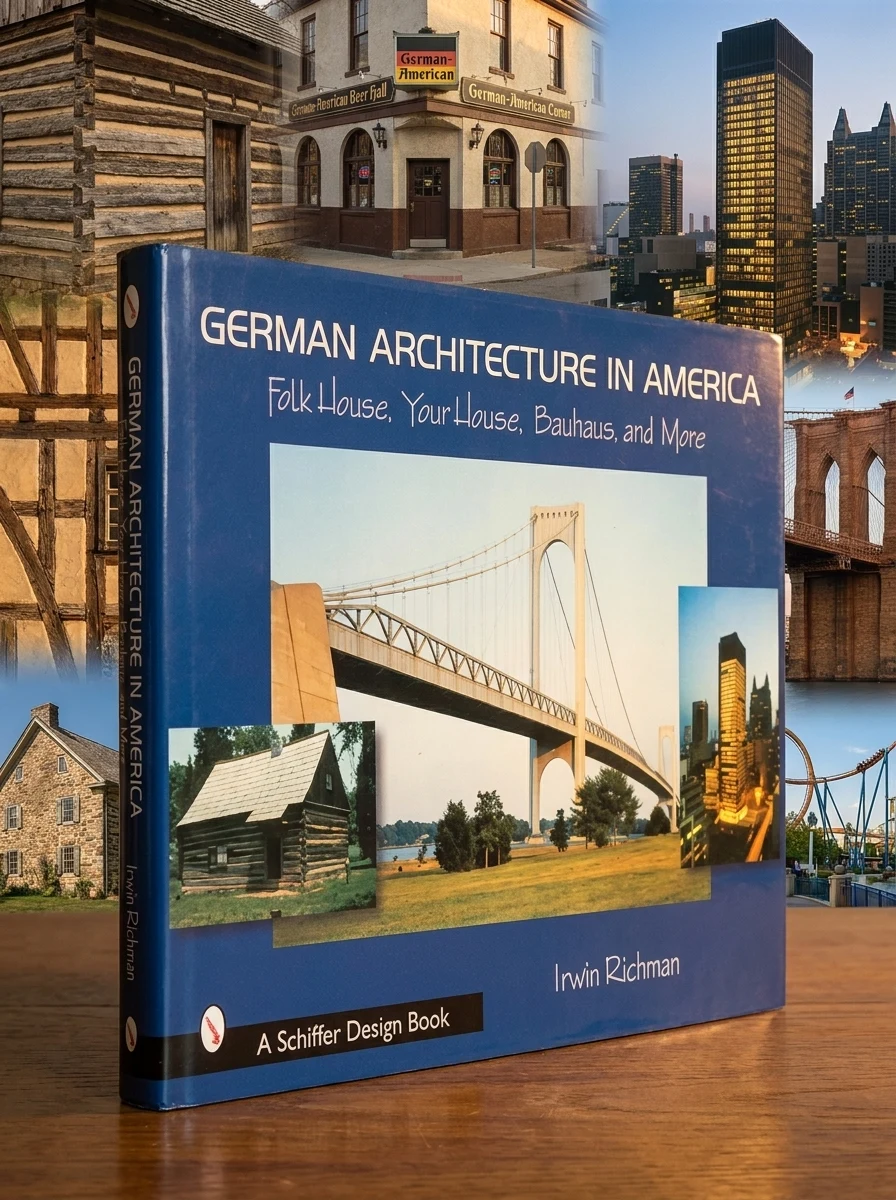
This volume explores the profound yet often overlooked German imprint on American built environments, tracing the spectrum from rustic folk traditions to high modernism. Richman examines how log cabins, beer halls, and iconic bridges reflect this dual heritage. With over three hundred images, the text illuminates how German engineering and aesthetics shaped everything from Texas hill country homes to New York skyscrapers, revealing a cultural narrative that is distinctly American yet deeply rooted in European craftsmanship and design philosophy.
This volume situates itself within the niche of architectural history and cultural heritage studies, bridging the gap between European craftsmanship traditions and American built environments. It serves as a specific exploration of how German design philosophy evolved from rustic folk roots to high modernism across the United States.


📝 Description: German Architecture in America: Folk House, Your House, Bauhaus, and More (UK)
💎 Expert review
📖 Why choose it
Why this book is worth reading
This book is a treasure trove for architecture enthusiasts, history buffs, and anyone fascinated by the subtle interplay between European heritage and American identity. Readers who appreciate the tangible evidence of cultural migration will find great value in tracing how German engineering and aesthetics shaped iconic structures, from Texas hill country homes to New York skyscrapers. It offers a unique lens through which to view everyday buildings, revealing the hidden DNA that defines much of America's architectural landscape. By examining everything from log cabins to Bauhaus influences, it provides a comprehensive yet accessible narrative for those eager to understand the deep European roots embedded in American craftsmanship and design.
⭐ Reader reviews
Reader rating
Needed this for my research. Every rereading turns up something I missed. I found myself reading passages aloud just to sit with them. Solid, if not essential.
Bought this as a gift for my sister and ended up ordering a second copy for myself. The historical context alone makes it worth the price. I'd have loved an index, but that's on the original text. Recommended with reservations.
Arrived faster than expected and well packaged. The text itself is dense but rewarding — you get out what you put in. Challenging in places, but never needlessly obscure. One of my better finds this year.
Added this to my reference shelf. Some sections stopped me cold in the best way. If you're drawn to this subject, don't hesitate.
Perfect companion for my morning study sessions. The typesetting is comfortable for study, with good margins for notes. The symbolism is layered and generous to patient readers. Highly recommend to serious students.
Finally got around to ordering this. You can tell why this work has endured. Still worth having on the shelf.
Richman delivers a visually rich exploration of German contributions to American architecture, supported by over three hundred images that illuminate the text’s claims. The work successfully connects rustic folk traditions with high modernism, offering a compelling case for the dual heritage of American built environments. However, this book is not suited for readers seeking pure theoretical discourse or those uninterested in visual history. It may also disappoint those looking for critical architectural theory rather than a descriptive survey of cultural imprint. While informative and well-illustrated, it remains a specialized niche study best appreciated by those with a specific interest in German-American cultural intersections and architectural genealogy.
❓ Frequently asked questions
📖 Who should read this
Readers fascinated by the intersection of history and design, particularly those interested in immigration studies, architectural history, or the subtle ways European traditions shaped the American landscape.
🎯 Key themes and symbolism
Folk Heritage and Vernacular
The book delves into the practical, community-focused designs of early German settlers. It details how log construction techniques and communal spaces like beer halls established a foundational aesthetic that prioritized durability and social cohesion, forming the bedrock of rural American architecture.
Modernist Structural Innovation
Examining the shift to academic modernism, this section highlights how German-trained engineers and architects introduced steel-frame technologies and minimalist principles. It traces the evolution from industrial pragmatism to the sleek, glass-and-steel skyscrapers that define contemporary urban skylines across the United States.
Cultural Synthesis and Identity
The author argues that these architectural forms are not merely imported styles but evolved into unique American expressions. By analyzing specific landmarks and everyday structures, the text demonstrates how German design sensibilities merged with local needs to create a hybrid cultural identity visible in the built environment.
💬 Quotes from the book
“German-inspired architecture covers America and defines a cultural heritage.”
“It is fresh, stimulating, and entertaining.”
📜 Historical context
📚 Glossary
- Vernacular Architecture
- Bipolar Influence
- Cultural Heritage
📔 Questions to reflect on
- Which local building in your area might reveal a hidden German design lineage?
- How does the contrast between rustic folk homes and modern skyscrapers reflect broader cultural shifts?
- In what ways do your own living spaces reflect the traditions of your ancestors?
✍️ More books by this author Richman, Irwin
All books by this author →


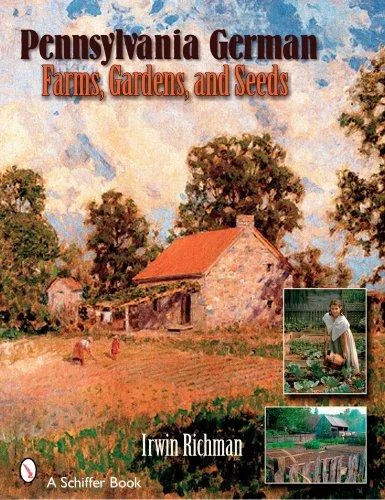
🏛 Books from this publisher Schiffer Publishing
All books from this publisher →
 89
89





You might also like
See more → 89
89


 91
91
 91
91