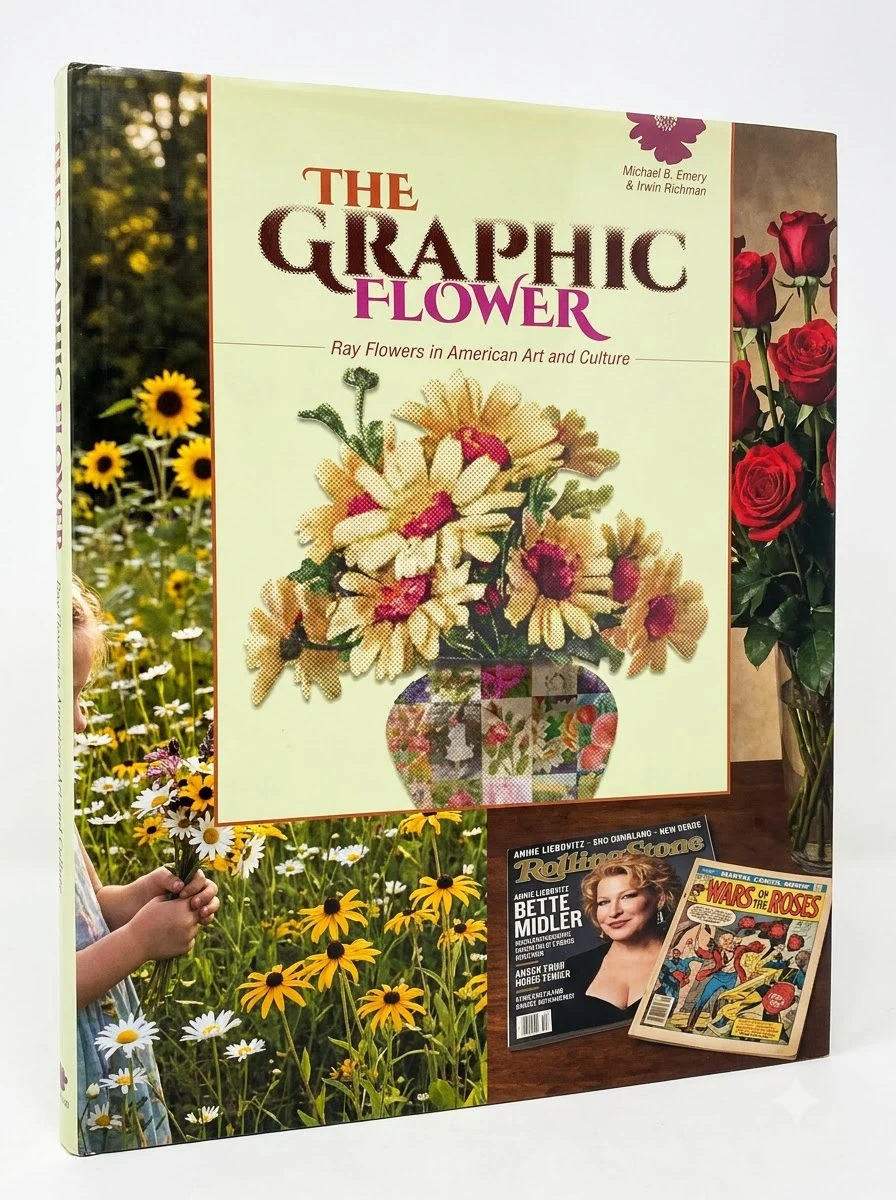
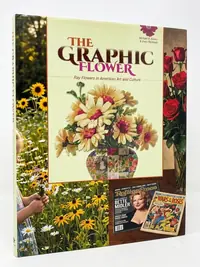
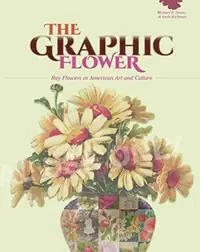
The Graphic Flower: Ray Flowers and Roses in American Art and Culture
Richman, IrwinThis edition can be ordered. No arrival date is confirmed.
Dive into the cultural roots of America's beloved sunflowers, daisies, and roses.
Irwin Richman explores the deep cultural resonance of two floral archetypes in America: the humble ray flower and the sophisticated rose. From childhood daisy chains to adult romantic gestures, these blooms shape our social rituals and artistic expression. The text traces their journey through high art and pop culture, examining how images of Bette Midler or comic book zombies utilize these petals to convey meaning. This is a study of national identity woven through botanical history.
This work situates itself within the intersection of American cultural history and botanical symbolism, exploring how floral archetypes have shaped national identity through artistic expression and social rituals.


📝 Description: The Graphic Flower: Ray Flowers and Roses in American Art and Culture
💎 Expert review
📖 Why choose it
Why this book is worth reading
Readers fascinated by the subtle ways nature influences human behavior and artistic creation will find this book deeply rewarding. It offers a unique lens through which to view American identity, connecting childhood nostalgia with adult romance via the humble ray flower and the sophisticated rose. If you enjoy uncovering the hidden meanings in everyday objects or analyzing how pop culture icons like Bette Midler utilize botanical imagery for deeper narrative weight, this study provides rich insights. It is perfect for those who appreciate interdisciplinary approaches that blend art history, sociology, and botany to explain why certain images resonate so powerfully across generations.
⭐ Reader reviews
Reader rating
This has been on my wishlist for months. The ideas are old but land with surprising force today. I'd have loved an index, but that's on the original text. Good, with the caveats above.
This exceeded my expectations. The historical context alone makes it worth the price. The print is clean and easy on the eyes for long sessions. Shipping was quick too.
This edition finally does the material justice. The typesetting is comfortable for study, with good margins for notes. The symbolism is layered and generous to patient readers. Already eyeing my next order.
Long-time student of the esoteric here. I found myself reading passages aloud just to sit with them. Solid binding, decent paper — holds up to heavy use. Recommended with reservations.
Been hunting for a decent copy of this text for ages. Some chapters demand a slow, careful read, and that's exactly the point. It connects ideas I'd only seen treated separately elsewhere. Definitely recommend.
Richman delivers a compelling examination of two distinct floral symbols, tracing their evolution from high art to comic book zombies. The analysis of how these blooms shape social rituals is both insightful and culturally relevant. However, readers seeking rigorous academic theory or dense botanical taxonomy may find the approach too accessible or broad. It does not suit those looking for scientific data on plant physiology or purely aesthetic critiques of floral arrangements. This title is best for generalists interested in cultural symbolism rather than specialists in either pure botany or formal art criticism.
❓ Frequently asked questions
📖 Who should read this
Readers fascinated by the intersection of botany, art history, and American cultural studies will find this a delightful exploration of how everyday flowers carry profound symbolic weight in our collective consciousness.
🎯 Key themes and symbolism
Floral Symbolism Evolution
Traces how the ray flower represents innocent, youthful affection, while the rose signifies mature, complex romance. The book analyzes this psychological transition, showing how floral choices reflect growing social sophistication and changing cultural values regarding love and courtship in American society.
Pop Culture Floral Icons
Examines the pervasive presence of these blooms in media, from Rolling Stone covers to zombie comics. Richman argues that these flowers are not merely decorative but active symbols that communicate status, desire, and cultural narrative, appearing in everything from greeting cards to presidential gardens.
Art Historical Context
Places the American floral tradition within a broader European and domestic artistic lineage. The author connects contemporary imagery to historical works, demonstrating how the visual language of roses and daisies has been adapted and reinterpreted across centuries to define the American aesthetic experience.
💬 Quotes from the book
“Children pick ray flowers for their prepubescent crush or for their mom; when they get older, they graduate to the rose.”
“A nonallergenic floral extravaganza!”
📜 Historical context
📚 Glossary
- Ray Flower
- American Beauty
- Wars of the Roses
📔 Questions to reflect on
- Which flower do you associate with your earliest memories of love or affection?
- How does the symbolism of the rose differ between American pop culture and historical European art?
- In what ways do you think social media has changed the way we use floral imagery today?
✍️ More books by this author Richman, Irwin
All books by this author →


🏛 Books from this publisher Schiffer Publishing
All books from this publisher →
 89
89





You might also like
See more → 89
89


 91
91
 91
91