Nature Mandalas Wonders of the Earth, Wind, and Sea: Life Circles of Biodiversity and Conservancy Phelps, Timothy
This edition can be ordered. No arrival date is confirmed.
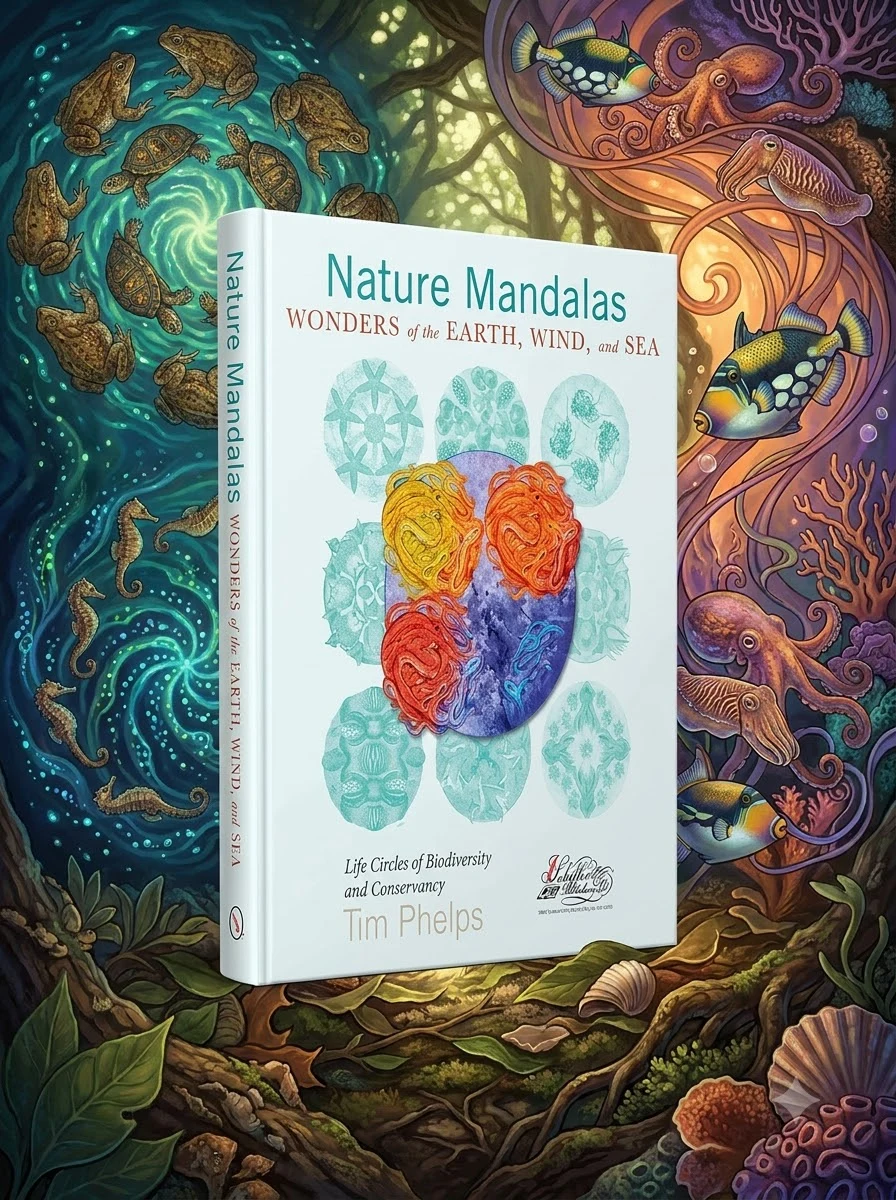
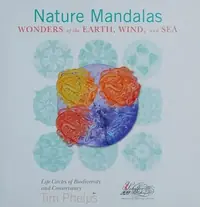
Tim Phelps renders biodiversity’s hidden geometry through vibrant, esoteric mandalas of earth, wind, and sea.
Timothy Phelps transforms biological observation into sacred geometry, casting a mystical eye over the micro-architecture of creatures ranging from humble toads to cephalopods. By merging the fluidity of art nouveau with the precision of Victorian ornamentation, these illustrations serve as meditative portals into the ecosystem. The narrative does not merely catalog species but explores their symbolic roles in the web of life. This volume invites the reader to perceive the divine patterns woven into the natural world, encouraging a deeper, more reverent connection to the biodiversity found in our own immediate surroundings through the lens of artistic conservation.
This work sits at the intersection of Victorian natural history illustration and modern esoteric philosophy, echoing the Arts and Crafts movement’s reverence for organic form. It bridges scientific taxonomy with mystical interpretation, aligning with traditions that view nature as a sacred text.


📝 Description: Nature Mandalas Wonders of the Earth, Wind, and Sea: Life Circles of Biodiversity and Conservancy Phelps, Timothy
💎 Expert review
📖 Why choose it
Why this book is worth reading
Readers seeking a meditative escape from modern chaos will find profound solace in Timothy Phelps’ intricate mandalas. This book is ideal for those who view the natural world not merely as resource but as sacred geometry. By transforming humble toads and cephalopods into vessels of divine pattern, Phelps encourages a reverent connection to immediate surroundings. It serves as a visual prayer for conservationists, artists, and spiritual seekers alike, offering a way to perceive the hidden order in biodiversity. The Art Nouveau aesthetics provide both intellectual stimulation and emotional comfort, making it a perfect companion for quiet reflection and ecological mindfulness.
⭐ Reader reviews
Reader rating
Arrived faster than expected and well packaged. There's real depth here that reveals itself on a second reading. It pairs well with more modern commentaries on the same tradition. Deserves a place on any esoteric bookshelf.
Been hunting for a decent copy of this text for ages. It rewards patience more than any book I've bought this year.
This edition finally does the material justice. The symbolism is layered and generous to patient readers. Will be gifting a copy to a friend.
Finally got around to ordering this. The print is clean and easy on the eyes for long sessions. I appreciated how the argument builds steadily from first principles. Would buy from this store again.
Needed this for my research. Some sections stopped me cold in the best way. Plenty of passages worth underlining; my copy is already full of margin notes. Recommended if you're ready to do the work.
Timothy Phelps offers a visually stunning fusion of biology and mysticism, yet this volume is not for the strictly empirical scientist or the casual browser seeking quick facts. Those expecting dry academic taxonomy may find the esoteric framing overly abstract or unscientific. However, for readers open to seeing the metaphysical in the mundane, the work succeeds beautifully. The blend of Victorian precision and fluid art nouveau creates a unique aesthetic experience. It is a niche appeal, best suited for those already inclined toward spiritual ecology. While it lacks rigorous data, its power lies in evoking awe rather than providing instruction, making it a beautiful but specific choice.
❓ Frequently asked questions
📖 Who should read this
Readers seeking to bridge the gap between scientific illustration and spiritual practice will find this compelling. Ideal for artists interested in organic forms, environmentalists, and those who view the natural world as a source of mystical inspiration and geometric wonder.
🎯 Key themes and symbolism
Sacred Geometry in Fauna
Phelps treats animal forms not just as biological specimens but as living mandalas. He reveals how the internal structures of creatures like turtles and fish mirror cosmic patterns, suggesting that nature itself is a practitioner of sacred design. This perspective shifts the viewer from scientific detachment to awe-filled contemplation of the organism's inherent spiritual architecture.
Ecological Interdependence
The work emphasizes the critical role each organism plays within a healthy ecosystem. By illustrating the intricate connections between species, from the smallest triggerfish to the largest sea horse, Phelps argues that conservancy is an act of preserving complex, interconnected beauty. The art serves as a visual argument for the fragility and necessity of biodiversity.
Artistic Lineage Synthesis
Phelps draws heavily from Charley Harper’s stylization, Haeckel’s scientific rigor, and the ornamental flows of Art Deco and Asian batik. This synthesis creates a unique visual language that bridges scientific illustration with decorative art. The result is a hybrid aesthetic that honors both the factual details of anatomy and the expressive, symbolic potential of color and texture.
💬 Quotes from the book
“Mandalas cast an artistic eye on the real and imagined micro-architecture of animals.”
“Encourages us to look closely at the rich biodiversity in our own backyards.”
📜 Historical context
📚 Glossary
- Micro-architecture
- Conservancy
- Iconography
📔 Questions to reflect on
- Identify one creature in your local environment and sketch its essential geometric shape.
- How does the artistic style of an organism reflect its role in the ecosystem?
- In what ways can viewing nature as sacred geometry change your conservation habits?
🏛 Books from this publisher Schiffer Publishing
All books from this publisher →
 89
89






You might also like
See more → 91
91
 91
91


 91
91
 91
91
 91
91