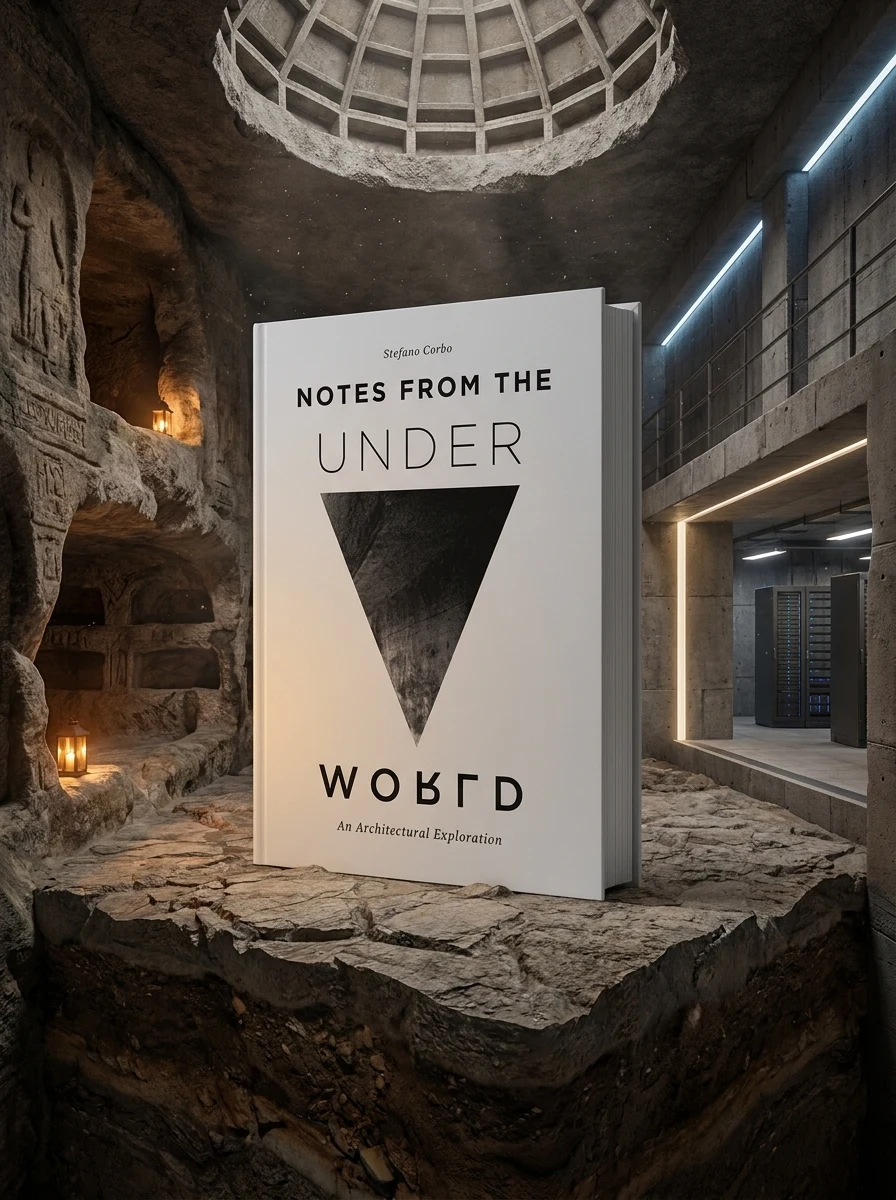

Notes from the Underworld: An Architectural Exploration
Stock reported in the catalog; fulfillment is confirmed with your request.
Unearth the hidden architectures beneath our world, from refuge to radical reuse.
This compelling volume delves into the fascinating world of subterranean architecture, examining how humanity has continuously sought solace, utility, and innovation below ground. Authored by an architect, it offers a unique perspective on hidden spaces, from ancient shelters to modern marvels. Through an extensive international atlas of over 80 diverse projects, the book explores the cultural, practical, and environmental motivations behind these unseen structures, revealing them as profound reflections of human endeavor in times of conflict, spiritual quest, and sustainable development. It's a journey into the depths, revealing unexpected beauty and ingenuity.
This volume bridges the gap between architectural history and esoteric curiosity by examining the human impulse to inhabit subterranean spaces for refuge, spiritual quest, or innovation. It situates itself within a tradition of exploring hidden geometries and the psychological weight of underground environments.


📝 Description: Notes from the Underworld: An Architectural Exploration
💎 Expert review
📖 Why choose it
Why this book is worth reading
Readers with a fascination for the unseen layers of our world will find this book deeply rewarding. It appeals to those who look beyond surface aesthetics to understand how humanity has historically used underground spaces for survival, spiritual depth, and sustainable innovation. By presenting an international atlas of diverse projects, it offers a unique perspective on the ingenuity found in darkness. If you are intrigued by the intersection of architecture, culture, and the human need for solace or radical reuse, this volume provides a compelling narrative of hidden beauty. It is ideal for anyone seeking to understand the profound reflections of human endeavor in times of conflict or spiritual quest, revealing unexpected value in what lies beneath our feet.
⭐ Reader reviews
Reader rating
This work succeeds as a visually and intellectually stimulating exploration of subterranean ingenuity, offering an architect’s eye on spaces often ignored. However, it may not suit readers seeking purely mystical or supernatural occultism, as its focus remains firmly on structural utility and cultural motivation rather than esoteric ritual. It is also less appropriate for those who prefer dense academic theory over accessible visual case studies. While the international scope is impressive, some might find the breadth of projects lacks deep critical analysis of specific sites. Nevertheless, it stands as a valuable resource for understanding the practical and aesthetic dimensions of underground living, bridging the gap between architectural documentation and philosophical inquiry into hidden spaces.
❓ Frequently asked questions
📖 Who should read this
If you're an architect, urban planner, historian, or simply someone captivated by the unseen ingenuity of human design, this book offers a profound exploration. It's for those who question the boundaries of space and seek inspiration in the hidden depths of our built environment.
🎯 Key themes and symbolism
Adaptive Subterranean Design
The book brilliantly showcases how disused underground spaces are being reimagined for contemporary purposes. From former military installations transforming into homes or cultural venues, to industrial sites finding new life as wineries or art galleries, it highlights the innovative spirit behind repurposing existing subterranean structures to meet modern needs and challenges, emphasizing sustainability and creative spatial solutions.
Cultural & Spiritual Depths
This work explores how underground spaces are not merely utilitarian but profound reflections of human culture, ritual, and belief. It examines sites used for religious practices, places of mourning, and even entertainment venues, demonstrating how these hidden realms serve as canvases for our deepest fears, aspirations, and collective identities. It unearths the symbolic weight of building below the surface.
Survival & Environmental Adaptation
Delve into humanity's primal instinct to seek protection and adapt to harsh conditions by building underground. The book illustrates how subterranean structures have provided refuge from war, extreme climates, and environmental threats. It also highlights contemporary examples, such as seed banks, that address global ecological concerns, showcasing the enduring role of underground spaces in ensuring survival and resilience.
💬 Quotes from the book
“The transformation from Cold War bunker to vibrant cultural hub is not merely a feat of engineering; it is a profound reclamation, imbuing former sites of fear with new narratives of community and creativity.”
“To build below is to engage in a primal dialogue between human ingenuity and geological reality, simultaneously protecting, concealing, and revealing our deepest collective anxieties and aspirations.”
📜 Historical context
📚 Glossary
- Adaptive Reuse
- Subterranean Architecture
- Environmental Remediation
📔 Questions to reflect on
- Consider a local unused underground space. How might it be adaptively reused to serve contemporary community needs, reflecting local culture?
- How do subterranean structures reflect collective societal fears or desires in different cultures throughout history? Provide specific examples.
- Beyond practicalities, what psychological or spiritual resonance does 'the underworld' hold for humanity, and how is this expressed through architecture?
🏛 Books from this publisher Schiffer Publishing
All books from this publisher →
 89
89






You might also like
See more → 91
91


 91
91


 91
91