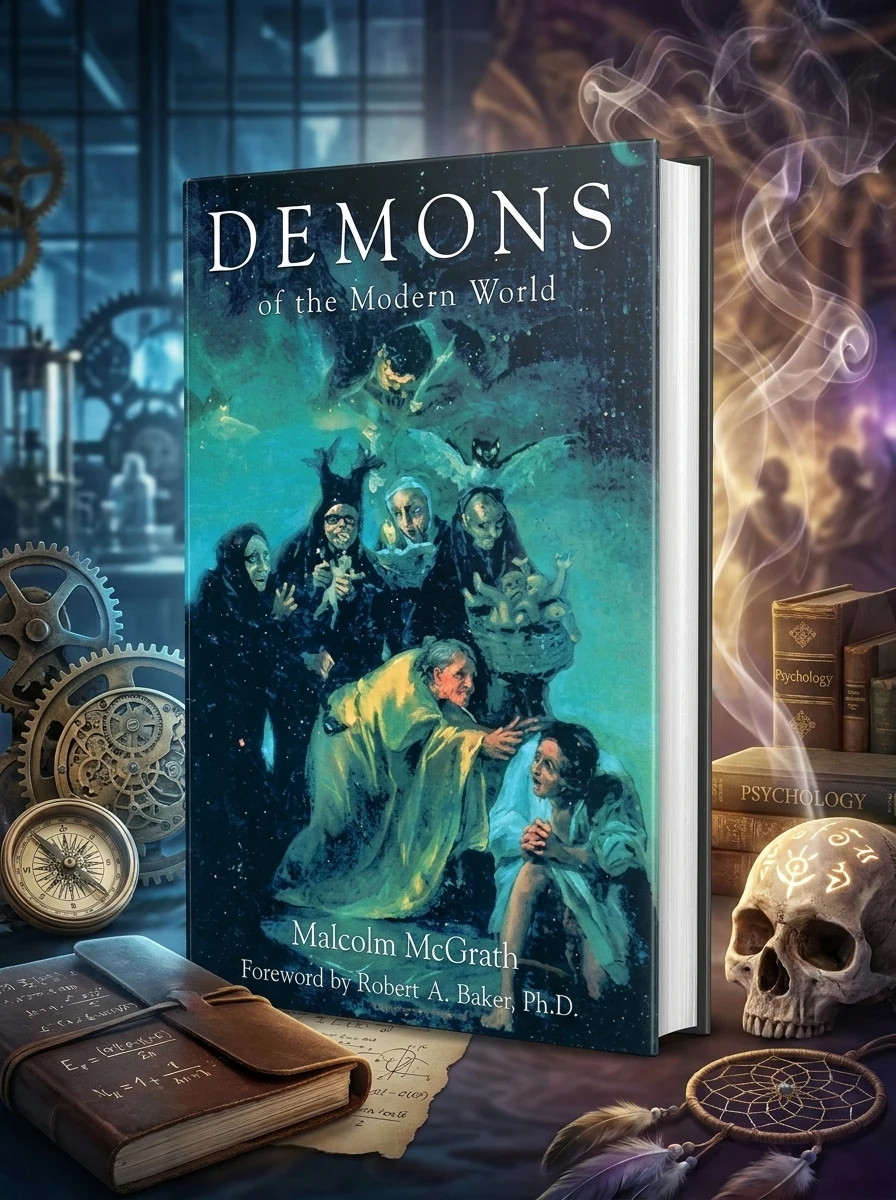
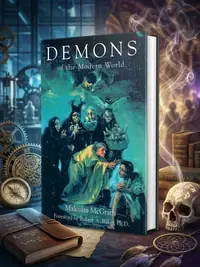
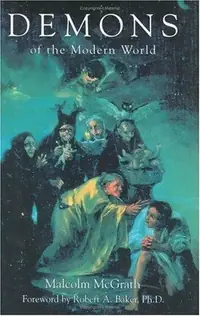
Demons of the Modern World
Stock reported in the catalog; fulfillment is confirmed with your request.
How do we grapple with unseen forces in a world increasingly defined by reason?
This book explores how we perceive and categorize malevolent forces in a world increasingly defined by scientific understanding. McGrath delves into the distinctions we draw between the tangible, rule-bound universe and the fluid, often unsettling landscape of human consciousness and belief. It scrutinizes the very nature of modern 'demons' – not necessarily supernatural entities, but the psychological and societal constructs we imbue with power and fear, urging re-evaluation of how these perceived threats shape our reality.
This work sits at the intersection of occult philosophy and modern sociological critique, questioning traditional supernatural frameworks through a contemporary, reason-driven lens. It bridges esoteric thought with psychological analysis in an era where scientific understanding increasingly defines reality.


📝 Description: Demons of the Modern World
💎 Expert review
📖 Why choose it
Why this book is worth reading
Readers fascinated by the psychological underpinnings of belief systems and the societal constructs we label as malevolent will find this text profoundly rewarding. It offers a crucial re-evaluation of how perceived threats shape our modern reality, moving beyond simple supernatural explanations to explore the fluid landscape of human consciousness. If you are intrigued by the tension between tangible, rule-bound universes and unsettling beliefs, this book provides essential insights into the unseen forces that govern our collective fear. It is ideal for those seeking to understand the power dynamics embedded in our cultural narratives about evil and the unknown.
⭐ Reader reviews
Reader rating
Malcolm McGrath presents a rigorous intellectual inquiry into the nature of modern 'demons,' treating them as psychological and societal constructs rather than mere supernatural entities. The text demands attention from readers comfortable with abstract philosophical discourse and critical analysis of reason versus belief. However, it will likely frustrate those seeking traditional supernatural thrillers or straightforward dogmatic occult practices. It does not suit readers who prefer concrete answers over nuanced deconstruction or those entirely dismissive of the role psychology plays in shaping our perception of reality and fear.
❓ Frequently asked questions
📖 Who should read this
If you're drawn to the intersection of philosophy, psychology, and spiritual inquiry, questioning how we frame fears in a post-supernatural age, this book is for you. It challenges readers to critically examine the unseen influences shaping individual and collective reality.
🎯 Key themes and symbolism
Modern Demonology Redefined
McGrath redefines 'demons' for our age, moving beyond traditional supernatural entities to explore psychological and societal forces. He investigates how contemporary anxieties and cultural narratives manifest as perceived threats, shaping our understanding of good and evil in an increasingly secular yet profoundly spiritual world.
Mind-Matter Divide
The book scrutinizes our human inclination to separate the objective, measurable physical world from the subjective, unpredictable realm of thought and emotion. McGrath examines the implications of this division, particularly how it affects our ability to identify and confront 'demonic' elements arising from within our own psyche.
Existentialism and Cults
McGrath explores how existential uncertainties and the search for meaning can lead individuals towards fervent belief systems, including cults. He analyzes the psychological mechanisms making such movements appealing, offering insight into how these groups can become modern manifestations of destructive, 'demonic' forces within the human experience.
💬 Quotes from the book
“The true demons of our age lurk not in shadow, but in the fault lines of our own cognitive architecture.”
“To truly confront evil, we must first discern the boundaries, often blurred, between the quantifiable universe and the tempestuous landscape of the human spirit.”
📜 Historical context
📚 Glossary
- Modern Demonology
- Physical World
- Psychological Realm
📔 Questions to reflect on
- How do you personally define "evil" in a world increasingly explained by science, and what forces do you consider "demonic" today?
- Reflect on a time you felt a distinction between your rational understanding of an event and your emotional or intuitive response. How does McGrath's concept of the psychological realm resonate with this experience?
- Consider a societal phenomenon or movement you find unsettling. How might McGrath's framework of "modern demonology" help you analyze its underlying appeal or destructive potential?
🏛 Books from this publisher Prometheus Books
All books from this publisher →
 83
83
You might also like
See more →
 90
90
 89
89