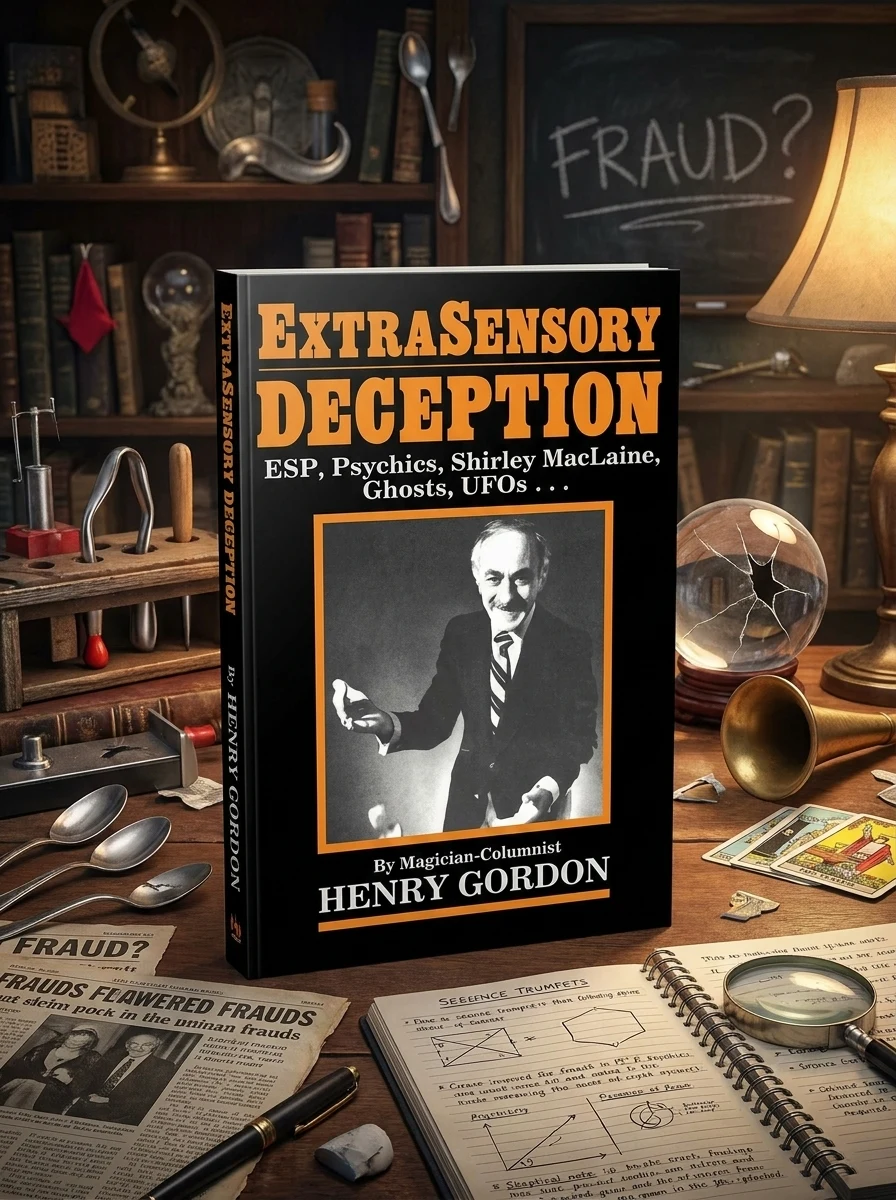
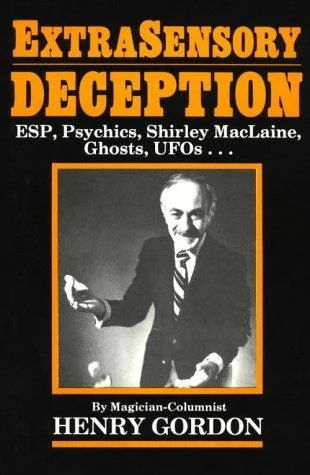
Extrasensory Deception
✍️ Gordon, HenryA skeptical critique of psychic claims and stage illusions written by a professional magician.
Henry Gordon examines supernatural claims through the lens of theatrical deception. Drawing on his experience as a stage magician, Gordon demonstrates that abilities attributed to extrasensory powers mirror familiar conjuring and mentalist routines. The text documents his first-hand evaluations of public figures such as Uri Geller, Shirley MacLaine, Peter Popoff, and Stanton Friedman. Rather than presenting occult instruction, Gordon questions the claims made by astrologers, psychics, and faith-healers. His central objective focuses on the hazards of uncritical belief, presenting a rationalist argument for skepticism over blind acceptance of supernatural phenomena.
Published in March 1987 by Prometheus Books, this hardcover volume originated as a series of weekly columns in the Toronto Sunday Star. It reflects a period of critical public scrutiny directed toward prominent New Age personalities, faith healers, psychic superstars, and UFO lecturers.


📝 Description: Extrasensory Deception
💎 Expert review
📖 Why choose it
Why this book is worth reading
Readers who appreciate clear-headed skepticism and the art of illusion will find this book particularly rewarding. Henry Gordon’s background as both a journalist and a magician provides a dual lens that is both entertaining and educational. Those weary of uncritical acceptance of psychic claims will enjoy the sharp wit and logical deconstruction offered here. It is ideal for curious minds who want to understand how deception works without being misled by it. The collection serves as a protective guide against gullibility, offering laughter alongside insight. If you value truth over mystery and prefer evidence-based explanations for extraordinary claims, this book provides a refreshing and robust critique that empowers the critically minded reader.
⭐ Reader reviews
Reader rating
Gordon delivers a spirited defense of rationality, using his insider knowledge of stage magic to demystify alleged supernatural feats. The tone is engaging, blending humor with serious investigative journalism to expose the mechanics behind famous deceptions like Uri Geller’s spoons. However, readers seeking deep metaphysical exploration or sympathetic portrayals of spiritualist practices will likely feel alienated by the author’s dismissive stance. This is not a book for those invested in the validity of the paranormal, as it leaves no room for ambiguity regarding the authenticity of such claims. It is strictly for skeptics who enjoy a good debunking.
❓ Frequently asked questions
📖 Who should read this
If you're drawn to the enigmatic but crave a rational perspective, or if you appreciate a well-argued critique of popular New Age claims, this collection is for you. It offers a refreshing antidote to uncritical acceptance, encouraging readers to think independently.
🎯 Key themes and symbolism
Skeptical Investigation
Gordon applies a rigorous, skeptical lens to extraordinary claims of psychic power and prophecy. He doesn't dismiss experiences outright but demands verifiable evidence, methodically dissecting anecdotes and public demonstrations to reveal underlying mechanisms. This theme encourages readers to question and analyze rather than accept at face value.
Exposing Deception
Leveraging his background as a professional magician, Gordon expertly exposes the techniques used by those claiming supernatural powers. He illustrates how principles of misdirection, cold reading, and other forms of trickery can create the illusion of genuine psychic ability, effectively pulling back the curtain on alleged miracles and prophecies.
Advocacy for Rationality
Throughout his essays, Gordon champions the power of common sense and critical thinking. He argues for a world where wonder is found in understanding reality, not in subscribing to unsubstantiated paranormal narratives. This theme promotes intellectual honesty and a scientific approach to understanding human experience.
📜 Historical context
📚 Glossary
- Paranormal
- Pseudoscience
- Debunking
📔 Questions to reflect on
- Reflect on a time you encountered a seemingly inexplicable event. How might Gordon's 'common sense' approach help you analyze it differently now?
- Gordon, as a magician, understands deception. How does understanding the mechanics of illusion impact our ability to critically assess claims of the paranormal?
- In an age of abundant information, what responsibility do individuals have in discerning truth from fiction regarding extraordinary claims, and how can they cultivate this discernment?
📖 Read on the blog
✍️ More books by this author Gordon, Henry
All books by this author →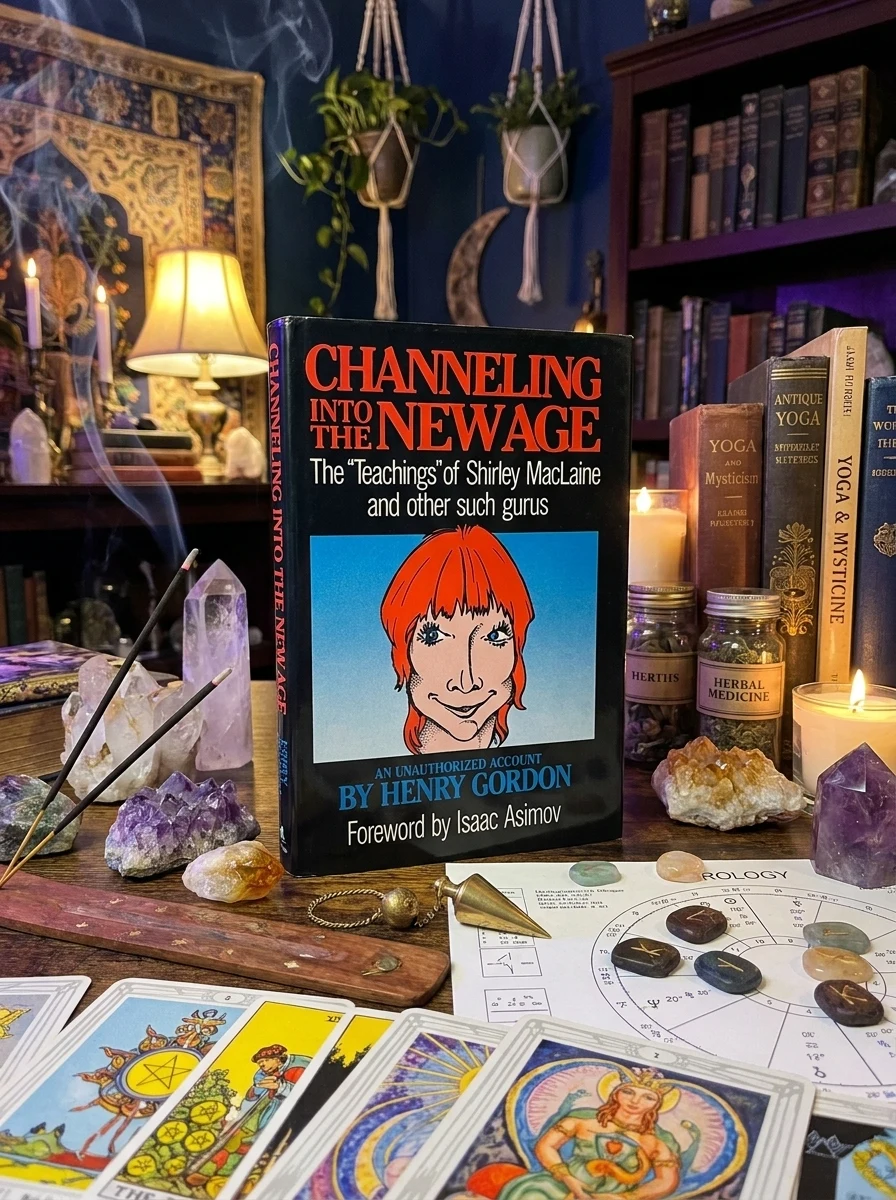


🏛 Books from this publisher Prometheus Books
All books from this publisher →
You might also like
See more →


Have a question about this item?
Ask about the edition, condition, delivery or anything else — we reply by email or phone, usually within a day.
