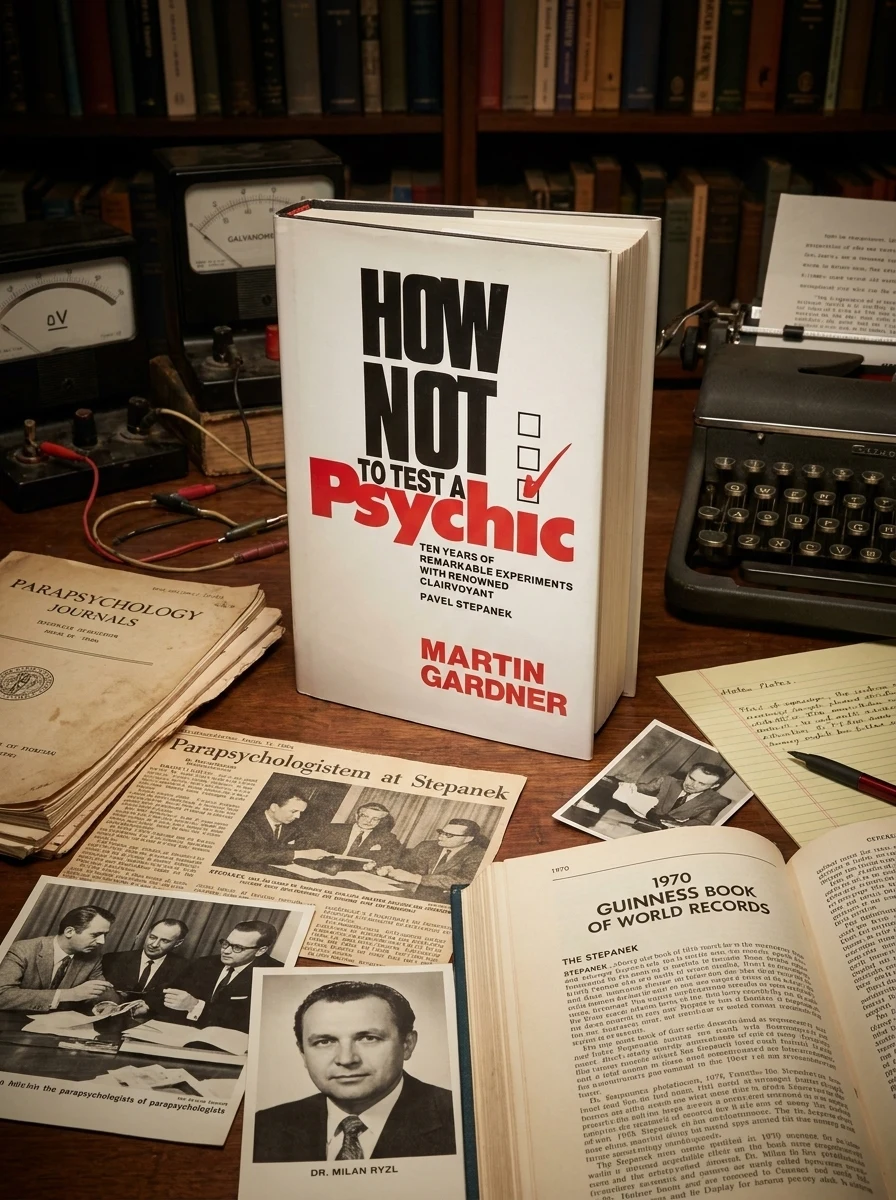
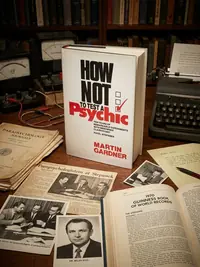
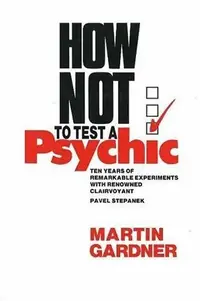
How Not to Test a Psychic
This edition can be ordered. No arrival date is confirmed.
Martin Gardner dismantles the legend of the world's greatest psychic with surgical precision and logic.
This work systematically deconstructs the myth of Pavel Stepanek, once hailed by Guinness as the superior clairvoyant. Gardner exposes the symbiotic relationship between the psychic and his promoters, including Dr. Milan Ryzl and Joseph Gaither Pratt, who profited from his fame. By rigorously analyzing twenty-five test reports, the author reveals how subtle methods of deception and flawed experimental design inflated Stepanek’s success rates. The text serves as a masterclass in critical thinking, demonstrating that parapsychological claims often crumble under the weight of scrutiny, revealing fraud where believers saw miracles.
This work sits firmly within the tradition of skeptical inquiry and scientific rationalism, challenging the pervasive allure of parapsychology by applying rigorous logical scrutiny to claimed supernatural phenomena.


📝 Description: How Not to Test a Psychic
💎 Expert review
📖 Why choose it
Why this book is worth reading
Readers who cherish intellectual integrity and the pursuit of truth will find immense value in this text. It is ideal for those interested in the mechanics of belief, the psychology of fraud, and the importance of rigorous testing. Gardner offers a masterclass in critical thinking, showing how easily human perception can be manipulated by promoters seeking profit. Those weary of unexamined claims about psychic phenomena will appreciate the surgical precision with which the author dismantles myths. It empowers readers to question authority and demand evidence, transforming skepticism from a cynical stance into a constructive tool for understanding reality.
⭐ Reader reviews
Reader rating
Bought this as a gift for my sister and ended up ordering a second copy for myself. The historical context alone makes it worth the price. Shipping was quick too.
Gardner’s dissection of Pavel Stepanek is intellectually stimulating but may frustrate those seeking validation for paranormal beliefs. The book is not for the faint of heart or the devout believer in psychic miracles; it relentlessly exposes fraud and flawed methodology without offering comfort to wishful thinkers. While the logical rigor is impeccable, readers looking for spiritual exploration or anecdotal evidence of the supernatural will find little here. It is a cold, hard look at deception, suitable only for those willing to sacrifice comforting illusions for the clarity of truth.
❓ Frequently asked questions
📖 Who should read this
Readers interested in the history of skepticism, critical thinking, and the intersection of psychology and pseudoscience will find this essential. It is vital for anyone questioning supernatural claims with rational analysis.
🎯 Key themes and symbolism
Parapsychological Fraud
Critical Skepticism
Experimental Methodology
💬 Quotes from the book
“The 'perfect score' of 50 correct guesses was not a miracle, but a failure of control.”
“Careers were significantly enhanced by the promotion of this psychic celebrity.”
📜 Historical context
📚 Glossary
- Parapsychology
- Guinness Book of World Records
- Deception Techniques
📔 Questions to reflect on
- How often do we accept extraordinary claims because they come from a trusted authority?
- What role does confirmation bias play in your own evaluation of unexplained phenomena?
- Can you identify a modern example where professional incentives might compromise scientific integrity?
🏛 Books from this publisher Prometheus Books
All books from this publisher →
 83
83
You might also like
See more →
 90
90
 89
89