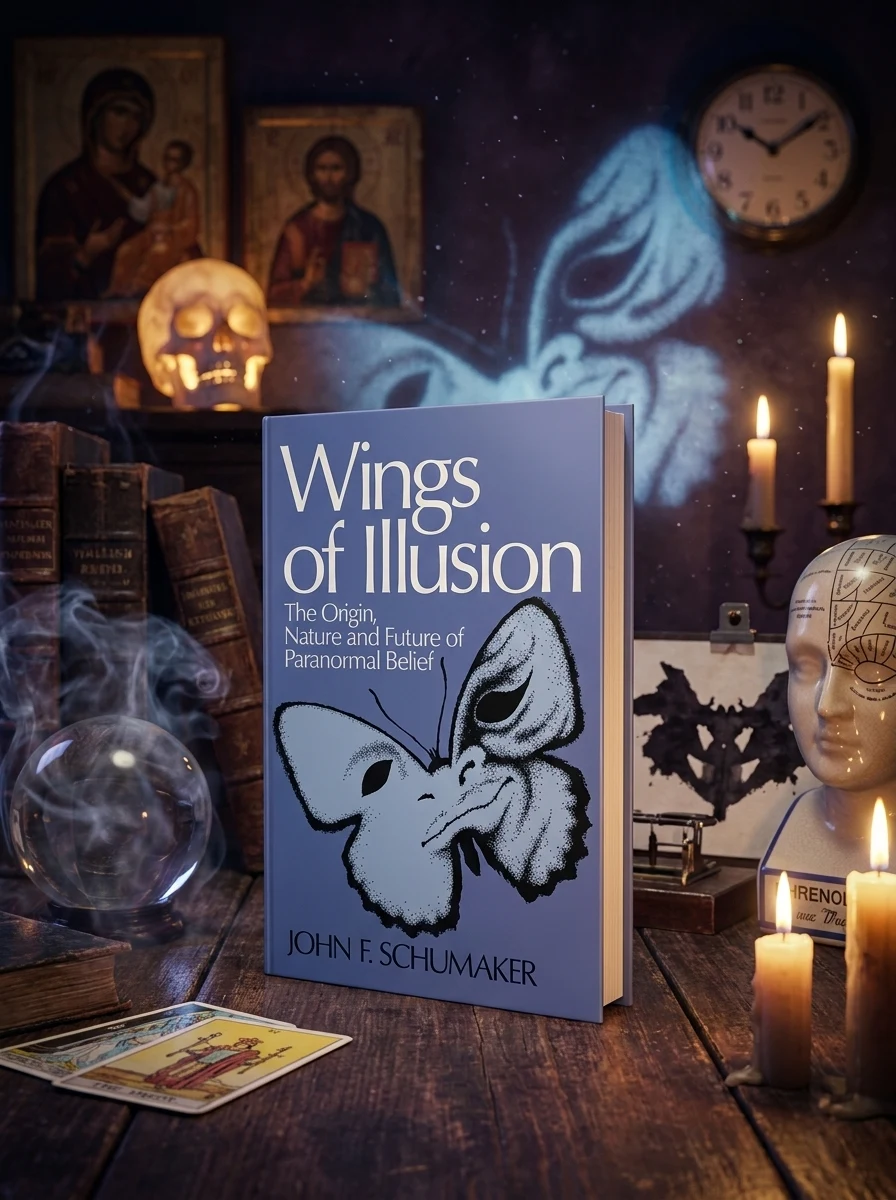
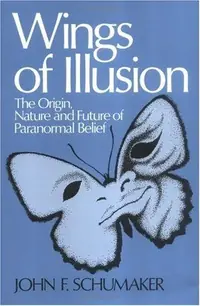
Wings of Illusion: The Origin, Nature, and Future of Paranormal Belief
This edition can be ordered. No arrival date is confirmed.
Unmasking the psychological roots of the paranormal, this book reveals reality's hidden illusions.
Dive into a compelling analysis of paranormal belief, presented not as a mystical phenomenon but as a fundamental human psychological construct. John F. Schumaker challenges conventional views, arguing these reality-defying convictions, including religious faiths, are universally present. This work meticulously explores the psychological underpinnings of such widespread beliefs, questioning their purpose and the societal costs they incur. It's a profound journey into the human psyche, examining why we cling to illusions and what this means for our collective evolution, offering a unique perspective.
This work sits firmly within the secular critique of esoteric traditions, challenging mystical narratives through psychological analysis rather than supernatural endorsement. It aligns with the skeptical inquiry found in modern humanist literature that dissects the origins of paranormal and religious convictions.


📝 Description: Wings of Illusion: The Origin, Nature, and Future of Paranormal Belief
💎 Expert review
📖 Why choose it
Why this book is worth reading
Readers seeking a rational framework for understanding the pervasive allure of the paranormal will find this text indispensable. It is ideal for those intrigued by the intersection of psychology and belief systems, offering a clear-eyed look at why humans construct reality-defying illusions. If you are fascinated by the societal costs of these convictions or wish to understand the psychological roots behind religious faiths and paranormal ideas, this book provides a profound journey into the human psyche. It challenges conventional views and offers a unique perspective on our collective evolution, making it essential for anyone questioning the nature of their own beliefs.
⭐ Reader reviews
Reader rating
Schumaker delivers a compelling dissection of paranormal belief as a psychological construct rather than a mystical truth. The analysis is rigorous, exploring why these illusions persist and their impact on society. However, readers seeking validation for supernatural experiences or those deeply attached to traditional esoteric interpretations will likely find the tone dismissive and unsatisfying. This is not a guide for practitioners but a critical examination from an outsider's perspective. It demands an open mind willing to confront uncomfortable truths about human nature and the universal presence of these convictions, making it less suitable for dogmatic believers.
❓ Frequently asked questions
📖 Who should read this
If you're fascinated by the human mind's capacity for belief, or seek to understand the societal role of faith and superstition from a critical psychological perspective, this book is for you. It offers a thought-provoking lens for anyone curious about why we believe what we believe.
🎯 Key themes and symbolism
Universal Nature of Belief
The book highlights how belief systems defying conventional reality are an intrinsic part of all human cultures, transcending societal and technological advancements. It posits that even as traditional structures weaken, the human need for some form of "paranormal" conviction persists across individuals globally.
Psychological Origins of Illusion
Schumaker delves deep into the mental processes that give rise to what he defines as paranormal beliefs. Rather than validating their objective truth, the author investigates the psychological mechanisms and cognitive functions that compel individuals to embrace concepts beyond empirical verification.
Societal Implications & Future
This work extends its analysis beyond individual psychology, exploring the broader societal impact of widespread illusory beliefs. It contemplates the functional roles these convictions play in human societies and critically assesses the potential long-term consequences and "price" humanity pays for maintaining such pervasive systems.
💬 Quotes from the book
“The truly profound mystery is not *what* people believe beyond the tangible, but *why* such beliefs are an inescapable, universal tapestry woven into every human culture.”
“To understand the 'wings of illusion' is to confront not just individual delusion, but the fundamental functions these beliefs serve, and the often unseen costs they extract from our collective human journey.”
📜 Historical context
📚 Glossary
- Paranormal Belief
- Reality-Defying Beliefs
- Psychological Origins
📔 Questions to reflect on
- Reflect on a personal belief that might be considered "reality-defying" by others. What psychological function does it serve for you?
- The book suggests paranormal beliefs are universal. How do you see this manifested in modern society, beyond traditional religious contexts?
- Consider the "price" mentioned by the author. What might be the societal or individual costs of widespread illusory beliefs in the long term?
🏛 Books from this publisher Prometheus Books
All books from this publisher →
 83
83


You might also like
See more →

 90
90
 89
89
 88
88