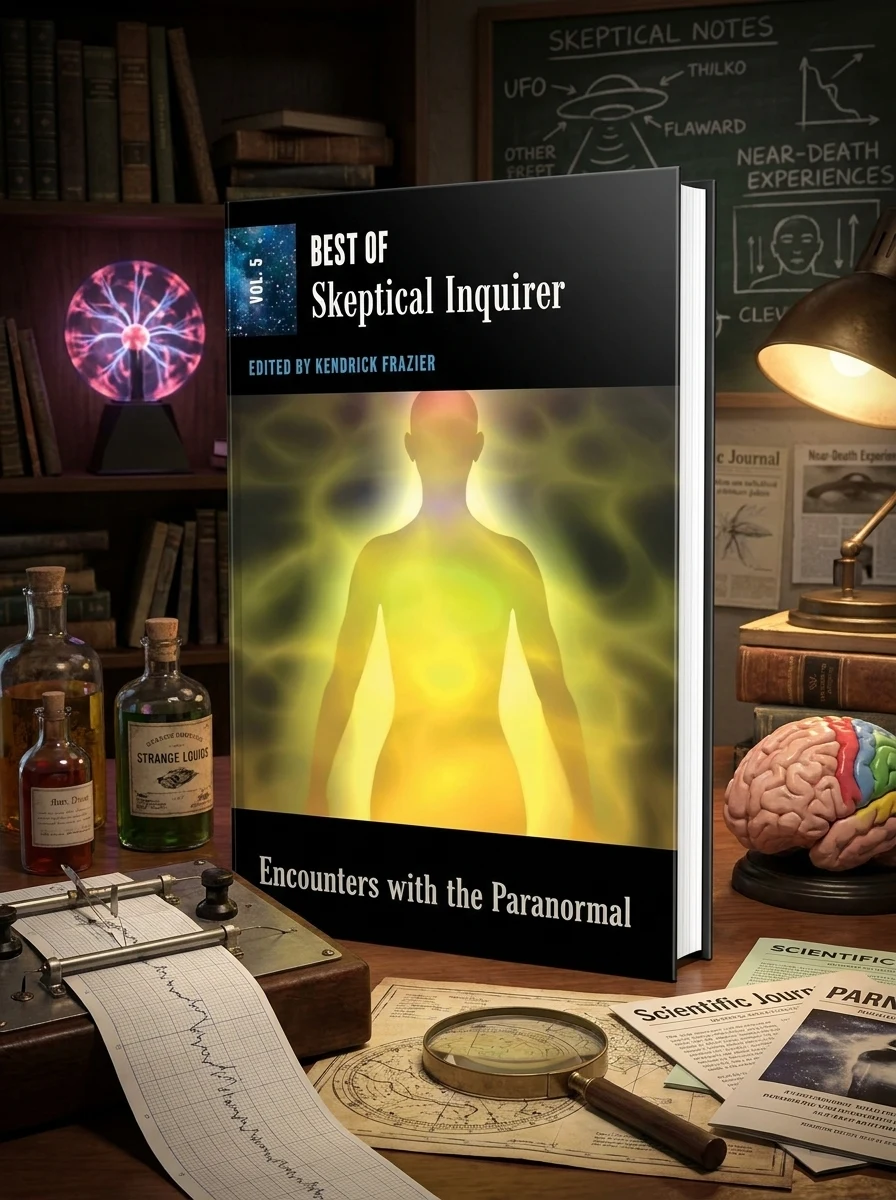
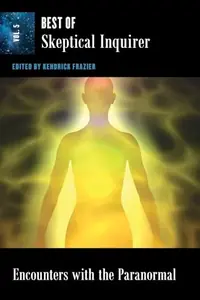
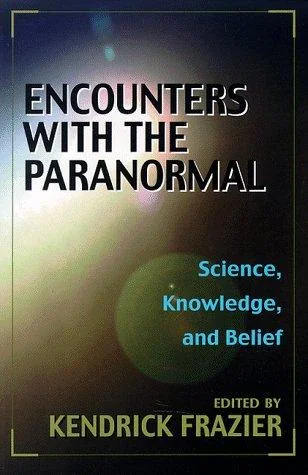
Encounters With the Paranormal: Best of Skeptical Inquirer
Frazier, KendrickStock reported in the catalog; fulfillment is confirmed with your request.
Unmasking the uncanny: a rigorous examination of paranormal claims by scientific minds.
This compelling collection delves into the mysteries of the paranormal, presenting a robust, scientifically-grounded perspective on phenomena often shrouded in misconception. Edited by Kendrick Frazier, it gathers insights from esteemed experts across physical science, psychology, and philosophy. From questioning the reliability of polygraph tests and subliminal perception to dissecting UFO mythologies and near-death experiences, the book meticulously scrutinizes a broad spectrum of pseudoscientific assertions. It's an essential read for anyone seeking to understand the critical interplay between verifiable evidence and human belief, promoting a discerning approach to unexplained phenomena.
This work sits firmly within the tradition of scientific skepticism and critical inquiry, emerging as a counter-narrative to popular paranormal beliefs by applying rigorous analytical frameworks to unexplained phenomena. It represents a significant contribution to the ongoing dialogue between empirical evidence and human belief systems in modern cultural discourse.


📝 Description: Encounters With the Paranormal: Best of Skeptical Inquirer
💎 Expert review
📖 Why choose it
Why this book is worth reading
Readers who appreciate intellectual rigor and the pursuit of truth through evidence will find this collection deeply rewarding. It is ideal for those curious about the psychological and philosophical underpinnings of paranormal beliefs, offering a clear, unbiased lens to view phenomena like UFOs and near-death experiences. By dismantling misconceptions with scientific precision, it empowers readers to distinguish between verifiable facts and subjective belief, fostering a more discerning approach to the uncanny.
⭐ Reader reviews
Reader rating
This volume offers a robust, scientifically-grounded examination of paranormal claims, making it an essential resource for critical thinkers. However, it does not suit readers seeking validation of supernatural experiences or those preferring spiritual reassurance over empirical analysis. The tone is analytical rather than comforting, prioritizing logical scrutiny over emotional resonance. While some may find its deconstruction of myths dry, its value lies in its unflinching commitment to evidence. It is best for those willing to challenge their assumptions and engage with complex arguments regarding human perception and belief.
❓ Frequently asked questions
📖 Who should read this
If you're fascinated by the uncanny but demand intellectual rigor, or if you seek to sharpen your critical faculties against popular myths, this collection offers invaluable perspectives. It’s for anyone curious about the scientific deconstruction of paranormal claims and the foundations of skepticism.
🎯 Key themes and symbolism
Scientific Scrutiny of Belief
This volume deeply explores the inherent tension between scientific methodology and deeply held beliefs in extraordinary phenomena. It showcases how rigorous investigation can illuminate the underlying mechanisms behind seemingly inexplicable events, challenging the very foundations of pseudoscience with empirical evidence and unwavering critical reasoning.
Deconstructing Pseudoscience Claims
The book meticulously delves into specific examples of paranormal claims, such as purported telepathy, UFO sightings, and near-death experiences. Its numerous contributors meticulously dissect the available evidence, or critically highlight its absence, offering logical, often scientific explanations that expose the fallacies frequently underpinning such popular and sensational notions.
Perception, Reality, and Bias
Here, the reader gains insight into how human perception itself can be profoundly influenced and how our understanding of reality is shaped by both verifiable facts and compelling cultural narratives. It rigorously questions the reliability of memory and sensory input when confronted with extraordinary claims, urging a deeper, more informed understanding of cognitive biases.
💬 Quotes from the book
“Extraordinary claims demand extraordinary evidence, and for many alleged paranormal phenomena, that evidence remains conspicuously absent.”
“Our perception of reality is a complex tapestry woven from sensory input, cognitive biases, and cultural narratives; understanding its limitations is crucial for discerning truth.”
📜 Historical context
📚 Glossary
- Pseudoscience
- ESP (Extrasensory Perception)
- Skeptical Inquiry
📔 Questions to reflect on
- Reflect on a time you encountered a seemingly inexplicable event. How might the principles discussed in this book offer an alternative, critical perspective on that experience?
- Consider the relationship between personal belief and scientific evidence. Where do you draw the line, and why do you think critical inquiry is sometimes perceived as a threat to deeply held beliefs?
- How does understanding cognitive biases, as explored in this collection, change your approach to evaluating information, especially concerning the paranormal or sensational claims you encounter?
✍️ More books by this author Frazier, Kendrick
All books by this author →
🏛 Books from this publisher Prometheus Books
All books from this publisher →
 83
83
You might also like
See more →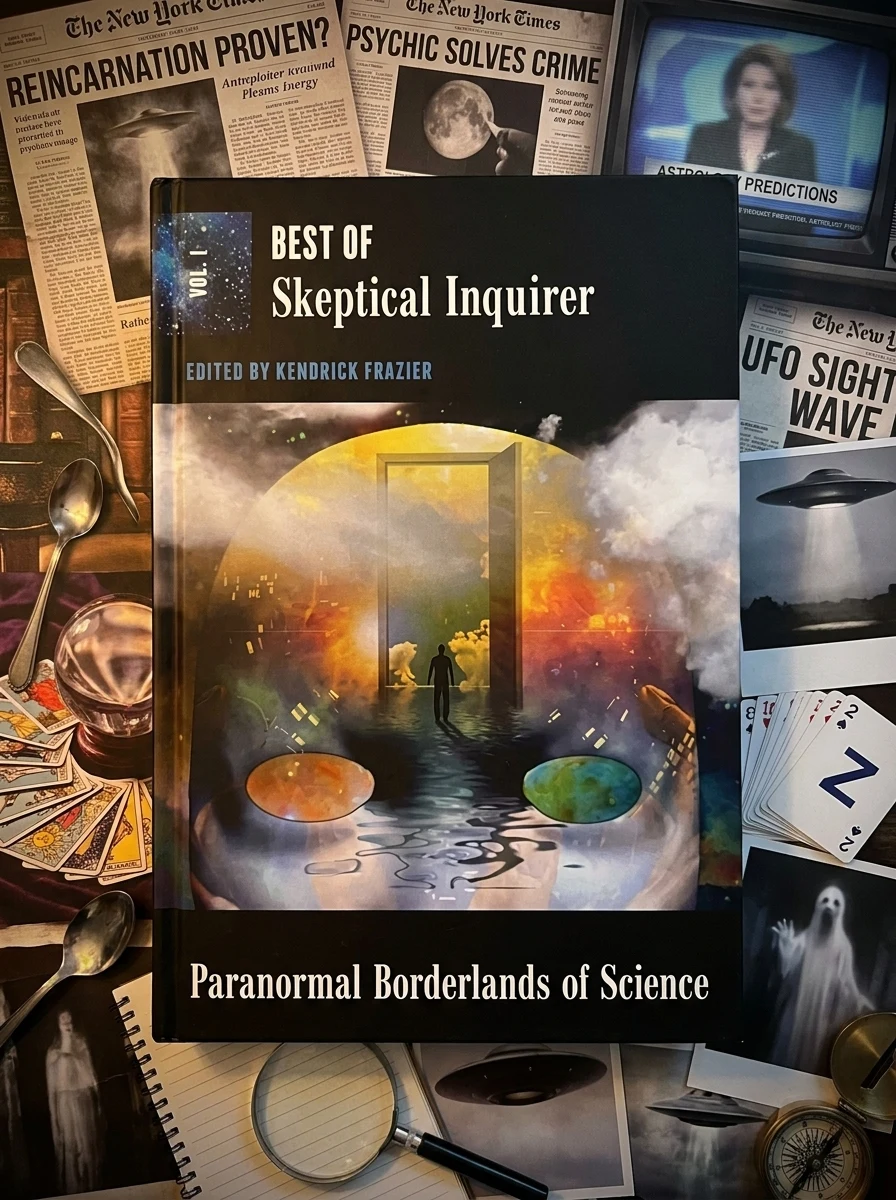
 88
88
 90
90
 89
89
