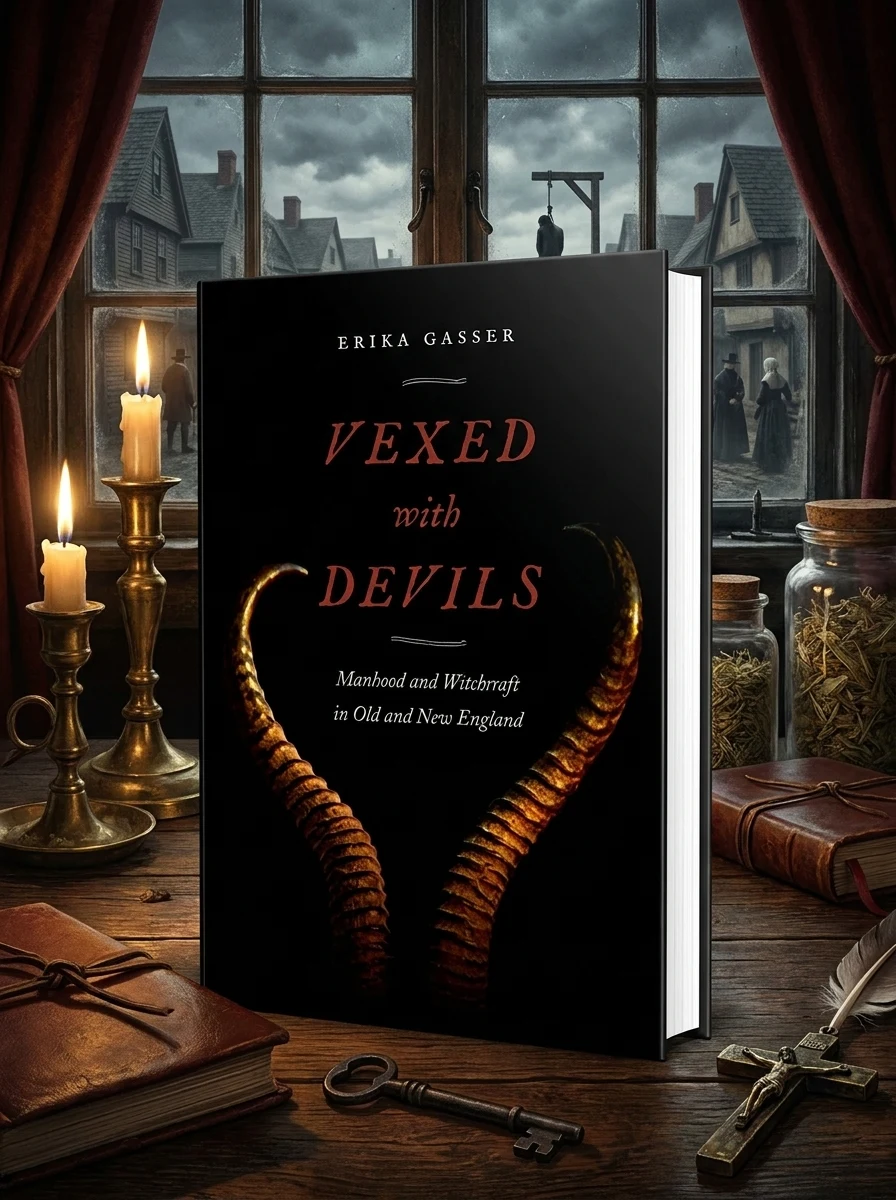

Vexed with Devils: Manhood and Witchcraft in Old and New England - Ingram Academic Gasser, Erika
Gasser, Erika

Stock reported in the catalog; fulfillment is confirmed with your request.
Uncover the hidden masculine anxieties fueling witchcraft accusations across two continents.
Erika Gasser's "Vexed with Devils" meticulously re-examines the pervasive phenomena of witchcraft and demonic possession, spanning from early modern England to colonial New England. This groundbreaking cultural history shifts focus to the often-overlooked role of men and the undercurrents of patriarchal power in these dramatic episodes. By analyzing how male anxieties, societal expectations, and power dynamics influenced accusations, interpretations of symptoms, and legal proceedings, Gasser reveals a crucial dimension previously missing from traditional accounts, offering a more complete understanding of these tumultuous periods.
This work belongs to the tradition of early modern cultural history, specifically focusing on gender studies within the context of European and colonial witchcraft trials. It contributes to scholarly debates regarding patriarchal power structures and masculine identity in Old and New England.


📝 Description: Vexed with Devils: Manhood and Witchcraft in Old and New England - Ingram Academic Gasser, Erika
💎 Expert review
📖 Why choose it
Why this book is worth reading
Scholars and history enthusiasts deeply interested in the intersection of gender dynamics and religious hysteria will find immense value in this text. It offers a vital corrective to traditional narratives by centering male anxiety and patriarchal power rather than solely focusing on female victims. Readers seeking to understand the sociological underpinnings of witchcraft accusations across two continents will appreciate the rigorous analysis of how societal expectations shaped legal proceedings and interpretations of demonic possession. This book is essential for anyone wishing to grasp the full complexity of these tumultuous periods beyond surface-level accounts.
⭐ Reader reviews
Reader rating
Gasser provides a meticulously researched cultural history that successfully shifts the analytical lens toward male anxieties in early modern England and colonial New England. While intellectually robust and groundbreaking in its focus on overlooked masculine dimensions, this academic volume may not suit casual readers or those seeking narrative-driven popular histories of witchcraft. It requires patience for dense theoretical frameworks and is best approached by those with an existing interest in gender studies or early modern legal history rather than general occult enthusiasts.
❓ Frequently asked questions
📖 Who should read this
If you're captivated by the historical intersection of gender, power, and the supernatural, this book is essential reading. Delve into the complexities of early modern belief systems and uncover the often-hidden masculine dimensions that shaped one of history's most fascinating and chilling phenomena. Ideal for historians, gender studies scholars, and anyone curious about witchcraft's true origins.
🎯 Key themes and symbolism
Masculinity and Accusation
This work deeply explores how contemporary definitions of manhood and patriarchal societal structures profoundly influenced witchcraft accusations and possession narratives. It investigates how male authority, perceived vulnerabilities, and societal expectations for men intersected with fears of the demonic, shaping who was accused, who was believed, and how these events unfolded in both England and New England.
Ambiguous Afflictions
Gasser scrutinizes the bewildering array of symptoms associated with demonic possession, such as fits, visions, and speaking in tongues. The book delves into how these afflictions were interpreted, often blurring lines between genuine illness, deliberate deception, and diabolical intervention. It highlights the role of public opinion and cultural beliefs in dictating whether these symptoms were seen as external attacks or internal corruption.
Transatlantic Connections
Moving beyond localized studies, the book powerfully demonstrates the intellectual and cultural continuities between witchcraft cases in early modern England and colonial New England. It reveals how shared anxieties, legal precedents, and evolving interpretations of demonic influence traveled across the Atlantic, linking diverse communities through a common understanding of spiritual threats and their perceived remedies.
💬 Quotes from the book
“The interpretation of demonic possession often served as a mirror reflecting societal anxieties about masculine authority and its perceived vulnerabilities.”
“Far from isolated incidents, the transatlantic flow of ideas about witchcraft profoundly shaped both the accusations and the defenses offered in court.”
📜 Historical context
📚 Glossary
- Demonic Possession
- Patriarchal Power
- Early Modern Period
📔 Questions to reflect on
- How might prevailing societal anxieties about gender and power in our own time influence contemporary perceptions of unexplained phenomena or societal deviance?
- Reflect on a historical event you're familiar with. How might re-examining it through the lens of gendered power dynamics alter your understanding?
- Consider the ambiguity of symptoms described in the book. How do we, as a society, distinguish between spiritual, psychological, or physiological causes for distress today?
📖 From the series “Early American Places”
All books in the series →
✍️ More books by this author Gasser, Erika
All books by this author →🏛 Books from this publisher New York University Press
All books from this publisher →

You might also like
See more →