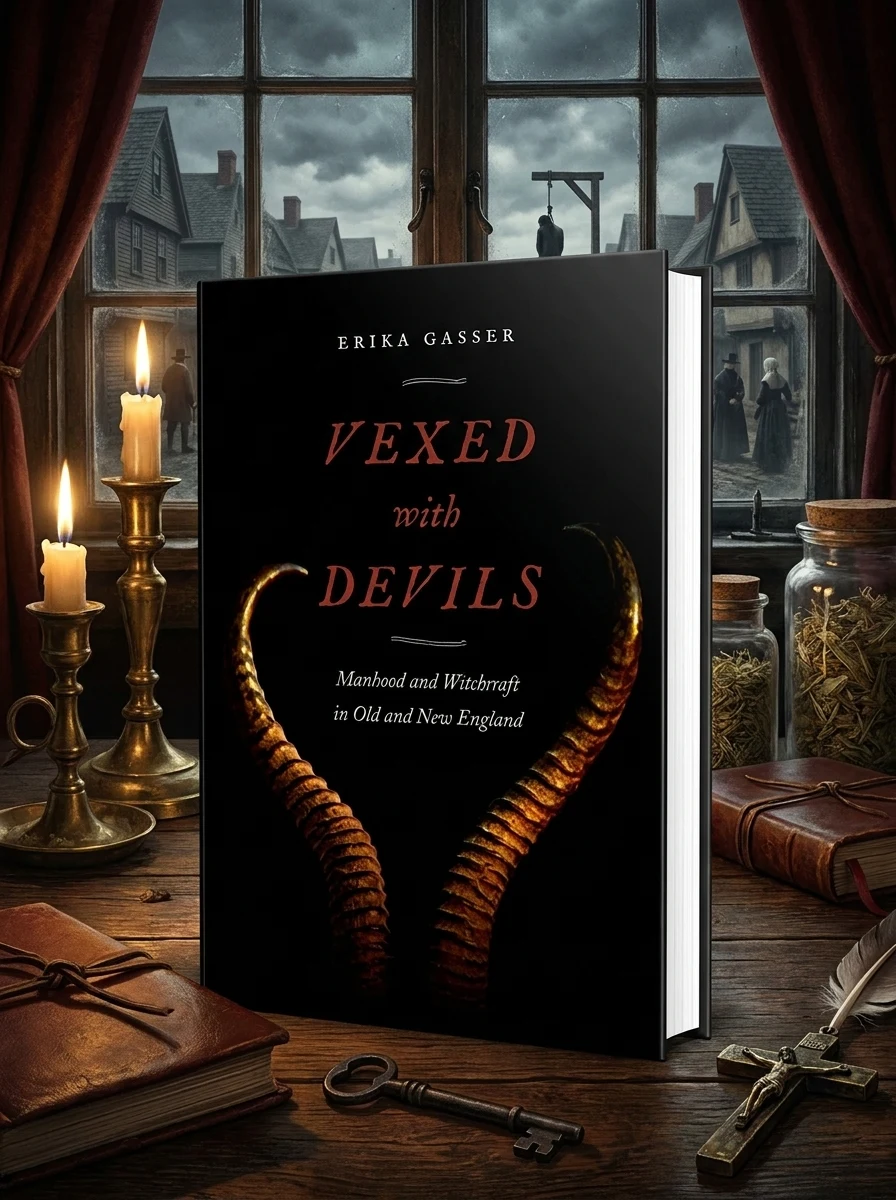
Vexed with Devils: Manhood and Witchcraft in Old and New England - Ingram Academic Gasser, Erika
Gasser, ErikaStock reported in the catalog; fulfillment is confirmed with your request.
Unmasking the hidden role of manhood in the spectral dramas of witchcraft and demonic possession.
Erika Gasser's compelling study, "Vexed with Devils," recontextualizes the infamous phenomena of witchcraft and demonic possession across early modern England and colonial New England. Eschewing traditional focuses on female accused, this work unearths how patriarchal power structures and evolving concepts of masculinity profoundly shaped both the accusations and interpretations of these supernatural afflictions. Gasser masterfully reveals that these historical events were not merely tales of superstition, but complex social narratives deeply intertwined with the maintenance and contestation of male authority within communities. It's a vital re-examination of a well-trodden historical path.
This academic study situates itself within the historiography of early modern England and colonial New England, challenging traditional narratives of witchcraft by focusing on male agency. It belongs to the tradition of social history that re-examines patriarchal power structures through the lens of supernatural accusations.


📝 Description: Vexed with Devils: Manhood and Witchcraft in Old and New England - Ingram Academic Gasser, Erika
💎 Expert review
📖 Why choose it
Why this book is worth reading
Scholars and enthusiasts of early modern gender studies will find this text indispensable for its bold shift in perspective. By unmasking the hidden role of manhood in spectral dramas, Gasser offers a vital re-examination of how male authority was maintained and contested during times of crisis. Readers interested in the intersection of power, gender, and superstition will appreciate how this work moves beyond the traditional focus on female accused to reveal the complex social narratives driving these accusations. It is essential for understanding the patriarchal underpinnings of witchcraft trials.
⭐ Reader reviews
Reader rating
Gasser provides a rigorous academic recontextualization of witchcraft phenomena, arguing that these events were deeply intertwined with the maintenance of male authority. While intellectually stimulating for those studying gender dynamics in early modern societies, this dense scholarly work may not suit casual readers seeking narrative-driven historical accounts or general audiences uninterested in theoretical frameworks surrounding patriarchal power structures.
❓ Frequently asked questions
📖 Who should read this
For scholars and enthusiasts alike, "Vexed with Devils" offers a fresh, critical lens on early modern witchcraft. If you seek to understand the deeper social and gendered underpinnings of these historical events, moving beyond simplistic narratives, this book will profoundly enrich your perspective.
🎯 Key themes and symbolism
Manhood's Spectral Influence
This book brilliantly excavates how masculine identity, anxiety, and authority were central, yet often overlooked, factors in both the accusations of witchcraft and the experiences of demonic possession. It argues that men were not just bystanders but active participants whose roles fundamentally shaped these societal dramas, challenging the conventional, female-centric view of witch trials.
Power & Interpretation
Gasser dissects the intricate power dynamics at play, demonstrating how the interpretation of supernatural symptoms—fits, visions, antipathy to prayer—was deeply subjective and often manipulated. She reveals how these interpretations were wielded to reinforce or challenge existing social hierarchies, particularly concerning who held sway within a community, linking them directly to patriarchal structures.
Transatlantic Witchcraft Link
The study meticulously connects the seemingly disparate witchcraft and possession cases of Old England with those of colonial New England. It highlights the shared cultural anxieties and legal precedents that traveled across the Atlantic, while simultaneously underscoring how local contexts, particularly regarding evolving notions of manhood, created unique manifestations of these universal fears.
💬 Quotes from the book
“The anxieties surrounding male authority, particularly in times of societal flux, frequently found their expression not in overt political discourse, but in the spectral theater of witchcraft accusations.”
“To truly understand the 'fits' and 'visions' of the possessed, one must look beyond the purely spiritual, recognizing them as culturally mediated performances reflecting profound gendered tensions.”
📜 Historical context
📚 Glossary
- Witchcraft
- Demonic Possession
- Patriarchal Power
📔 Questions to reflect on
- Consider how contemporary anxieties about gender and power might manifest in modern-day supernatural or conspiratorial beliefs.
- Reflect on how historical interpretations of "symptoms" (e.g., mental illness, physical ailments) have been shaped by prevailing social and gender norms.
- How might our understanding of historical events change if we consistently re-examined them through an inverted lens, focusing on previously marginalized or overlooked perspectives like male roles in witchcraft?
📖 From the series “Early American Places”
All books in the series →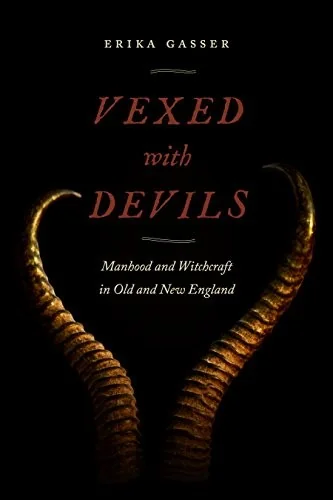
✍️ More books by this author Gasser, Erika
All books by this author →🏛 Books from this publisher New York University Press
All books from this publisher →

You might also like
See more →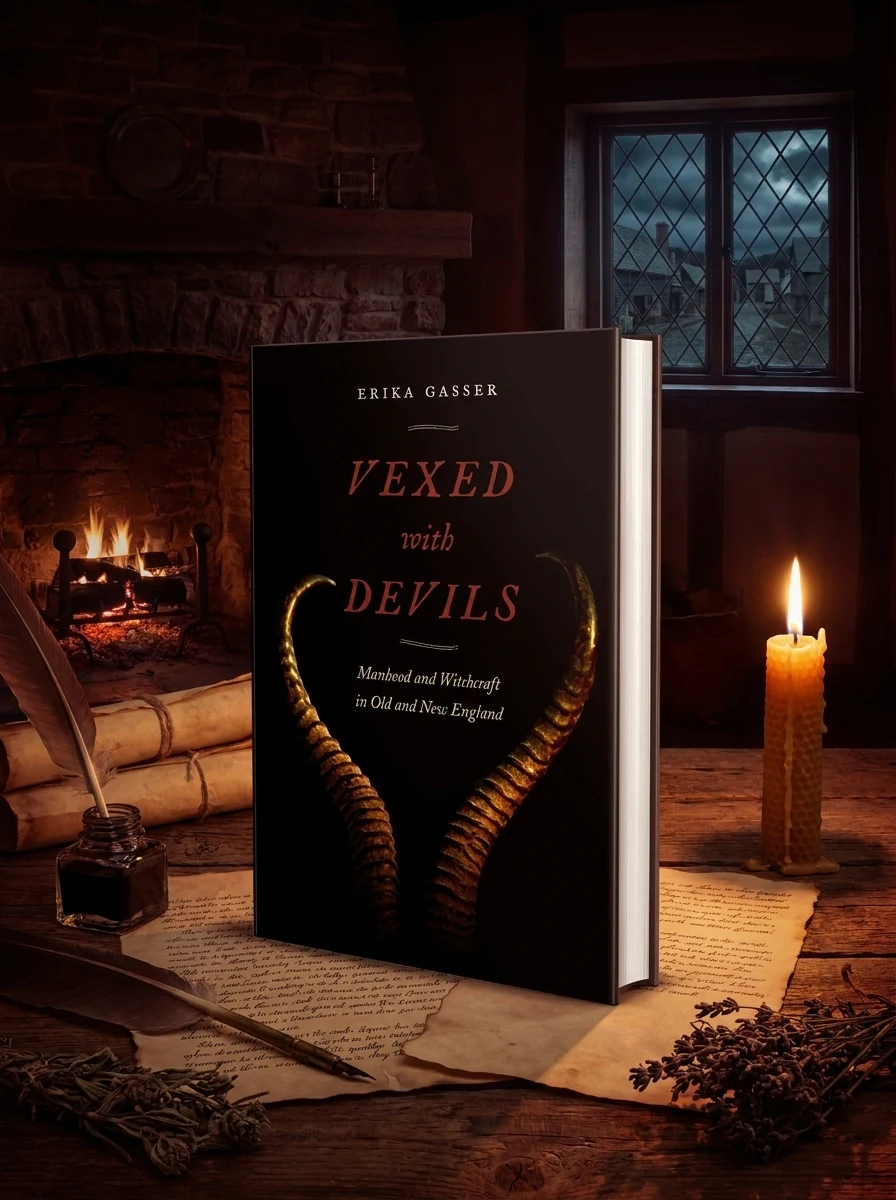
 91
91