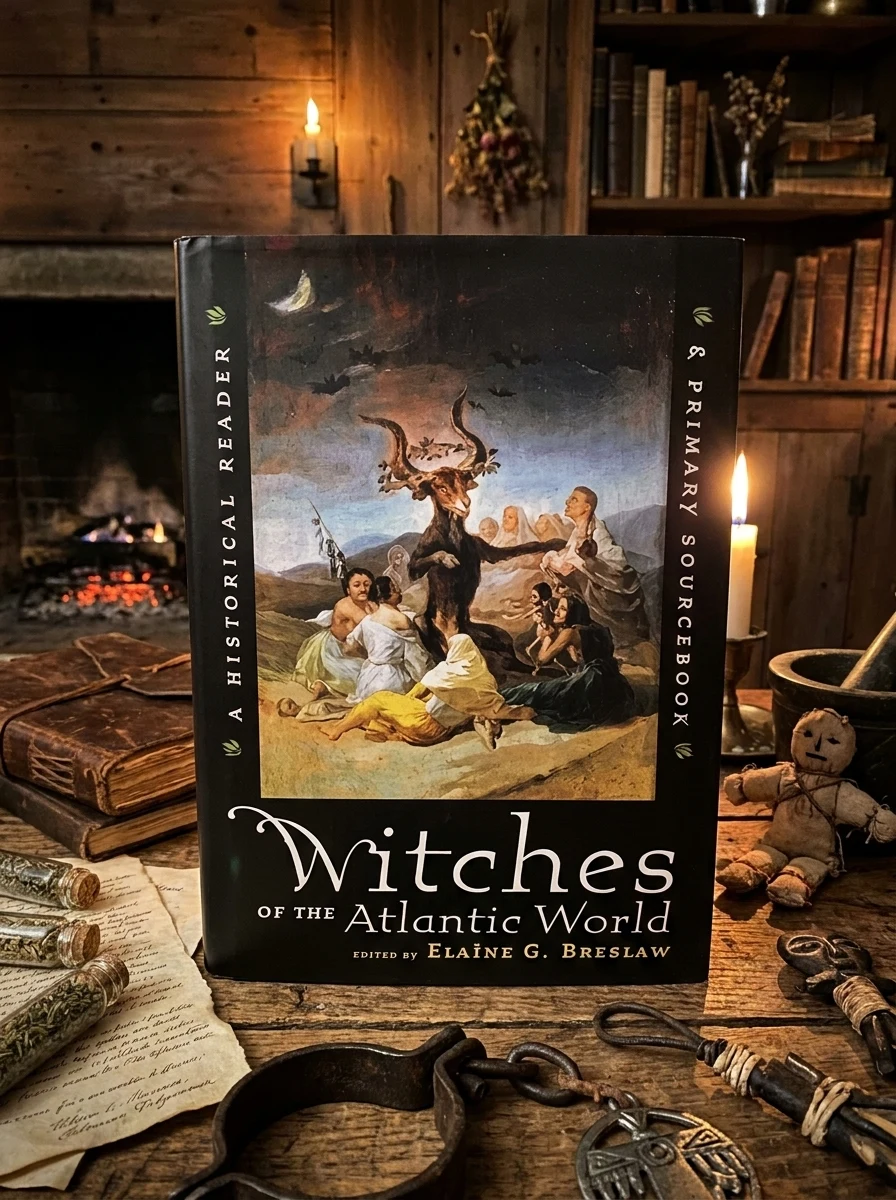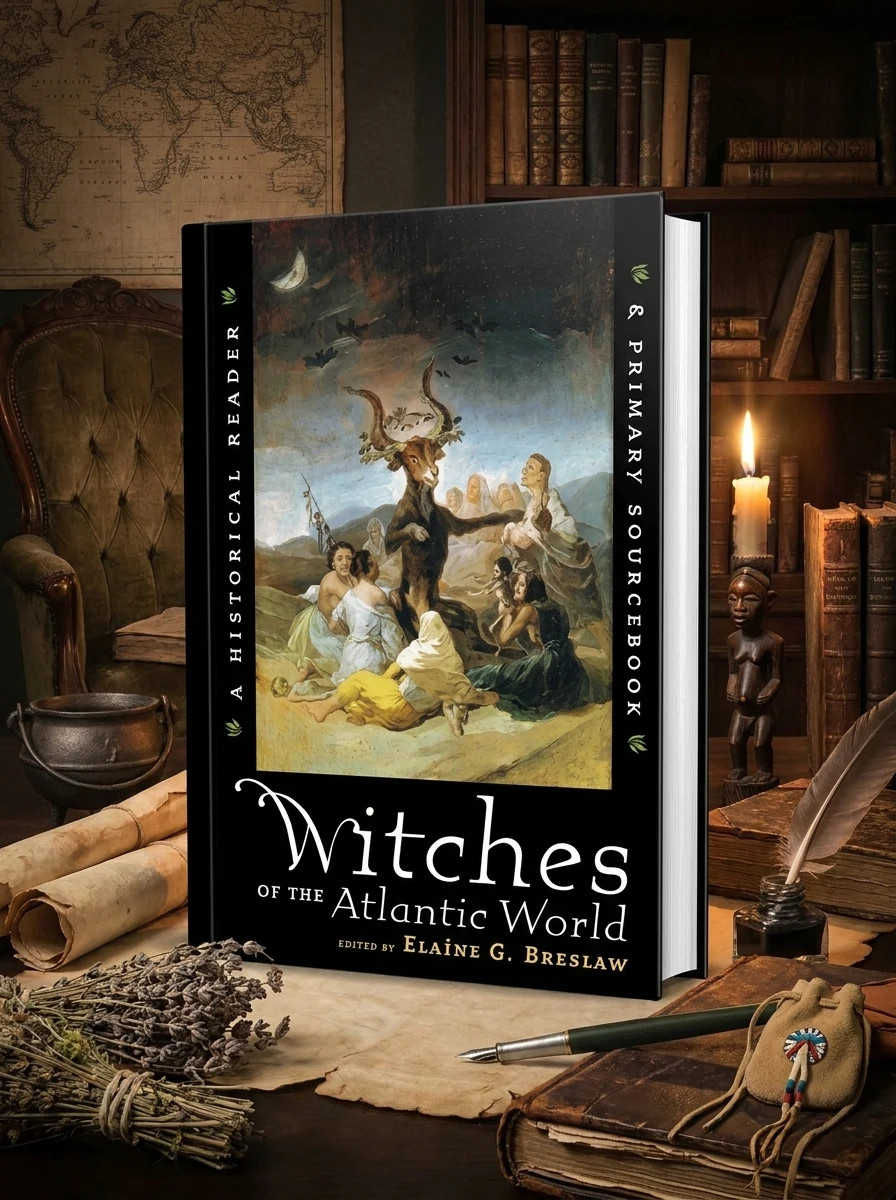
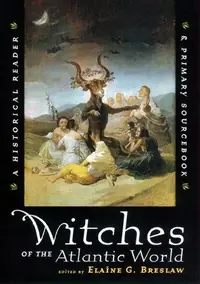
Witches of the Atlantic World: An Historical Reader and Primary Sourcebook
Breslaw, Elaine G 84
84
 Editorial score
How we rate
Editorial score
How we rate
Stock reported in the catalog; fulfillment is confirmed with your request.
Unearth the chilling, untold stories of witchcraft across the Atlantic World.
This groundbreaking anthology offers an unparalleled, cross-cultural examination of witchcraft from the 15th to 18th centuries. It uniquely blends essential primary historical documents with insightful academic analysis, moving beyond traditional narratives. Delving into Indigenous American, African, and South American perspectives alongside European and New England accounts, it reveals how diverse societies grappled with evil, misfortune, and perceived demonic influence. The collection illustrates how various cultural and religious traditions shaped the complex phenomenon of witchcraft in the nascent Americas, providing a truly global historical context.
This volume sits firmly within the scholarly tradition of Atlantic history and early modern religious studies, bridging the gap between anthropological inquiry and historical documentation regarding European colonialism and indigenous interactions. It serves as a critical primary source collection that challenges Eurocentric narratives by integrating African, Indigenous American, and South American perspectives into the broader discourse on witchcraft.


📝 Description: Witches of the Atlantic World: An Historical Reader and Primary Sourcebook
💎 Expert review
📖 Why choose it
Why this book is worth reading
Scholars, graduate students, and serious enthusiasts of early modern history will find this anthology invaluable for its rigorous approach to untold narratives. It offers a rare opportunity to engage directly with primary documents that have been largely overlooked in mainstream witchcraft studies. By weaving together diverse cultural viewpoints from the Atlantic World, it provides essential context for understanding how different societies conceptualized evil and misfortune during the 15th to 18th centuries. Readers seeking to move beyond traditional European-centric accounts will appreciate the depth of cross-cultural analysis, making this an indispensable resource for anyone committed to a more global and inclusive understanding of historical witchcraft phenomena.
⭐ Reader reviews
Reader rating
This anthology is a significant academic contribution that successfully expands the scope of witchcraft studies beyond the usual suspects. However, it is strictly a scholarly work requiring patience and academic inclination; casual readers or those seeking sensationalist folklore will find it dry and dense. The text demands engagement with complex historical analysis rather than offering easy entertainment. It is not suitable for beginners looking for introductory guides or practical magical advice. Only those prepared to navigate rigorous primary sources and cross-cultural comparisons will find the experience rewarding, making it a specialized tool for researchers rather than a general audience bestseller.
❓ Frequently asked questions
📖 Who should read this
If you're drawn to the multifaceted history of magic, religious conflict, and cultural exchange, this book is for you. Scholars and enthusiasts of early American history, religious studies, and comparative folklore will find its primary sources and diverse perspectives invaluable for deepening their understanding.
🎯 Key themes and symbolism
Multicultural Witchcraft Perspectives
This volume expands the traditional view of witchcraft beyond European shores, incorporating voices and beliefs from Native American, African, and South American traditions. It highlights how these diverse cultural lenses shaped the understanding and responses to perceived malevolent magic and misfortune in the colonial era, offering a truly global historical context for a often-misunderstood phenomenon.
Demonic Possession & Evil
The collection deeply investigates how both Christian and non-Christian societies interpreted and combated forces of evil and instances of demonic possession. It provides historical documents and scholarly insights into the psychological, social, and religious frameworks people used to explain and control what they perceived as malevolent spiritual influence during this turbulent period of exploration and conquest.
Gender in Accusations
The book dedicates a section to the pivotal role of gender in accusations and perceptions of witchcraft. It explores how societal norms, religious beliefs, and power dynamics significantly influenced who was accused and how they were tried, particularly within the contexts of early American and European witch hunts, revealing underlying social anxieties.
💬 Quotes from the book
“The afflicted child cried out, describing spectral tormentors, a vision echoed in the fearful whispers of the town.”
“Understanding these diverse beliefs allows us to see witchcraft not as a monolithic superstition, but as a complex cultural response to an uncertain world.”
📜 Historical context
📚 Glossary
- Primary Sourcebook
- Atlantic World
- Diabolical Possession
📔 Questions to reflect on
- How did varying cultural understandings of 'evil' contribute to the diverse manifestations of witchcraft accusations across the Atlantic World?
- Reflect on how historical attitudes towards gender influenced who was most often accused of witchcraft and the nature of those accusations.
- Considering the primary sources, what parallels can you draw between historical responses to misfortune and modern societal attempts to control perceived threats?
✍️ More books by this author Breslaw, Elaine G
All books by this author →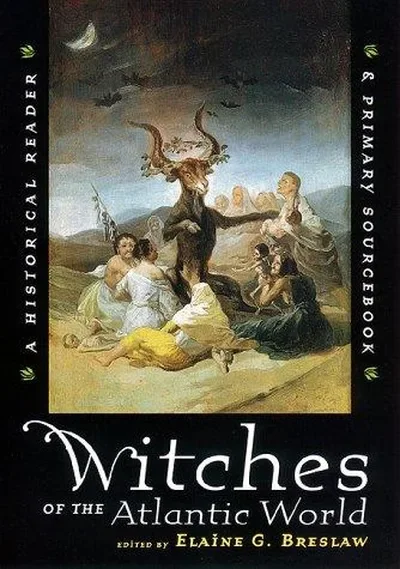
🏛 Books from this publisher New York University Press
All books from this publisher →

You might also like
See more →