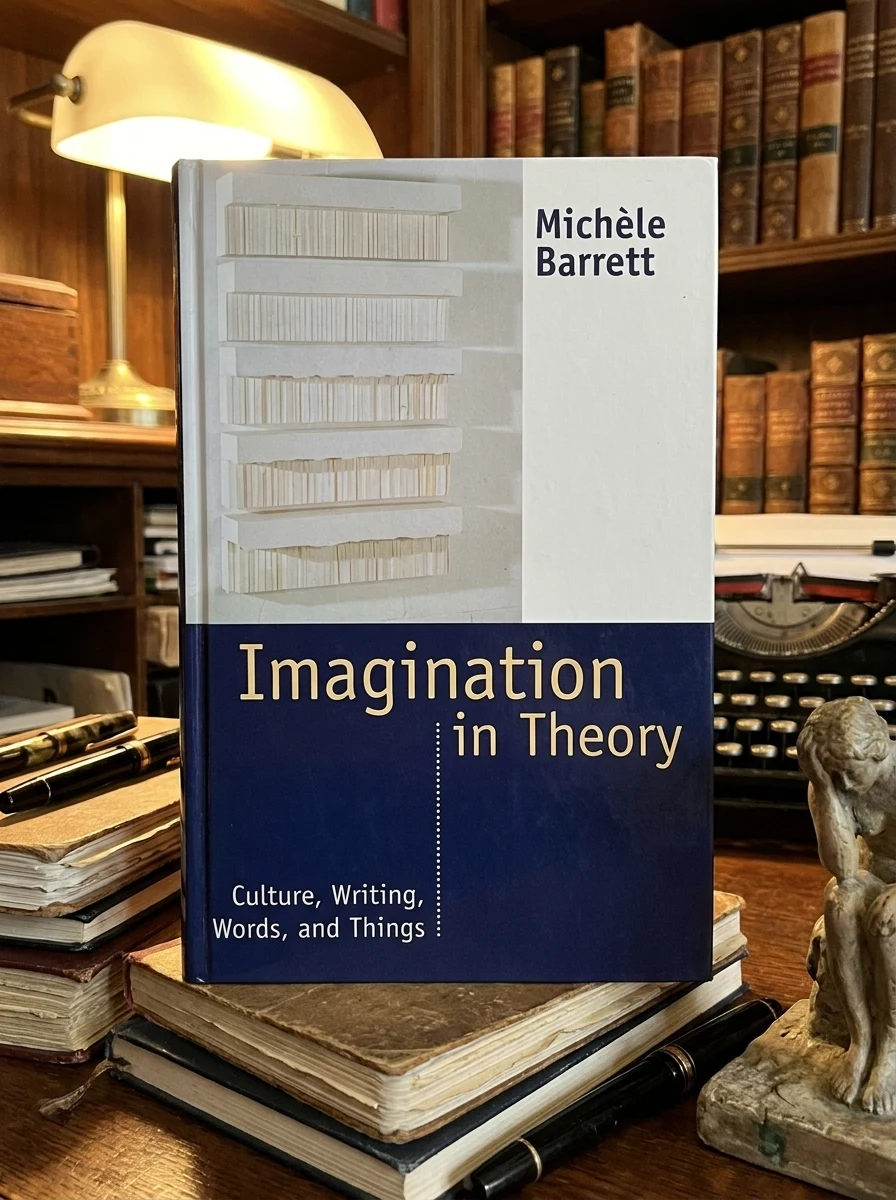
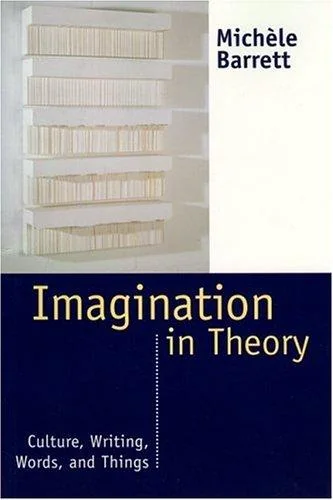
Imagination in Theory: Culture, Writing, Words, and Things
✍️ Barrett, MicheleA theoretical study of culture, writing, and feminist history by Michele Barrett.
Barrett supplements Marxist thought while interacting with post-structuralist ideas to explain current developments in social theory. She situates postmodernism within postmodernity rather than treating it as an abstract concept. The work covers the disciplinary constitution of study objects and the writerliness of theory. It also addresses humanism, anti-humanism, and ecological responsibility. Barrett brings these complex topics into popular culture before ending with a specific analysis involving Virginia Woolf and Michel Foucault.
Published by New York University Press in March 1999, this hardcover volume belongs to the Social Science category. It addresses sociology and general subjects within the context of late twentieth-century academic discourse.


Praise for this book
“Michèle Barrett engages timely issues in great range and depth: humanism, anti-humanism, and ecological responsibility; the disciplinary constitution of objects of study and the writerliness of theory; the relationship of politics and aspiration. She supplements Marxism, interacts with post-structuralism, situates postmodernism in postmodernity, and remains firmly focused on historical change within feminism.”
📝 Description: Imagination in Theory: Culture, Writing, Words, and Things
💎 Expert review
📖 Why choose it
Why this book is worth reading
Readers deeply invested in the mechanics of social construction and feminist theory will find this volume indispensable. Barrett offers a rigorous yet accessible exploration of how imagination shapes our reality, making it essential for scholars seeking to understand the theoretical underpinnings of identity and power. Those who appreciate dense, conceptual writing that challenges conventional views on language and culture will gain profound insights into how we weave the fabric of society through thought. It is particularly valuable for educators and theorists looking to bridge the gap between abstract philosophical concepts and tangible social discourse.
⭐ Reader reviews
Reader rating
Michele Barrett presents a sophisticated argument that imagination is foundational to social theory, offering a fresh perspective on cultural discourse. However, this text is strictly academic and demands significant intellectual effort from its audience. It does not suit casual readers seeking entertainment or straightforward self-help advice. Those uncomfortable with dense theoretical jargon or abstract feminist critiques may find the material inaccessible and dry. This book is best reserved for dedicated students of philosophy and sociology who are prepared to engage with complex ideas about writing, power, and identity without expecting narrative simplicity.
❓ Frequently asked questions
📖 Who should read this
For the discerning seeker of profound insights into how our inner worlds shape collective realities. If you ponder the power of narrative in societal change, or the subtle currents of feminist critique, this volume beckons. It is essential reading for anyone interested in cultural studies, critical theory, or the philosophy of language.
🎯 Key themes and symbolism
The Cultural Tapestry
Barrett meticulously examines how imagination is intrinsically woven into the fabric of societal constructs and expressions. She explores how cultural narratives, myths, and shared understandings are not simply reflective of reality, but are actively shaped and sustained by our collective imaginative faculties, influencing everything from art to social norms.
Feminist & Social Critiques
This book offers a critical lens on how imagination functions within both social and feminist theory. Barrett investigates how prevailing imaginative constructs can reinforce or challenge existing power dynamics and gender roles. Her work empowers readers to recognize and deconstruct these imaginative underpinnings for a more equitable understanding of society.
Language as Creation
Beyond mere communication, Barrett explores the profound role of writing and words as acts of imaginative world-building. She argues that the very process of articulating ideas—especially within theoretical frameworks—is a creative act, shaping reality as much as it describes it. Language becomes a crucible where new understandings are forged.
📜 Historical context
📚 Glossary
- Imagination
- Cultural Theory
- Feminist Theory
📔 Questions to reflect on
- How does collective imagination influence contemporary social movements or cultural shifts, and how might we consciously steer it?
- Reflect on a personal instance where your imagination directly shaped your understanding of a societal issue, and consider the implications of this insight.
- In what ways can the act of writing become a potent tool for challenging established cultural narratives and fostering new theoretical possibilities?
📖 Read on the blog
✍️ More books by this author Barrett, Michele
All books by this author →


🏛 Books from this publisher New York University Press
All books from this publisher →



You might also like
See more →




Have a question about this item?
Ask about the edition, condition, delivery or anything else — we reply by email or phone, usually within a day.
