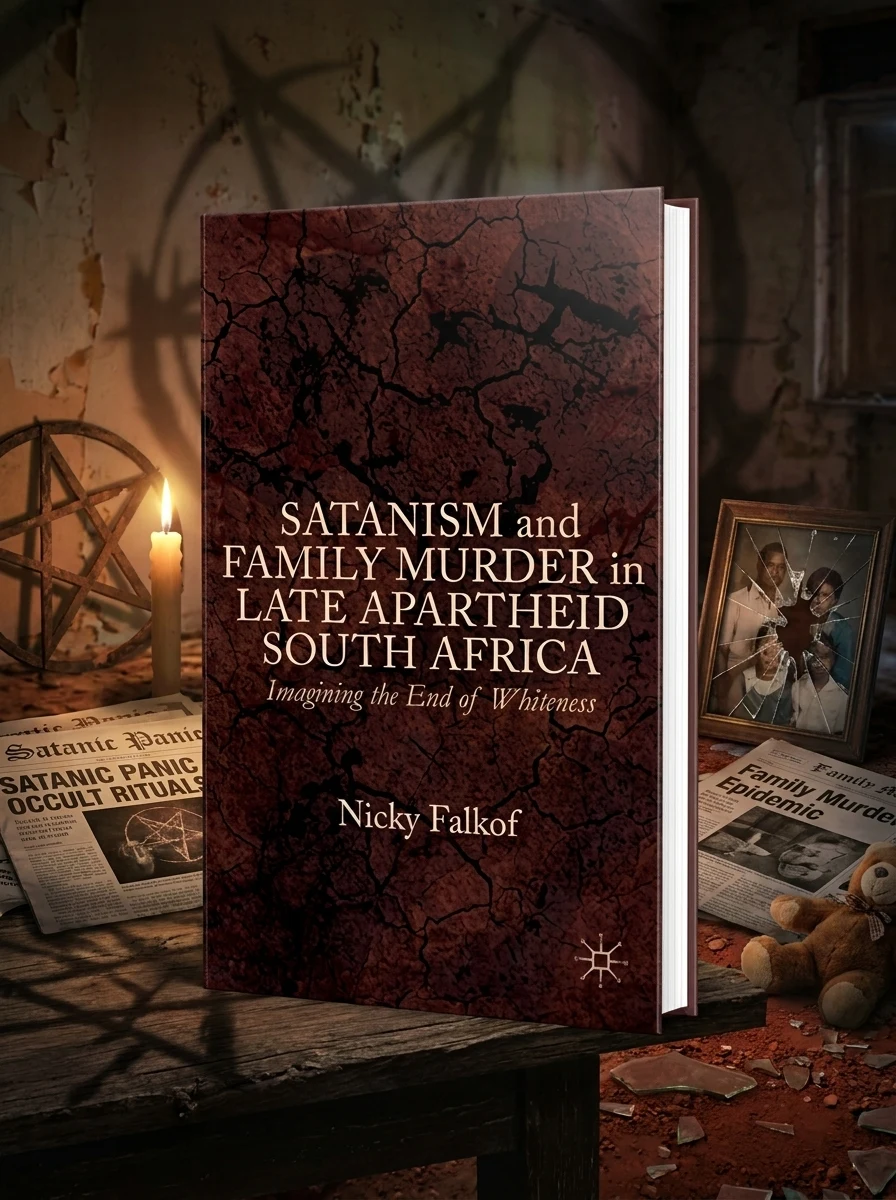
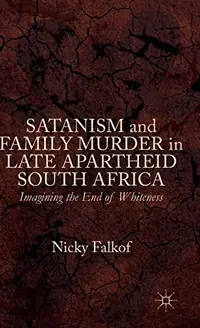
Satanism and Family Murder in Late Apartheid South Africa: Imagining the End of Whiteness (2015)
Stock reported in the catalog; fulfillment is confirmed with your request.
Unmasking the dark anxieties of a dying regime through its most unsettling moral panics.
Explore the unsettling undercurrents of late apartheid South Africa through an examination of two pervasive moral panics: the fear of Satanism and the perceived rise in white family murders. This insightful study delves into how these media-fueled anxieties served as potent, albeit distorted, reflections of a society grappling with profound social and political transformation. Discover how these seemingly disparate phenomena illuminated the deep-seated tensions and the imagined collapse of a dominant racial identity, offering a unique lens into a tumultuous historical period and its psychological fallout.
This work situates itself within the critical study of late apartheid South Africa, analyzing how societal anxieties regarding racial identity and political transformation manifested in specific moral panics. It bridges occult studies with historical sociology to examine the psychological fallout of a dying regime.


📝 Description: Satanism and Family Murder in Late Apartheid South Africa: Imagining the End of Whiteness (2015)
💎 Expert review
📖 Why choose it
Why this book is worth reading
This book is essential for readers interested in the intricate intersection of politics, race, and the occult. It offers a profound look at how fear was weaponized during the collapse of apartheid, revealing the deep psychological tensions underlying white dominance. You will gain insight into how media-fueled anxieties about Satanism and family violence served as distorted reflections of social change. It is particularly valuable for those seeking to understand the cultural mechanisms that sustain or dismantle racial hierarchies. By examining these unsettling moral panics, the text illuminates the imagined collapse of a dominant identity. This study provides a unique lens into a tumultuous period, helping readers comprehend the complex emotional and political landscape of late apartheid South Africa through the specific prism of its most feared phenomena.
⭐ Reader reviews
Reader rating
Falkof delivers a rigorous academic analysis that may feel dense to casual readers seeking narrative thrills rather than scholarly critique. The text focuses heavily on the sociological implications of moral panics, which can be dry for those expecting sensationalist accounts of Satanism. It is not suitable for readers who prefer straightforward historical timelines over complex theoretical frameworks regarding racial identity and psychological fallout. However, for scholars and serious students of South African history or occult sociology, this work provides indispensable clarity on how fear operated as a political tool during the regime's final days.
❓ Frequently asked questions
📖 Who should read this
If you're drawn to the intersection of social anxieties, political upheaval, and the dark undercurrents of societal change, this profound analysis offers a unique perspective. Essential reading for students of cults, critical race theory, and South African history.
🎯 Key themes and symbolism
Moral Panics & Social Reflection
Delves into how widespread public fears, particularly around Satanism and domestic violence, function as distorted mirrors of societal anxieties during periods of intense political and social upheaval. It examines the mechanisms through which these panics are amplified and understood.
Imagining Racial Identity's Demise
Explores the psychological and cultural impact of a dominant racial group facing the perceived end of its hegemonic power. The book investigates how fears like family murder symbolized an internal breakdown within the white community as apartheid crumbled.
Apartheid's Lingering Anxieties
Unpacks the specific context of late apartheid South Africa, demonstrating how the regime's impending collapse generated unique forms of societal stress. It reveals how seemingly unrelated phenomena were deeply intertwined with the political landscape of a nation in transition.
💬 Quotes from the book
“The specter of Satanism, while ostensibly about spiritual corruption, served as a potent, albeit displaced, metaphor for the internal decay of a system struggling to maintain its moral authority.”
“White family murder, when viewed through the lens of a crumbling racial hierarchy, became an internalized expression of the societal violence inherent in apartheid's final throes.”
📜 Historical context
📚 Glossary
- Moral Panic
- Apartheid
- End of Whiteness
📔 Questions to reflect on
- How do contemporary moral panics in your own society reflect underlying anxieties about social or political change?
- In what ways might a dominant group's perceived loss of power manifest in cultural narratives or public fears?
- Consider how media representation can shape and amplify collective anxieties around sensitive social issues.
🏛 Books from this publisher Palgrave MacMillan
All books from this publisher →



You might also like
See more →

 82
82