Evolving Southwest Indian Jewelry Schiffer, Nancy N
Schiffer, Nancy NThis edition can be ordered. No arrival date is confirmed.
Tracing the soulful evolution of Native American metalwork from trader-era roots to modern masterpieces.
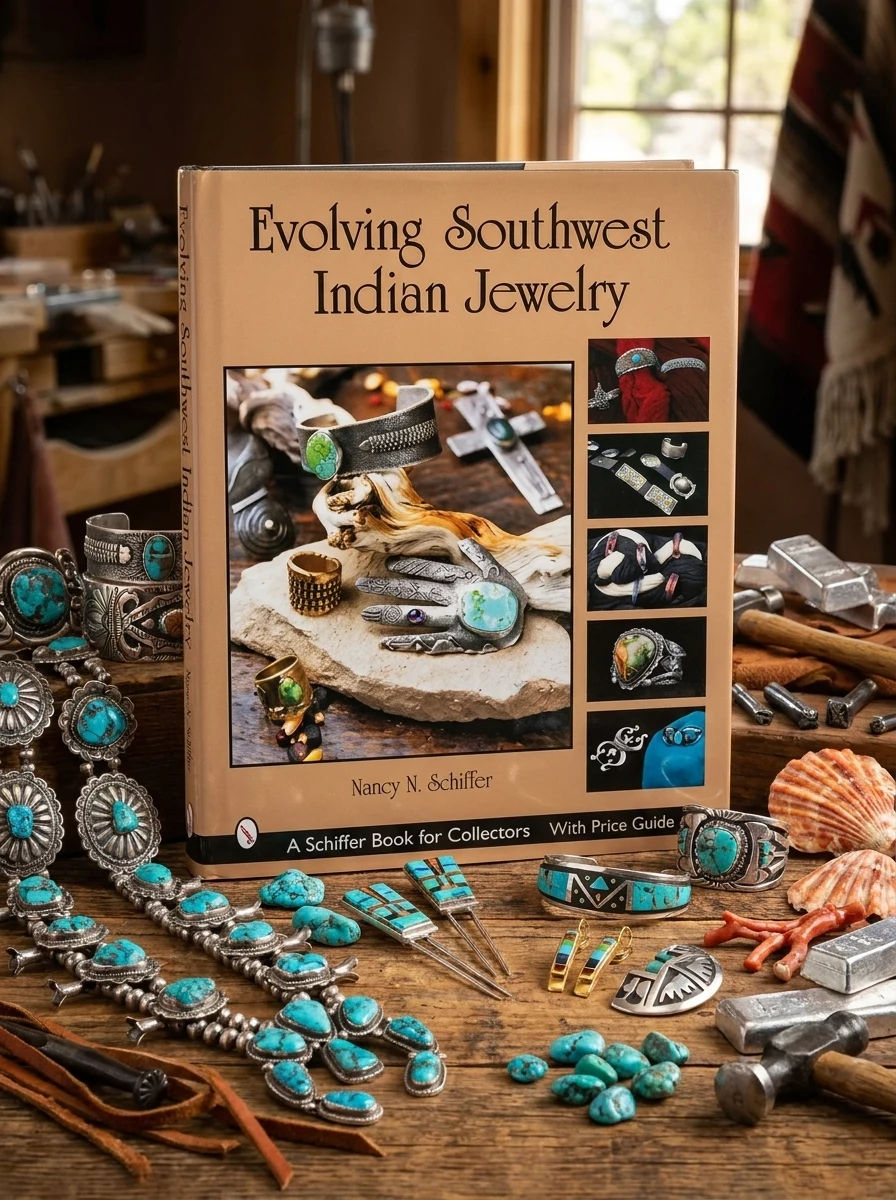
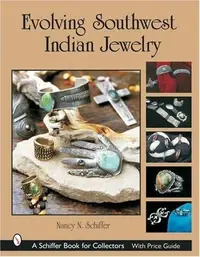
This volume serves as an essential chronicle of Southwest indigenous jewelry, mapping the intricate journey of artistic expression from the late nineteenth century to contemporary times. Through more than five hundred vivid color images, the text illuminates the shifting aesthetics of Navajo, Zuni, Hopi, and Pueblo artisans. It explores how changing materials and techniques reshaped traditional forms like squash blossom necklaces and squash blossom buckles. By highlighting both historical benchmarks and living masters, the book provides a rich, tactile history of a craft that balances heritage with innovation.
This volume anchors itself within the rich tradition of Southwest indigenous arts, specifically documenting the trajectory of Native American metalwork and jewelry making. It situates the craft within its historical evolution from trader-era origins to contemporary artistic expressions.


📝 Description: Evolving Southwest Indian Jewelry Schiffer, Nancy N
💎 Expert review
📖 Why choose it
Why this book is worth reading
Readers with a deep appreciation for artisanal heritage and material culture will find immense value in this comprehensive chronicle. It is ideal for collectors, historians, and anyone fascinated by the tactile history of Southwest indigenous crafts. The book offers a warm, accessible journey through the shifting aesthetics of Navajo, Zuni, Hopi, and Pueblo artisans. By illuminating over five hundred vivid color images, it allows enthusiasts to trace how traditional forms like squash blossom necklaces evolved alongside new materials and techniques. This volume bridges the gap between past benchmarks and living masters, providing a rich context for understanding how these artists balance heritage with innovation. It is a must-read for those seeking to understand the soulful evolution of this enduring artistic legacy.
⭐ Reader reviews
Reader rating
I collect works on this subject and this is a worthy addition. The text itself is dense but rewarding — you get out what you put in. The language takes some getting used to, but it becomes part of the charm. My only quibble is the cover feels thinner than expected. Good, with the caveats above.
Was skeptical at first. The language takes some getting used to, but it becomes part of the charm. You can tell why this work has endured. Some archaic spellings slow things down. Happy enough with the purchase.
Ordered this after seeing it referenced in another book I was studying. Challenging in places, but never needlessly obscure. You can tell why this work has endured. Five stars from me.
First purchase from this shop. Some sections stopped me cold in the best way. It's become a regular reference in my practice. Delivery took a bit longer than quoted.
I've read excerpts online before, but having the full text is different. Not a light read, but far more accessible than I feared. Plenty of passages worth underlining; my copy is already full of margin notes. The font runs small in the appendices. Solid, if not essential.
Not my usual area but wanted to branch out. Not a light read, but far more accessible than I feared. Highly recommend to serious students.
Schiffer’s work stands as an essential visual guide for those interested in the intricate journey of Southwest indigenous jewelry. The inclusion of more than five hundred color images provides a tangible sense of the craft’s beauty and complexity. However, readers seeking dense theoretical analysis or academic critique may find the focus on aesthetic evolution and historical mapping somewhat lightweight. It is not suited for those who prefer textual scholarship over visual documentation. Instead, it excels as a vivid chronicle of artistic expression from the late nineteenth century to today. The book successfully maps the shifting aesthetics of major tribes, making it a vibrant resource for enthusiasts rather than strict historians.
❓ Frequently asked questions
📖 Who should read this
Collectors, historians, and admirers of indigenous art who seek to understand the technical and cultural forces behind Southwest jewelry. It appeals to those who value provenance and the human stories embedded in every piece of silver and stone.
🎯 Key themes and symbolism
Material Alchemy
The text examines how the availability of turquoise, silver, and shell influenced design choices. It details the transition from simple trade goods to complex silverwork, showing how resource access dictated the visual language of each era and tribe, turning raw earth into cultural identity.
Stylistic Metamorphosis
Rather than static preservation, this work highlights dynamic change. It tracks how silversmiths adapted to market demands and internal artistic shifts, evolving from heavy, utilitarian pieces to delicate, intricate designs that reflect both personal vision and broader cultural currents over more than a century.
Artisan Lineage
The narrative honors the lineage of creators, connecting early traders and artists to today's living masters. It contextualizes individual works within family traditions and tribal identities, showing how technique is passed down while allowing room for personal innovation and the preservation of sacred symbolism.
💬 Quotes from the book
“The silver does not merely hold the stone; it frames the spirit of the earth.”
“Tradition is not a cage, but a compass for the modern hand.”
📜 Historical context
📚 Glossary
- Squash Blossom
- Naja
- Patina
📔 Questions to reflect on
- How does the introduction of new materials alter the emotional tone of a traditional craft?
- In what ways can jewelry serve as a living historical document rather than a static artifact?
- How might your own creative practices balance respect for tradition with the need for personal expression?
✍️ More books by this author Schiffer, Nancy N
All books by this author →


🏛 Books from this publisher Schiffer Publishing
All books from this publisher →
 89
89







You might also like
See more →
 75
75
 91
91
 91
91

 91
91