Victorian Paisley Shawls
This edition can be ordered. No arrival date is confirmed.
Uncover the woven secrets of Victorian elegance through three hundred rare, museum-quality paisley masterpieces.
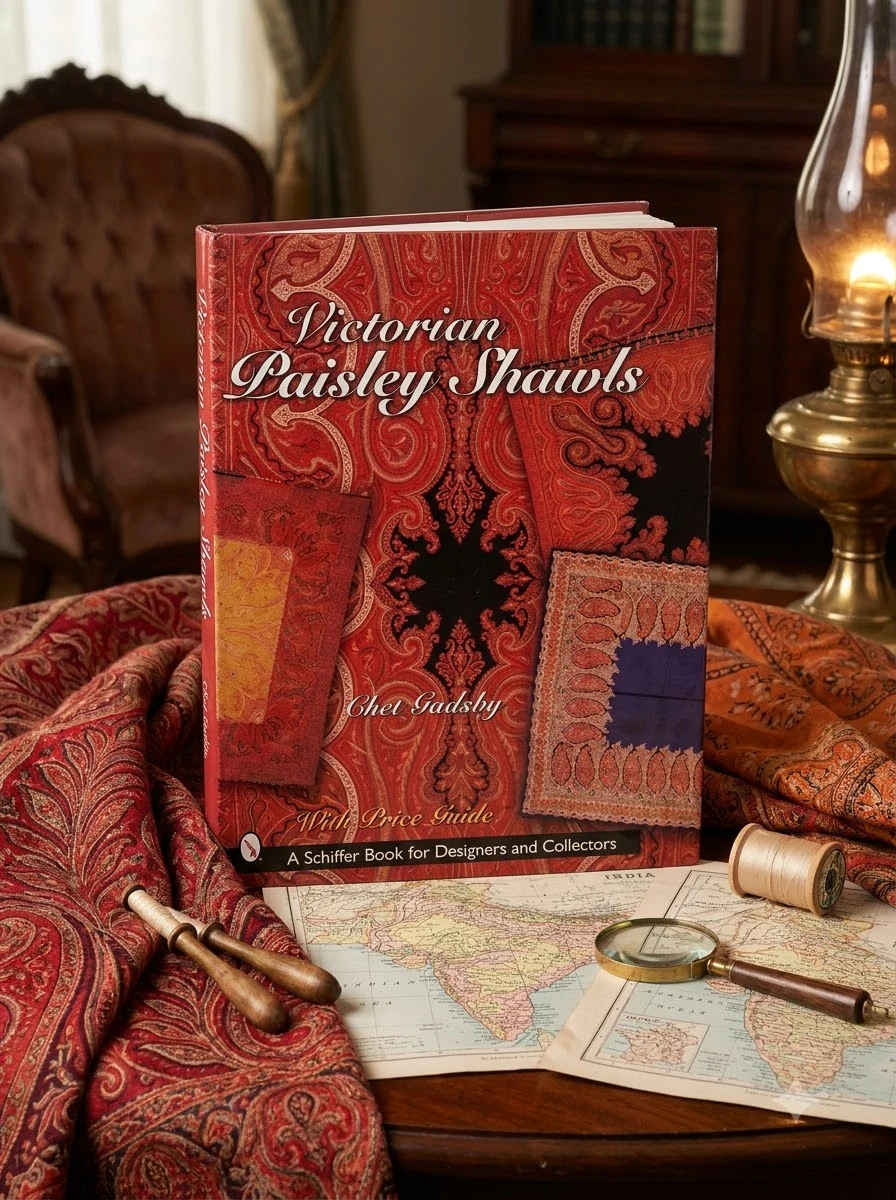
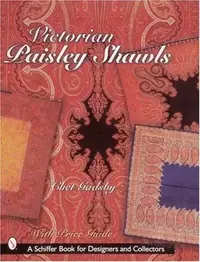
This volume celebrates the zenith of paisley shawl production, spanning from 1830 to the early 1900s. Gadsby presents over 300 vividly photographed examples, distinguishing between elongated and square formats. The work meticulously catalogs designs from India, Scotland, France, and beyond, highlighting the intricate craftsmanship of each era. Beyond visual appreciation, it serves as a practical guide for identification, offering crucial insights into dating, valuation, and the delicate care required to preserve these historical textiles for future generations.
This text situates itself within the rich tapestry of Victorian material culture and textile history, bridging the gap between fashion studies and historical preservation. It highlights the global trade networks that brought Indian motifs to Scottish and French looms during the nineteenth century.


📝 Description: Victorian Paisley Shawls
💎 Expert review
📖 Why choose it
Why this book is worth reading
Collectors of antique textiles and enthusiasts of Victorian elegance will find immense value in this comprehensive volume. Gadsby offers more than just visual pleasure; he provides a practical roadmap for identifying, dating, and valuing these intricate works. The detailed care instructions ensure that owners can preserve their investments, making it essential for serious hobbyists who wish to understand the craftsmanship behind each woven masterpiece. It transforms a simple appreciation of pattern into a deeper understanding of historical significance.
⭐ Reader reviews
Reader rating
First purchase from this shop. Some sections stopped me cold in the best way. I'd have loved an index, but that's on the original text. Recommended with reservations.
Honestly wasn't sure what to expect, but I'm impressed. Not a light read, but far more accessible than I feared. Still worth having on the shelf.
A friend in my study group recommended this one. Not a light read, but far more accessible than I feared. Solid binding, decent paper — holds up to heavy use.
Honestly wasn't sure what to expect, but I'm impressed. Not a light read, but far more accessible than I feared. Challenging in places, but never needlessly obscure. Some archaic spellings slow things down. Good, with the caveats above.
Ordered this after seeing it referenced in another book I was studying. I found myself reading passages aloud just to sit with them. Shipping was quick too.
This has been on my wishlist for months. I found myself reading passages aloud just to sit with them. Some archaic spellings slow things down.
I keep coming back to this one. It connects ideas I'd only seen treated separately elsewhere. The language takes some getting used to, but it becomes part of the charm. A few pages arrived with light corner wear, though nothing serious. Good, with the caveats above.
While visually stunning and technically thorough, this book is strictly for those with a passion for material history rather than general readers seeking narrative fiction. It may disappoint those looking for literary analysis or philosophical depth, as its focus remains firmly on identification and preservation. However, for the niche audience of textile scholars and museum professionals, it serves as an indispensable reference guide. The meticulous cataloging of designs from India, Scotland, and France provides necessary context that generic fashion books often overlook.
❓ Frequently asked questions
📖 Who should read this
Essential for vintage textile collectors, museum curators, and fashion historians seeking to authenticate and appreciate the intricate artistry of 19th-century accessories and the industrial history behind them.
🎯 Key themes and symbolism
Geographic Weaving Traditions
The book dissects how distinct regions like Scotland and India adapted the paisley motif, creating unique visual dialects. It traces the migration of techniques and patterns across borders, revealing how local looms interpreted the iconic teardrop shape differently, resulting in a diverse tapestry of cultural and artistic exchange during the Victorian age.
Form and Structural Evolution
By categorizing shawls into long and square varieties, the text explores how silhouette influenced wearability and status. It examines the structural integrity of various fabric types, showing how the transition from natural fibers to synthetic blends altered the drape and longevity of the garments, reflecting broader industrial shifts in textile manufacturing and consumer fashion trends.
Preservation and Identification
This section provides actionable advice for collectors, detailing how to authenticate pieces by examining weave density and dye consistency. It offers specialized instructions for cleaning and storage, ensuring that these fragile artifacts survive time. The author explains how to spot museum-quality workmanship versus mass-produced imitations, empowering buyers with the knowledge to navigate the vintage market with confidence.
💬 Quotes from the book
“A tapestry of global trade woven on local looms.”
“In every thread lies a story of industrial ambition.”
📜 Historical context
📚 Glossary
- Paisley Motif
- Museum Quality
- Warp and Weft
📔 Questions to reflect on
- How does the shift from hand-weaving to mechanization change the emotional resonance of a textile?
- Which regional pattern do you find most aesthetically compelling and why?
- What does the preservation of these shawls tell us about Victorian attitudes toward luxury and waste?
🏛 Books from this publisher Schiffer Publishing
All books from this publisher →
 89
89


You might also like
See more → 91
91
 91
91

 91
91
 91
91
 91
91