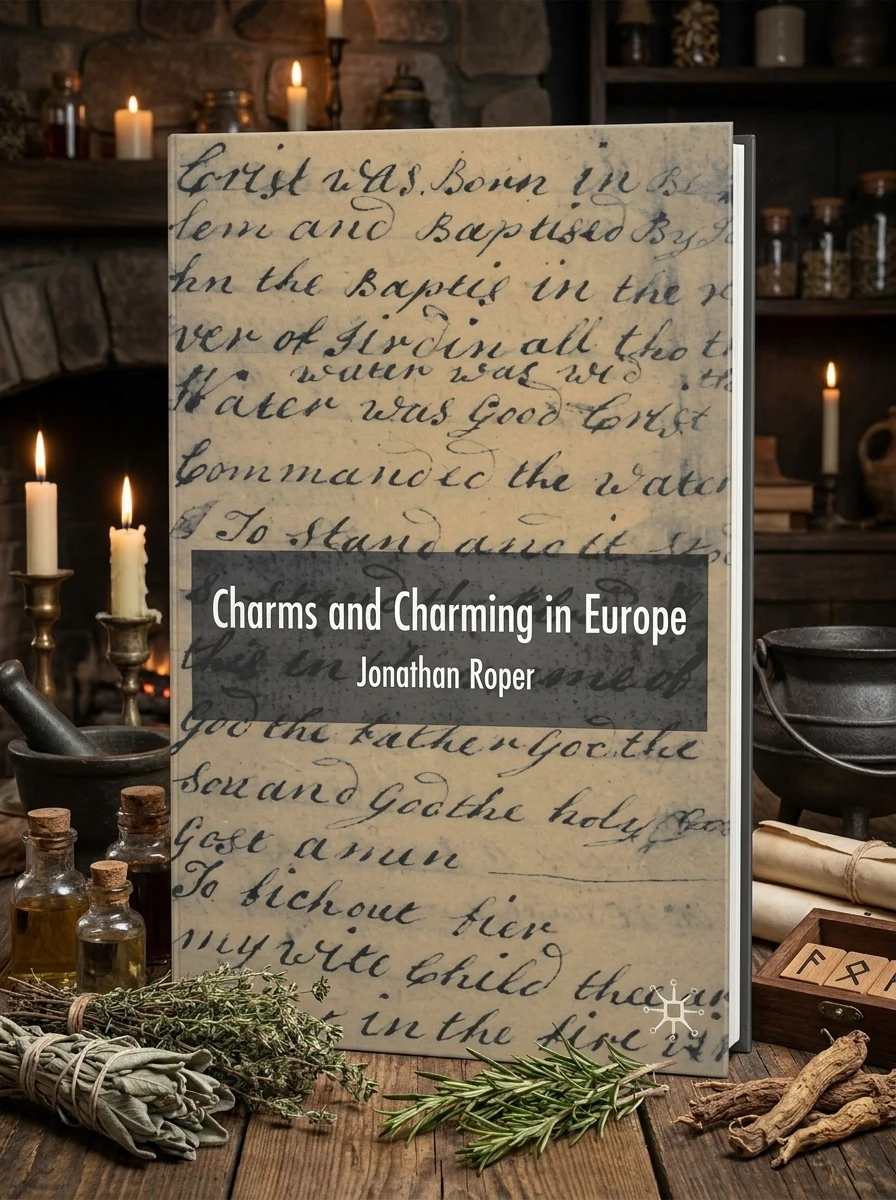
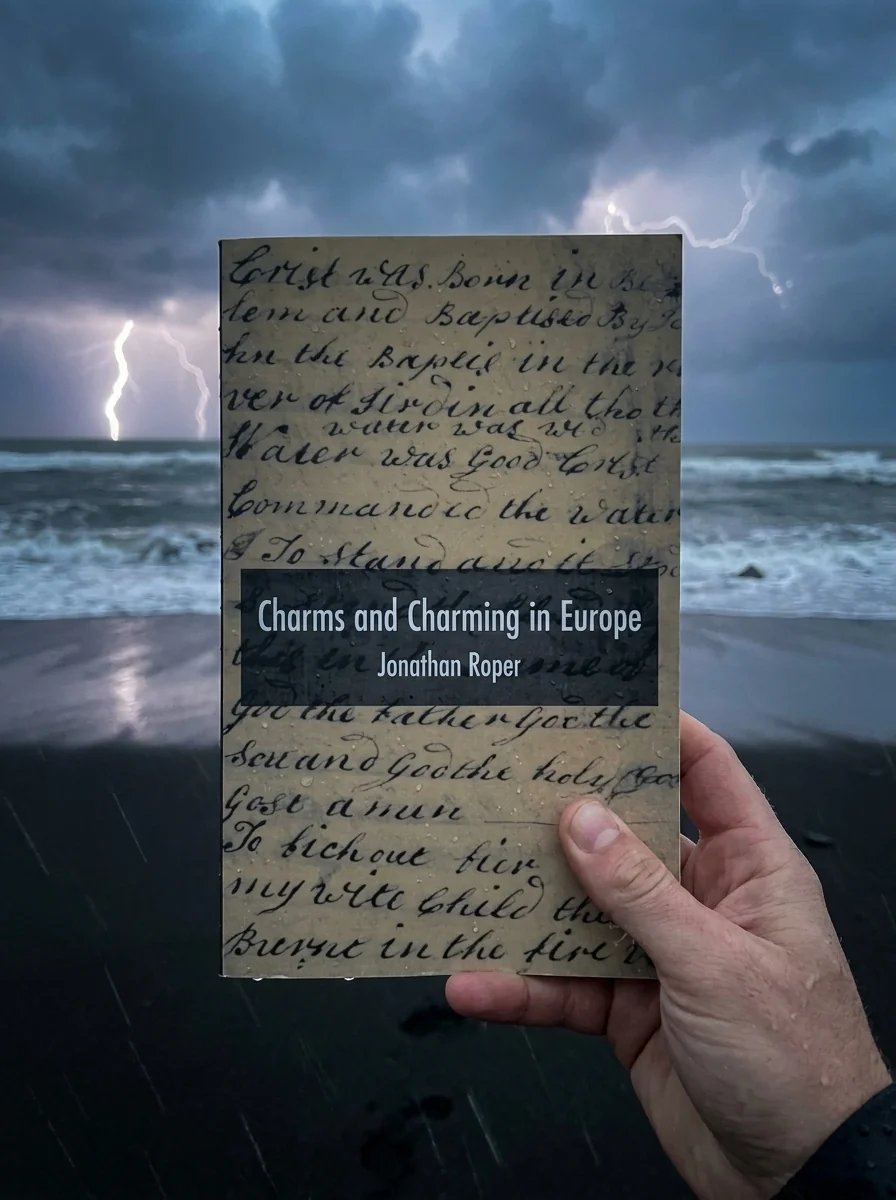
Charms and Charming in Europe (2004)
A scholarly examination of European vernacular magic and its historical persistence.
The text investigates the survival of charming in Europe, focusing on the verbal components of folk magic. It challenges the notion that such practices vanished by showing their continuity from the late Middle Ages to recent times. The authors utilize diverse academic backgrounds to cover social history, religion, and general occultism. This approach provides a comprehensive view of how these traditions were recorded and practiced across different European societies.
The book covers Europe from the late Middle Ages to the early twenty-first century. It addresses general social history, religion, and occultism within this specific geographical and temporal framework.


📝 Description: Charms and Charming in Europe (2004)
💎 Expert review
📖 Why choose it
Why this book is worth reading
Scholars, historians of religion, and dedicated practitioners of folk magic will find profound value in J. Roper’s meticulous documentation. This book is essential for those seeking to understand the vernacular roots of European occultism, offering a rare consolidation of scattered records that formal histories often ignore. Readers fascinated by the persistence of verbal magic from the Middle Ages to today will gain a deeper appreciation for how rhythmic incantations shaped daily life. It provides an authoritative lens through which to view the enduring power of whispered charms, making it an indispensable resource for anyone committed to preserving or studying this specific, yet vital, aspect of our esoteric heritage.
⭐ Reader reviews
Reader rating
Roper’s text is a rigorous academic survey that prioritizes historical evidence over mystical allure. It is an invaluable reference for researchers and serious students of European folk magic who require detailed analysis of verbal formulas. However, casual readers seeking practical spellcasting instructions or immediate spiritual experiences will likely find it dry and overly dense. The work does not cater to those looking for accessible, beginner-friendly occult guides or sensationalist tales of witchcraft. It demands patience and a scholarly mindset, making it unsuitable for anyone preferring narrative-driven fantasy or quick, digestible summaries of esoteric topics.
❓ Frequently asked questions
📖 Who should read this
If you're drawn to the practical application of historical magic, the subtle power of spoken words, or the hidden facets of European social history, this book offers profound insights. It's essential for scholars and enthusiasts of folk magic, anthropology, and the history of religion.
🎯 Key themes and symbolism
Verbal Magic's Ancient Roots
The book traces the lineage of charms, focusing on their origins as historical records from the late Middle Ages. It explores how these spoken incantations were not just superstitions, but a foundational element of everyday magical practice, providing a tangible connection to an older, more immediate form of influence and protection across various European cultures.
Europe's Enduring Folk Practice
Roper highlights the widespread and persistent nature of charming throughout Europe. Far from being isolated incidents, these vernacular magical practices were common across diverse regions and continued to be actively employed until relatively recently, demonstrating a resilient cultural tradition often ignored by mainstream historical narratives on religion and society.
Unearthing Hidden Histories
This work addresses the academic neglect of charming, which has historically received only fragmented attention. The author synthesizes disparate sources to construct a coherent narrative, offering readers an unprecedented overview of this vital, yet under-examined, aspect of European social and magical history. It fills a significant gap in the study of folk traditions.
📜 Historical context
📚 Glossary
- Charm (magical)
- Vernacular Magic
- Late Middle Ages
📔 Questions to reflect on
- Reflect on a modern-day equivalent of a 'charm' in your own culture or personal life. How does it function similarly or differently?
- Consider how the 'unwritten' nature of vernacular magic might influence its evolution and persistence compared to formalized religious or magical systems.
- If you were to unearth a new historical record of a charm, what questions would you ask to understand its full context and meaning?
📖 Read on the blog
🏛 Books from this publisher Palgrave MacMillan
All books from this publisher →


You might also like
See more →
Have a question about this item?
Ask about the edition, condition, delivery or anything else — we reply by email or phone, usually within a day.
