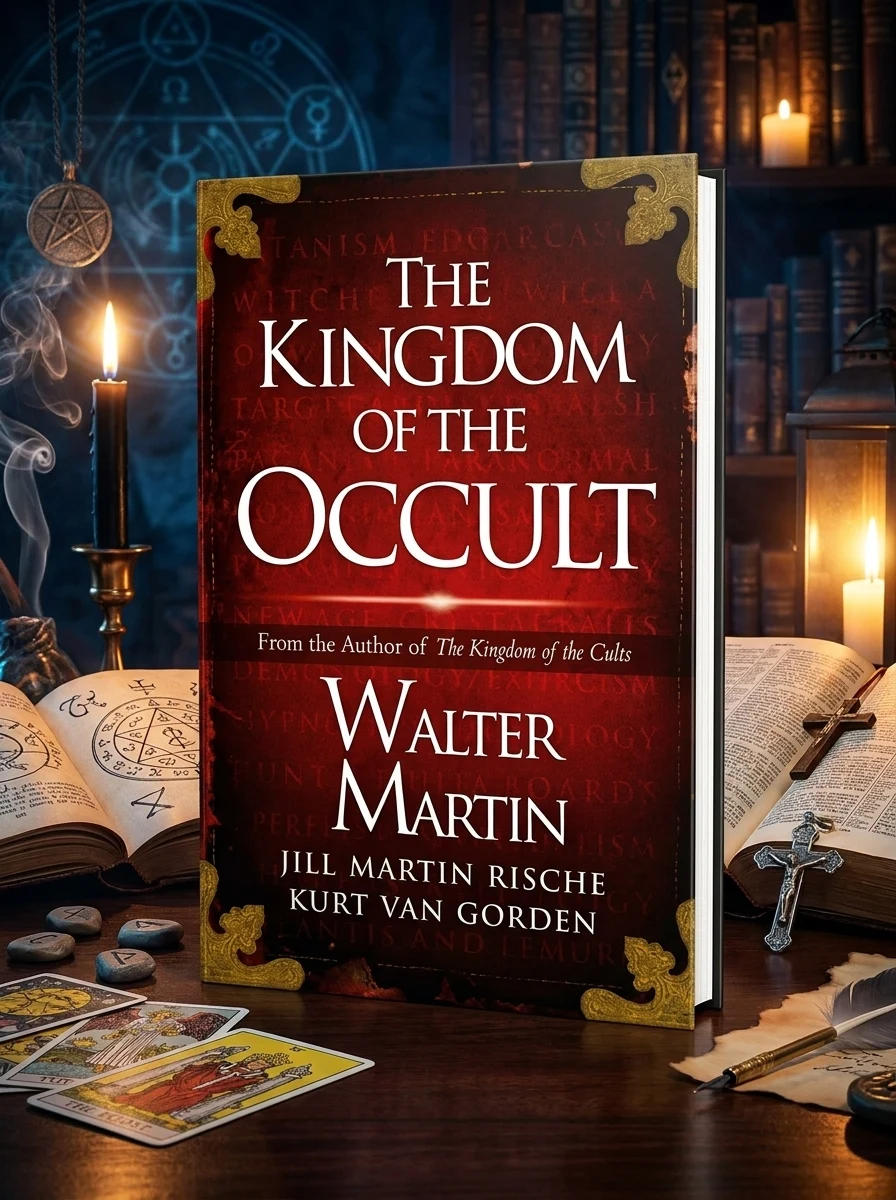
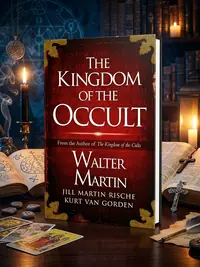
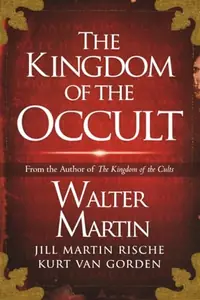
The Kingdom of the Occult
Stock reported in the catalog; fulfillment is confirmed with your request.
Unmasking the hidden currents of esoteric traditions, this book offers a critical Christian lens.
For those seeking to understand the burgeoning landscape of esoteric and spiritual practices from a distinctly Christian viewpoint, this volume offers an extensive examination. Following Dr. Walter Martin's influential work on cults, this text delves into the historical foundations and core tenets of diverse occult traditions. It meticulously outlines beliefs ranging from Paganism, Astrology, and New Age spirituality to Satanism and Witchcraft. The authors provide a comprehensive framework, equipping readers with critical insights and theological arguments intended to challenge and dissect these practices from an evangelical perspective.
This volume emerges from the evangelical tradition of apologetics and cult analysis, continuing the legacy of critical engagement with alternative spiritual movements. It sits firmly within the genre of Christian counter-culture literature that seeks to delineate orthodox theology from esoteric practices.


📝 Description: The Kingdom of the Occult
💎 Expert review
📖 Why choose it
Why this book is worth reading
Readers who are deeply invested in evangelical Christianity and seek to understand the theological underpinnings of competing spiritual worldviews will find this text invaluable. It serves as a robust guide for those wishing to articulate their faith against the rising tide of New Age, Wiccan, and Satanic influences. By providing a comprehensive framework, it empowers believers to engage in informed dialogue rather than mere dismissal. The book is particularly useful for church leaders, youth pastors, and concerned parents who want to equip themselves with critical insights to challenge and dissect these practices from an evangelical perspective. It offers clarity for those navigating the complex landscape of modern spirituality.
⭐ Reader reviews
Reader rating
This work delivers a thorough, albeit narrowly focused, examination of occult traditions through a strict evangelical lens. While it excels in outlining historical foundations and core tenets of diverse practices like Paganism and Astrology, its primary utility lies in reinforcing orthodox Christian doctrine rather than offering balanced academic study. Readers seeking objective, secular, or sympathetic analyses of Wicca will find the critical Christian perspective alienating and dismissive. It is not suitable for those interested in the internal spiritual experiences of practitioners. However, for believers aiming to fortify their theological defenses against esoteric currents, it provides a necessary, if one-sided, toolkit.
❓ Frequently asked questions
📖 Who should read this
If you're a student of comparative religion, a Christian seeking to understand divergent spiritual paths, or simply curious about evangelical interpretations of esoteric practices, this book offers a detailed, if partisan, perspective. An essential read for those interested in the discourse between traditional Christianity and the occult.
🎯 Key themes and symbolism
Christian Apologetics in Esotericism
This book positions itself as a guide for Christian readers to critically evaluate and respond to occult practices. It provides theological arguments and interpretive frameworks, empowering adherents of the Christian faith to engage with diverse spiritual paths from a defensive and analytical stance, rather than an embrace.
Survey of Occult Traditions
The work systematically explores a wide array of esoteric doctrines, offering historical overviews and summaries of foundational beliefs. Chapters are dedicated to understanding practices such as ancient Paganism, the principles of Astrology, the tenets of New Age thought, and the complexities of Witchcraft and Satanism.
Spiritual Conflict and Discernment
Central to the book's premise is the idea of spiritual conflict, framing engagement with occultism as a form of "spiritual warfare." It seeks to enhance Christian discernment by identifying what it perceives as dangerous or misleading elements within various esoteric systems, providing tools for theological counter-argumentation.
💬 Quotes from the book
“The discerning Christian must not merely observe these practices, but possess the intellectual and spiritual weaponry to dismantle their deceptive allure.”
“From the ancient whispers of pagan deities to the modern syncretism of New Age doctrines, a consistent thread of spiritual misdirection can be traced, diverting souls from revealed truth.”
📜 Historical context
📚 Glossary
- Demonology
- Wicca
- New Age
📔 Questions to reflect on
- How might understanding another's spiritual framework, even a critical one, deepen your own spiritual convictions or sense of discernment?
- Considering the book's perspective, what are the ethical implications of categorizing diverse spiritual practices under a single 'occult' umbrella?
- If you were to engage in a respectful dialogue with someone holding beliefs discussed in this book, what aspects would you seek to understand more deeply, and what points would you articulate from your own perspective?
🏛 Books from this publisher Thomas Nelson
All books from this publisher →

You might also like
See more →
 91
91
 91
91