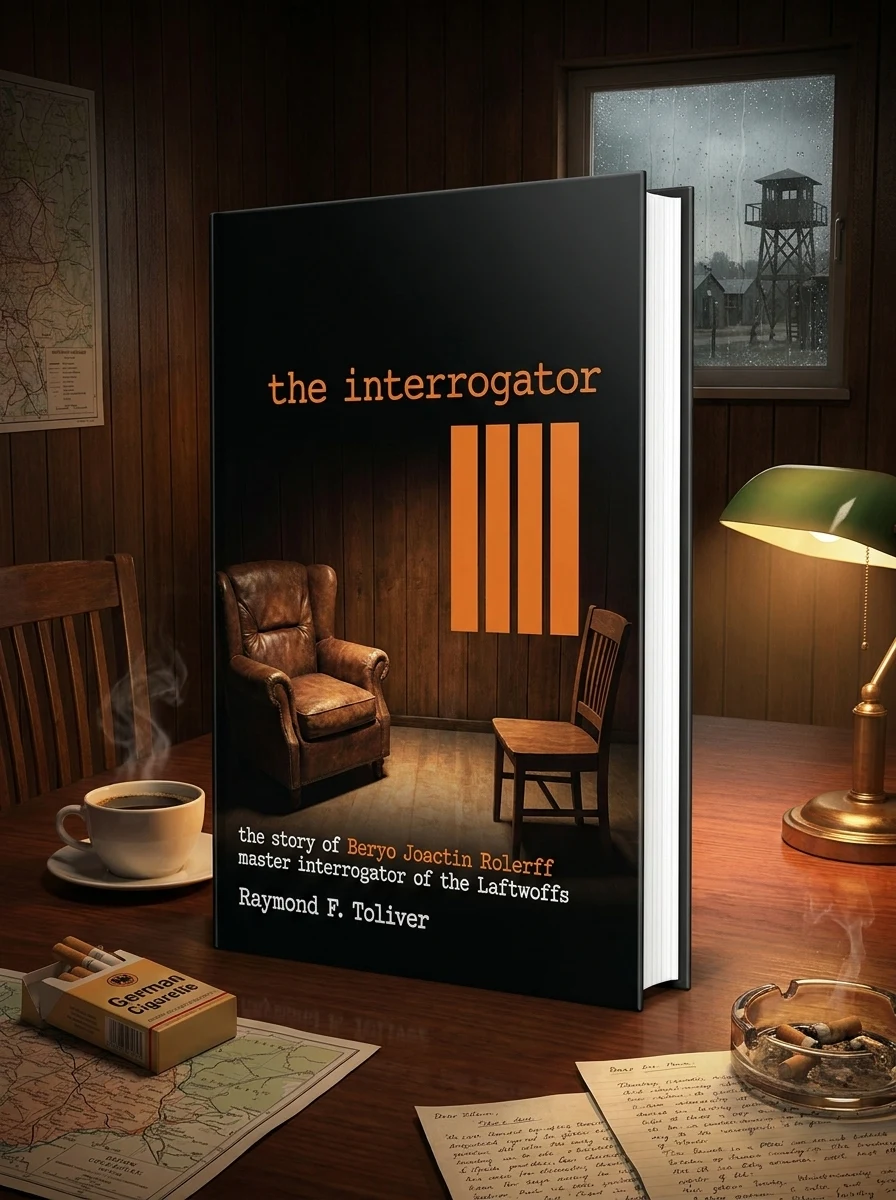
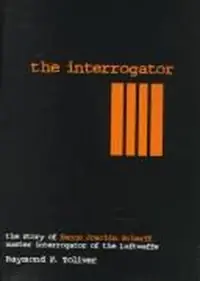
The Interrogator: The Story of Hanns-Joachim Scharff, Master Interrogator of the Luftwaffe (Revised) Toliver, Raymond F
This edition can be ordered. No arrival date is confirmed.
A chilling tale of psychological warfare where casual conversation became a deadly intelligence tool.
This revised edition chronicles the life of Hanns-Joachim Scharff, a Luftwaffe intelligence officer whose reputation rested on an uncanny ability to extract secrets without physical coercion. Rather than relying on brute force, Scharff employed a sophisticated psychological approach, turning mundane chatter into a mosaic of strategic data. Former prisoners remain haunted by the realization that their offhand remarks were meticulously analyzed. Toliver presents a gripping narrative of how verbal slips were weaponized, offering a rare glimpse into the mind of a master interrogator who proved that words, once spoken, could never truly be taken back.
This work sits at the intersection of military history and psychological warfare studies, offering a specialized look into the methods of the Luftwaffe during World War II. It contributes to the broader esoteric understanding of how information can be manipulated through subtle psychological influence rather than overt force.


📝 Description: The Interrogator: The Story of Hanns-Joachim Scharff, Master Interrogator of the Luftwaffe (Revised) Toliver, Raymond F
💎 Expert review
📖 Why choose it
Why this book is worth reading
Readers fascinated by the intricate dance of human psychology under pressure will find this biography deeply compelling. It is particularly suited for those interested in intelligence history, non-violent coercion techniques, and the nuances of verbal interrogation. The book offers a unique perspective on how casual conversation can be weaponized, appealing to anyone who enjoys dissecting the mind of a master strategist. If you appreciate narratives that reveal the hidden power of language and the vulnerability of unguarded speech, this revised edition provides a chilling yet educational glimpse into a historical figure who mastered the art of extracting truth without raising his voice.
⭐ Reader reviews
Reader rating
This edition finally does the material justice. A text you study rather than simply read. Deserves a place on any esoteric bookshelf.
Long-time student of the esoteric here. The ideas are old but land with surprising force today. Recommended if you're ready to do the work.
Not my usual area but wanted to branch out. The symbolism is layered and generous to patient readers. Highly recommend to serious students.
Toliver delivers a gripping narrative that illuminates the terrifying efficacy of psychological interrogation. However, readers seeking graphic depictions of physical torture or traditional combat action may find the focus on dialogue and mental manipulation less satisfying. The book is not for those who prefer fast-paced military adventures over detailed character studies. It appeals primarily to history buffs and psychology enthusiasts who appreciate the subtlety of intellectual warfare. While engaging, it demands patience with its analytical tone rather than offering adrenaline-fueled thrills.
❓ Frequently asked questions
📖 Who should read this
History enthusiasts, intelligence analysts, and psychology students will find this study of coercive communication fascinating. It is ideal for those interested in the subtle mechanics of espionage and the enduring psychological scars of wartime interrogation.
🎯 Key themes and symbolism
Psychological Extraction Techniques
The book details how Scharff bypassed resistance by fostering false rapport, allowing prisoners to lower their guard. This section explores the subtle manipulation of trust and the systematic analysis of casual dialogue to reveal hidden military truths without overt interrogation methods.
The Power of Casual Disclosure
Readers will see how seemingly insignificant comments about weather or daily life were woven together to confirm or deny intelligence reports. It illustrates the danger of involuntary self-disclosure and how the human tendency to fill silence can be exploited for strategic advantage.
Post-War Trauma and Regret
The narrative extends beyond the war, examining the lasting psychological impact on former POWs who spent decades worrying about what they revealed. It highlights the enduring guilt and anxiety associated with the fear that their casual words contributed to the suffering of their comrades.
💬 Quotes from the book
“Nothing, yet there is no doubt he got something.”
“His technique was psychic, not physical.”
📜 Historical context
📚 Glossary
- Psychic Interrogation
- Mosaic Intelligence
- Erstwhile POW
📔 Questions to reflect on
- Reflect on a time when you accidentally revealed more than you intended; what might have been the consequence?
- Consider how modern digital communication might replicate Scharff’s 'mosaic' technique, gathering data from casual online interactions.
- How does the fear of past regrets shape our current behavior in high-stakes professional environments?
🏛 Books from this publisher Schiffer Publishing
All books from this publisher →
 89
89


You might also like
See more → 91
91
 91
91

 91
91
 91
91
 91
91