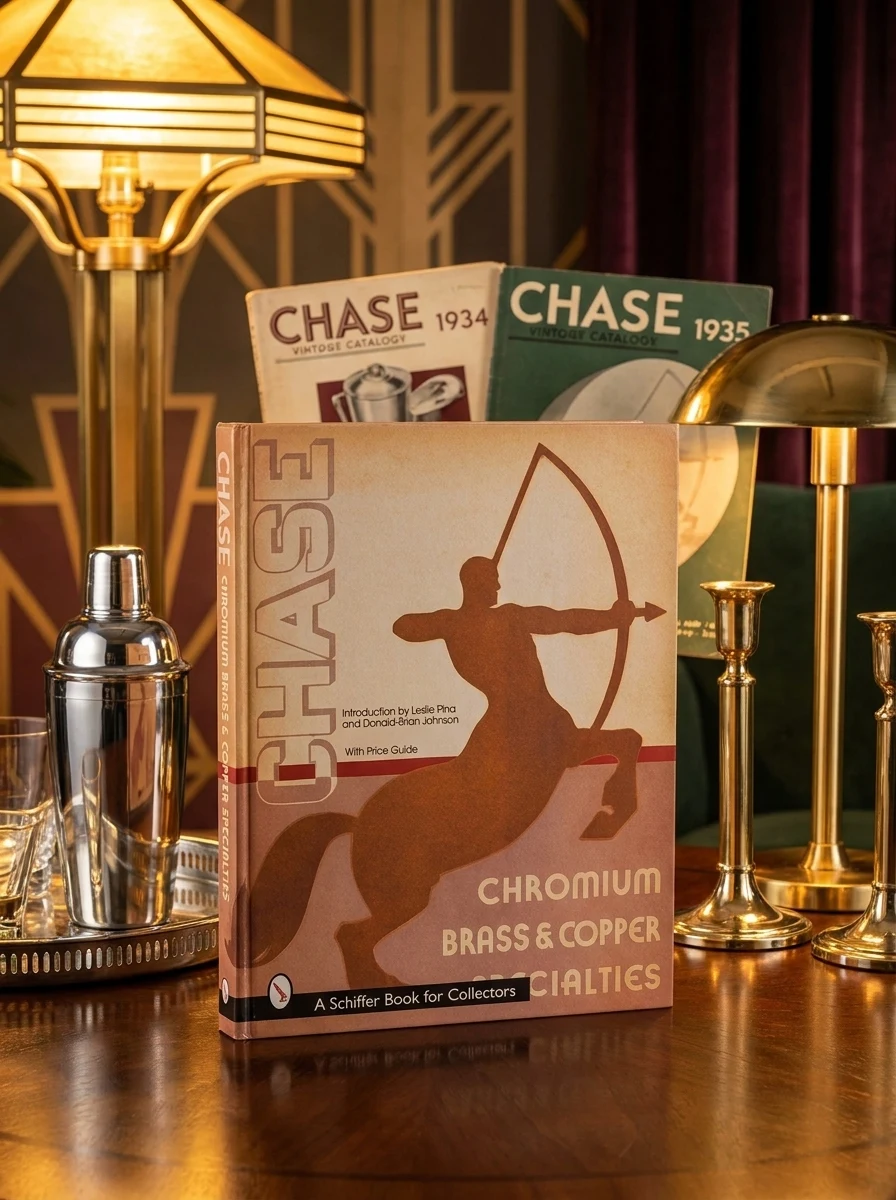
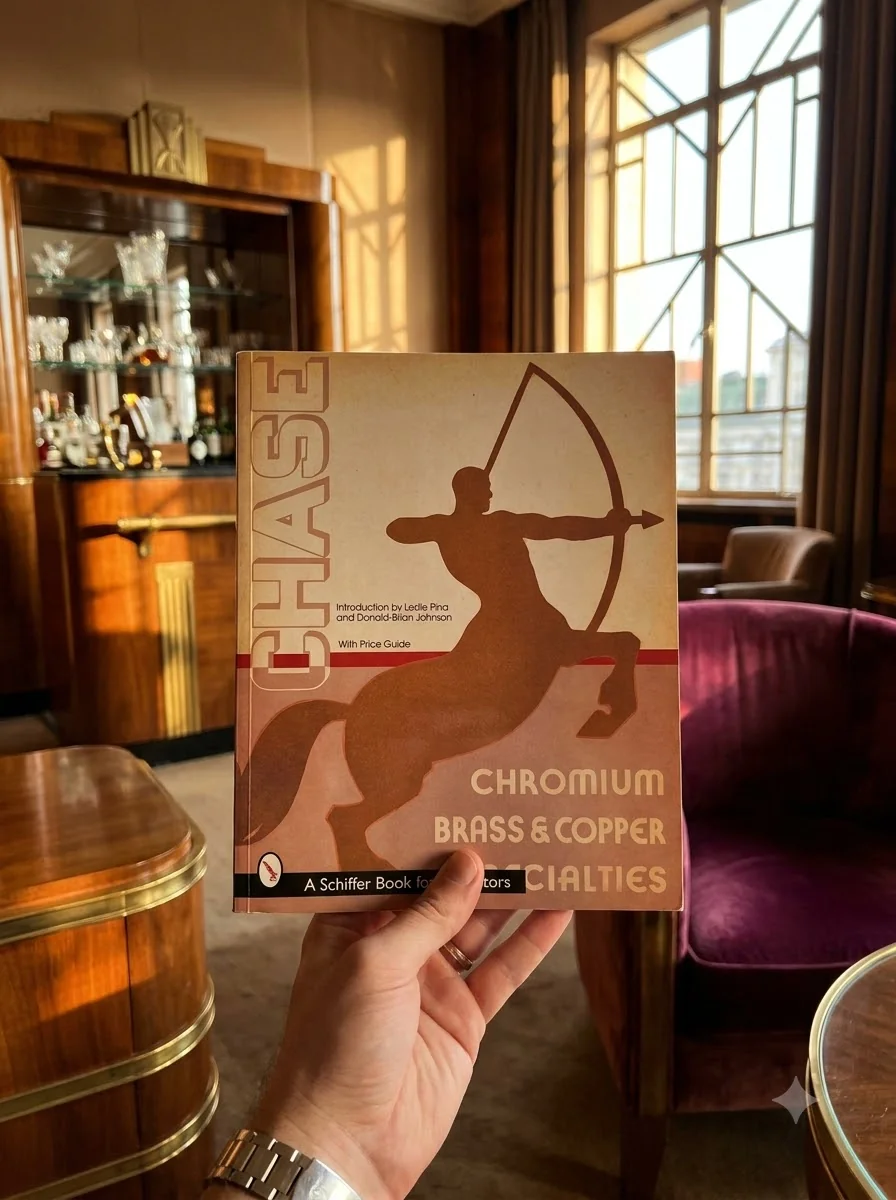

The Chase Catalogs: 1934 & 1935
✍️ Piña, LeslieDelve into the enigmatic allure of 1930s design, where the esoteric principles of Art Deco found tangible form in the exquisite creations of the Chase Brass & Copper Company. This remarkable compendium resurrects their legendary 1934 and 1935 catalogs, offering a rare glimpse into the era's aesthetic soul. Discover the meticulously described works of visionary industrial designers, complete with their original specifications, unveiling a hidden archive of stylistic evolution and providing a profound connection to a bygone epoch of elegance.


📝 Description: The Chase Catalogs: 1934 & 1935
💎 Expert review
📖 Why choose it
Why this book is worth reading
This book is a treasure trove for those fascinated by the hidden spiritual and geometric underpinnings of Art Deco design. Readers who appreciate the tangible manifestation of esoteric principles in everyday objects will find immense value in this resurrection of the Chase Brass & Copper Company’s legendary catalogs. It offers a profound connection to a bygone epoch of elegance, allowing enthusiasts to study the meticulous specifications and stylistic evolution of visionary industrial designers. By unveiling this hidden archive, the book provides not just visual inspiration but also a deep understanding of the aesthetic soul of the 1930s. It is essential for anyone seeking to unearth the forgotten glamor of that golden age, offering rare insights into how arcane geometries shaped the era's iconic creations.
⭐ Reader reviews
Reader rating
This catalog is a niche delight for devotees of Art Deco and industrial design history, offering a rare glimpse into the aesthetic soul of the 1930s. While it successfully resurrects the legendary works of Chase Brass & Copper Company with meticulous detail, it is not suitable for casual readers seeking narrative or general interest topics. Those uninterested in technical specifications, arcane geometries, or the specific history of brass and copper manufacturing will likely find the content too specialized. It lacks broad appeal outside its specific target audience of collectors and historians. However, for its intended demographic, it stands as a vital resource for understanding the esoteric principles that influenced mid-century design.
❓ Frequently asked questions
📖 Who should read this
For seekers of hidden beauty and those fascinated by the secret currents of historical aesthetics, this volume offers a profound journey. If you yearn to decode the visual language of a pivotal era and understand the spiritual underpinnings of design, prepare for enlightenment within these pages.
🎯 Key themes and symbolism
Deco's Esoteric Language
Explore how this volume unveils the symbolic grammar and aesthetic principles that defined Art Deco, revealing the hidden meanings embedded within its streamlined forms and luxurious materials. It offers an initiation into the era's visual lexicon, showcasing how each line and curve contributed to a larger, coherent artistic philosophy that transcended mere utility.
Alchemists of Form
Delve into the transformative genius of pioneers like Lurelle Guild and Russel Wright, whose innovative industrial designs transcended mere utility. This collection showcases their alchemical ability to transmute base metals and common materials into objects of profound beauty and modern spirit, demonstrating an almost magical command over material and aesthetic.
Echoes from the Past
This compilation serves as a potent portal to a bygone era, preserving the transient beauty and material spirit of 1930s design. It allows one to commune with the essence of a time when elegance and utility were harmonized through deliberate, almost ritualistic, craftsmanship, offering insights into the collective consciousness of the period.
📜 Historical context
📚 Glossary
- Art Deco
- Industrial Design
- Chase Brass & Copper Company
📔 Questions to reflect on
- Reflect on how the geometric forms and material choices in Art Deco objects might have subtly influenced the collective psyche of the 1930s. What 'hidden messages' do these designs convey?
- Consider an everyday object from your own life. How could its design be reimagined using Art Deco principles to imbue it with a deeper, more 'esoteric' significance or aesthetic power?
- If these catalogs are portals to the past, what spiritual or aesthetic lessons do the creations of designers like Lurelle Guild offer to our contemporary understanding of beauty and utility?