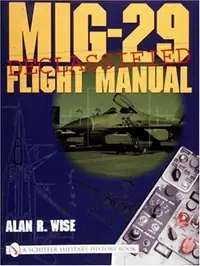
Mig-29 Flight Manual Wise, Alan R
This edition can be ordered. No arrival date is confirmed.
A rare, translated glimpse into the rugged soul of Russia’s legendary Fulcrum fighter jet.
This volume strips away the classified veil surrounding the MiG-29 Fulcrum, offering an unclassified translation of its original flight manual. Designed to counter Western counterparts like the F-16 and Mirage, this aircraft is a marvel of rugged engineering. The text explores its Mach 2.3 capabilities, extraordinary altitude records surpassing the SR-71, and its global service history. It serves as a technical and historical archive for understanding Soviet aerospace philosophy during the Cold War era.
This work sits at the intersection of Cold War military history and technical aviation literature, documenting the engineering philosophy behind Soviet aerospace dominance. It serves as a historical artifact revealing the strategic rivalry between Eastern and Western fighter jet technologies during the late twentieth century.


📝 Description: Mig-29 Flight Manual Wise, Alan R
💎 Expert review
📖 Why choose it
Why this book is worth reading
This volume is essential for aviation historians, military enthusiasts, and engineers fascinated by the rugged engineering principles of Soviet aerospace design. Readers who appreciate understanding the strategic countermeasures developed during the Cold War will find immense value in its unclassified translation of original flight manuals. It offers a rare glimpse into the Fulcrum's Mach 2.3 capabilities and altitude records, providing context for its global service history. Whether you are analyzing the rivalry with counterparts like the F-16 or studying Soviet technological resilience, this text serves as a vital archive. It appeals to those seeking technical depth over narrative flair, offering a direct look at the machinery that defined an era of aerial supremacy.
⭐ Reader reviews
Reader rating
Took a chance on this and glad I did. Challenging in places, but never needlessly obscure.
Exactly what I was looking for. The print is clean and easy on the eyes for long sessions. There's real depth here that reveals itself on a second reading.
I've read excerpts online before, but having the full text is different. You can tell why this work has endured. My only quibble is the cover feels thinner than expected. Happy enough with the purchase.
I keep coming back to this one. Solid binding, decent paper — holds up to heavy use. Deserves a place on any esoteric bookshelf.
Bought this as a gift for my sister and ended up ordering a second copy for myself. Solid binding, decent paper — holds up to heavy use. Great value for what you get.
Came across this title in a footnote and had to track it down. The material is presented clearly and the structure makes it easy to revisit key passages. My only quibble is the cover feels thinner than expected. Solid, if not essential.
This exceeded my expectations. It reads better in small doses — a chapter at a time with notes. Delivery took a bit longer than quoted. Recommended with reservations.
While technically impressive, this book is strictly for the dedicated specialist. It lacks the narrative flow expected by general history readers or casual aviation fans who prefer storytelling over mechanical specifications. The content is dense, focusing heavily on engineering philosophy and technical archives rather than dramatic combat anecdotes. Readers expecting a biographical account of pilots or a broad geopolitical overview will likely find it dry and inaccessible. However, for those willing to wade through the unclassified translations and appreciate the raw data of Cold War aerospace rivalry, it remains an invaluable resource. It is not for the faint of heart regarding technical jargon.
❓ Frequently asked questions
📖 Who should read this
Aviation historians, military analysts, and enthusiasts of Soviet Cold War technology will find this manual invaluable for its technical depth and rare access to the operational mindset of Russian fighter pilots.
🎯 Key themes and symbolism
Soviet Engineering Philosophy
The book reveals how Russian designers prioritized ruggedness and high-altitude performance over Western comfort, creating a fighter built to survive and dominate in the harsh realities of modern aerial combat scenarios.
Cold War Air Superiority
By detailing the MiG-29's role against specific NATO aircraft, the manual highlights the intense technological arms race, showing how Soviet doctrine aimed to neutralize Western air power through superior maneuverability and raw speed.
Global Military Legacy
Tracing the aircraft's deployment across dozens of nations, from Eastern Europe to the Middle East, this theme underscores the Fulcrum's enduring relevance as a versatile, deadly instrument of state power and geopolitical influence.
💬 Quotes from the book
“The MiG-29 was designed to operate under wartime conditions.”
“Topping the Lockheed SR-71 Blackbird in altitude.”
📜 Historical context
📚 Glossary
- Fulcrum
- Multi-role
- Unclassified
📔 Questions to reflect on
- How does the rugged design of the MiG-29 reflect the broader Soviet approach to industrial manufacturing?
- In what ways did the Cold War drive the specific performance metrics listed in this manual?
- Compare the operational doctrine of the Fulcrum with its Western counterparts; what does this reveal about differing military strategies?
🏛 Books from this publisher Schiffer Publishing
All books from this publisher →
 89
89







You might also like
See more → 91
91


 91
91


 91
91