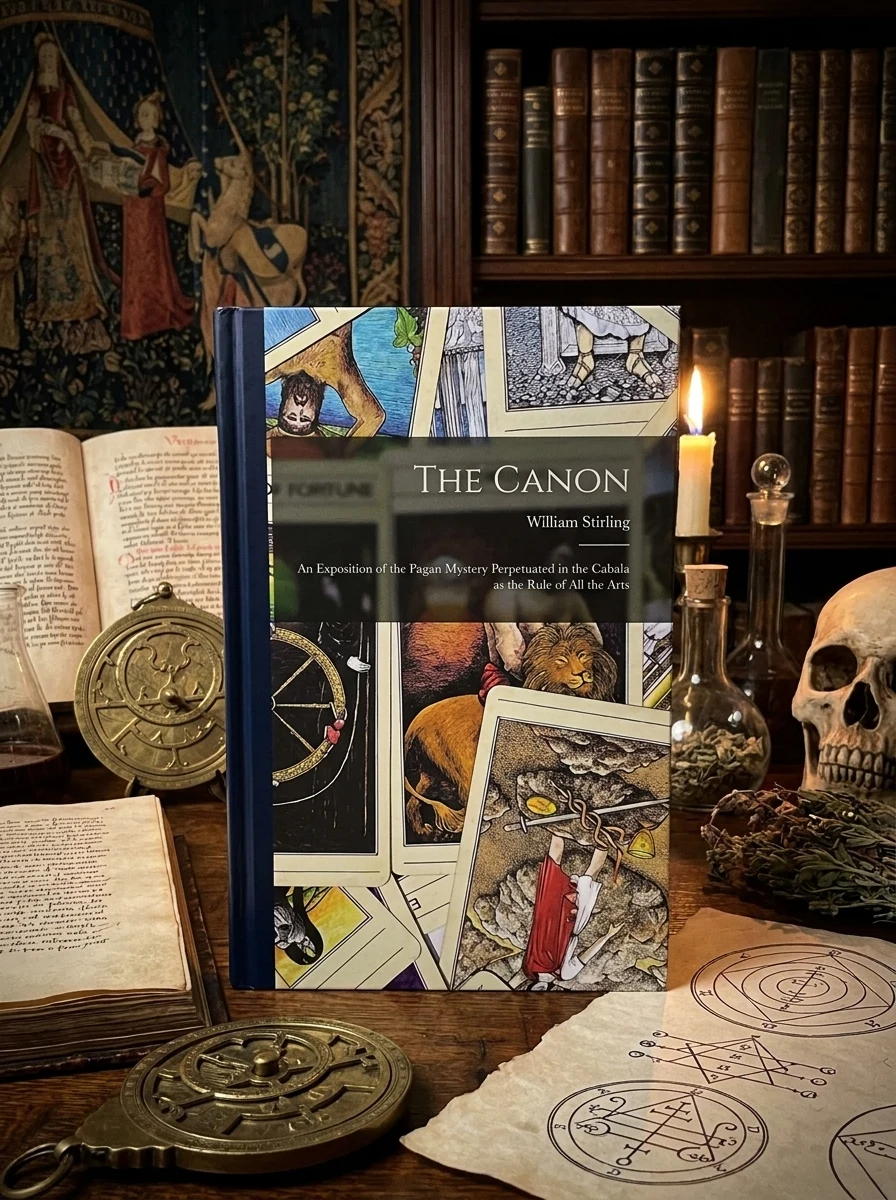
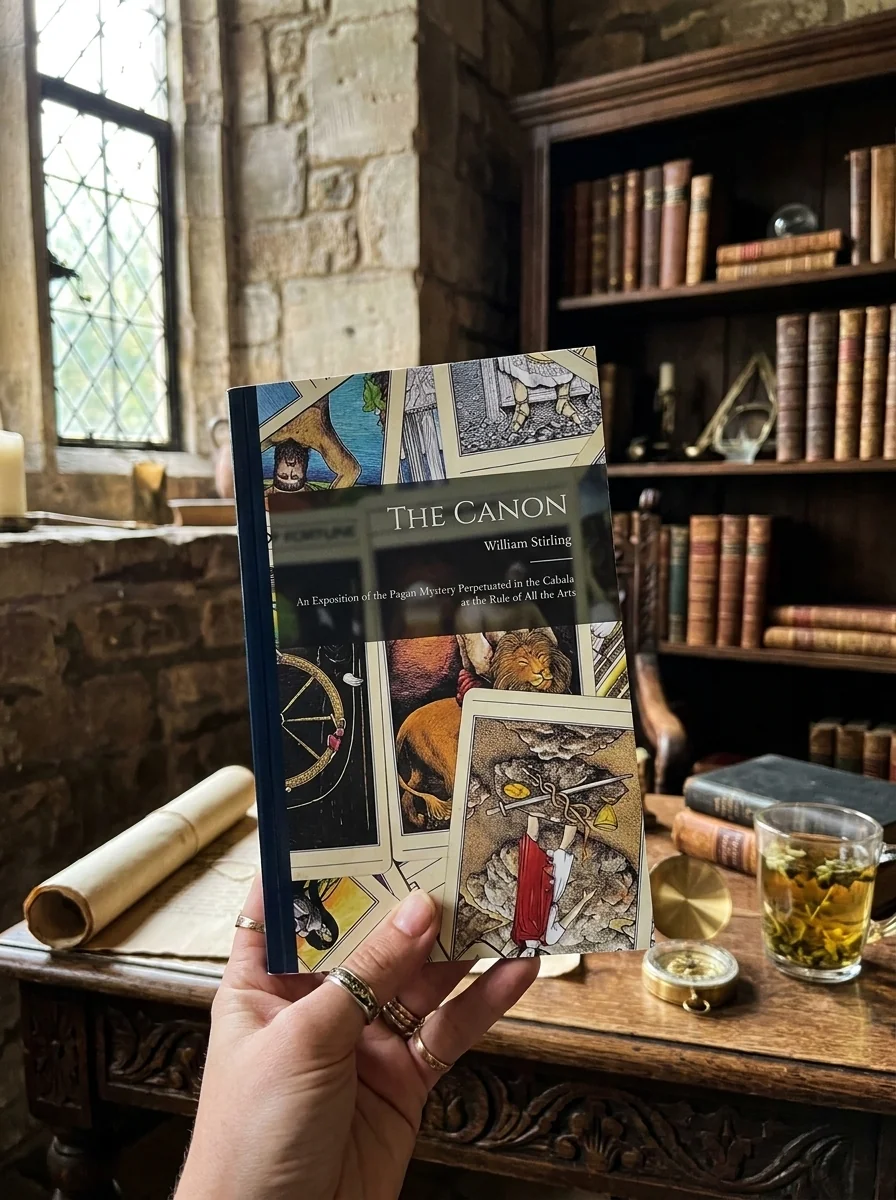
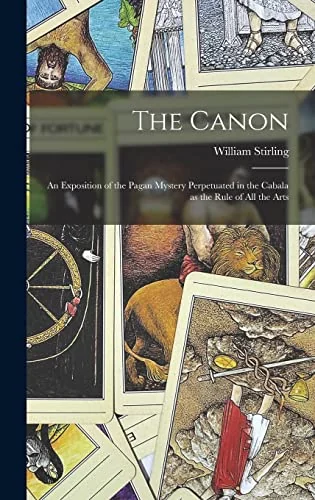
The Canon: An Exposition of the Pagan Mystery Perpetuated in the Cabala as the Rule of all the Arts
✍️ Stirling, WilliamStirling's "The Canon" delves into a profound, often overlooked connection: the persistent presence of ancient pagan wisdom within the framework of the Qabalah. This isn't just about religious history; it explores how these veiled mysteries manifest as foundational principles across all creative endeavors, from architecture to music. The author posits that a singular, esoteric tradition has secretly guided human artistic and spiritual expression for millennia, revealing its traces in diverse cultural forms. It's an ambitious reinterpretation of Western esotericism's deep roots.


📝 Description: The Canon: An Exposition of the Pagan Mystery Perpetuated in the Cabala as the Rule of all the Arts
💎 Expert review
📖 Why choose it
Why this book is worth reading
Readers fascinated by the deep, often obscured lineage of Western esotericism will find this text profoundly rewarding. It is ideal for those who suspect that creative disciplines like architecture and music are not merely aesthetic pursuits but spiritual practices rooted in ancient wisdom. Stirling offers a unique lens through which to view the continuity of pagan mystery traditions preserved within the Cabala. If you seek to understand how these veiled principles have guided human expression for millennia, this book provides an ambitious reinterpretation of those foundational truths. It is perfect for the serious student ready to trace the singular esoteric thread that weaves through diverse cultural forms and artistic endeavors across history.
⭐ Reader reviews
Reader rating
Stirling presents an ambitious synthesis of pagan mystery and Cabalistic thought, arguing for a universal rule underlying all arts. The text is dense with philosophical inquiry, requiring patience from readers seeking quick answers or simple dogma. It does not suit those looking for straightforward religious instruction or modern Wiccan rituals. Instead, it appeals to the intellectual occultist willing to engage with complex historical connections. While some may find the arguments overly speculative or obscure, the work remains a significant contribution to understanding the hidden architecture of Western esotericism and its enduring influence on creative expression across centuries.
❓ Frequently asked questions
📖 Who should read this
If you are fascinated by the hidden currents connecting ancient wisdom traditions, Qabalistic symbolism, and the spiritual roots of artistic creation, this deep dive into esoteric history awaits. Prepare for a thought-provoking journey that challenges conventional understandings of culture and belief.
🎯 Key themes and symbolism
Ancient Pagan Mysteries
Stirling meticulously uncovers how pre-Christian spiritual traditions and their symbols persist, not merely as historical relics, but as living principles embedded within later mystical systems. This exploration reveals a continuous thread of esoteric knowledge passed down through generations, often in disguised forms, shaping the spiritual landscape.
Cabala's Hidden Paganism
The work reinterprets the Qabalah not solely as a Jewish mystical tradition, but as a sophisticated vehicle that preserved and transmitted pagan spiritual insights. It examines how Qabalistic structures and symbolism echo older, universal esoteric truths, presenting a radical perspective on its origins and enduring influence on Western thought.
Universal Artistic Principles
Far beyond mere aesthetics, Stirling argues that all genuine art, whether architecture, music, or literature, adheres to an underlying "Canon" derived from these ancient mysteries. This suggests that artistic creation is a sacred act, a manifestation of cosmic order, reflecting the same profound principles found in esoteric philosophy.
📜 Historical context
📚 Glossary
- Cabala (or Qabalah)
- The Canon
- Pagan Mystery
📔 Questions to reflect on
- How might understanding art as a manifestation of ancient esoteric principles change your perception of beauty and creation?
- In what ways do you see connections between seemingly disparate spiritual traditions in your own observations or studies?
- Consider a piece of art or architecture you admire. How might it embody a "Canon" or hidden universal rule, as Stirling suggests?