
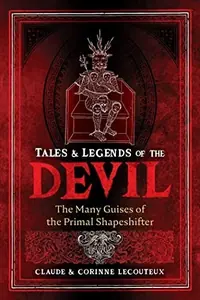
Tales and Legends of the Devil: The Many Guises of the Primal Shapeshifter
Lecouteux, Claude; , Lecouteux, CorinneThis edition can be ordered. No arrival date is confirmed.
Unmask the Devil's true nature, far beyond the Christian caricature of pure evil.
This captivating exploration by Claude and Corinne Lecouteux dismantles conventional notions of the Devil, revealing his ancient, multifaceted identity across global folklore. Delving into traditions from diverse European regions, the authors trace the Devil's origins to Vedic India, showcasing his remarkable shapeshifting prowess and complex character. From cunning adversary to bumbling fool, and from storm deity to companion of witches, this work illuminates how many attributes assigned to this figure were once characteristics of older pagan gods, offering a rich tapestry of supernatural narratives.
This work sits firmly within the realm of comparative mythology and esoteric history, challenging traditional theological narratives by drawing on diverse European folklore and Vedic Indian origins. It belongs to a scholarly yet accessible tradition that seeks to reclaim pre-Christian archetypes from subsequent religious caricatures.


📝 Description: Tales and Legends of the Devil: The Many Guises of the Primal Shapeshifter
💎 Expert review
📖 Why choose it
Why this book is worth reading
Readers fascinated by the hidden histories of myth and the evolution of religious symbols will find this book deeply rewarding. It appeals specifically to those weary of one-dimensional portrayals of evil, offering a nuanced view of the Devil as a complex shapeshifter rooted in ancient pagan traditions. By tracing these figures from Vedic India through European folklore, the Lecouteuxs provide a rich tapestry that helps modern seekers understand the psychological and cultural layers behind supernatural narratives. If you enjoy uncovering how older divine attributes were absorbed or demonized by later faiths, this text offers a compelling, well-researched journey into the multifaceted nature of the primal shapeshifter.
⭐ Reader reviews
Reader rating
The Lecouteuxs deliver a fascinating deconstruction of the Devil figure, moving beyond Christian dogma to explore his myriad guises in global folklore. The narrative is engaging and sheds light on how storm deities and cunning tricksters evolved into the adversary we recognize today. However, readers seeking strict theological doctrine or comforting moral absolutes will likely find this perspective unsettling or irreverent. It does not suit those who prefer traditional religious interpretations over historical-anthropological analysis. The book shines for its breadth of cultural reference but may feel disjointed to those expecting a singular, focused argument rather than a broad survey of shapeshifting legends.
❓ Frequently asked questions
📖 Who should read this
If you're fascinated by the supernatural, comparative mythology, or the hidden histories behind our common cultural narratives, this book is for you. It's an essential read for anyone seeking a deeper, more nuanced understanding of the Devil's complex identity across human spiritual traditions.
🎯 Key themes and symbolism
The Primal Shapeshifter
Discover how the Devil transcends simple demonic forms, manifesting as a master of disguise capable of assuming countless guises. This book reveals tales where he appears as animals, humans, or even sacred figures like a priest, demonstrating a metamorphic ability deeply rooted in ancient mythologies that extends far beyond familiar Christian portrayals.
Pagan Echoes and Origins
Explore the profound connections between the Devil and pre-Christian deities. The authors meticulously illustrate how many of the powers, characteristics, and even legends associated with the Devil were originally ascribed to pagan gods, demonstrating a fascinating synthesis and transformation of ancient beliefs into a new, often maligned, spiritual figure.
A Spectrum of Evil
Challenge your assumptions about the Devil's singular nature. This volume presents a wide array of folkloric portrayals, from the truly malevolent and cunning antagonist to surprisingly foolish and easily outwitted figures. These diverse narratives from across Europe highlight the nuanced and sometimes contradictory roles this entity plays in human storytelling.
💬 Quotes from the book
“The entity we call 'Devil' is not merely the horned Lucifer of dogma, but a trickster spirit, a storm bringer, a seductive shadow who has worn a thousand faces since the dawn of time.”
“Before the cross, he was the forest god, the fertility spirit, the lord of thunder. His 'evil' is often merely the echo of an older divinity misunderstood or intentionally re-cast.”
📜 Historical context
📚 Glossary
- Primal Shapeshifter
- Vedic Origins
- Folklore
📔 Questions to reflect on
- How does understanding the Devil's diverse folkloric portrayals challenge or reinforce your own cultural or religious assumptions about evil?
- Consider the concept of a 'primal shapeshifter.' What might this archetype reveal about humanity's enduring fascination with transformation and the unknown?
- Research a local legend or mythological figure from your own region. Can you identify any parallels between its attributes and the ancient pagan or shapeshifting qualities discussed in the book?
✍️ More books by this author Lecouteux, Claude; , Lecouteux, Corinne
All books by this author →

🏛 Books from this publisher Inner Traditions International
All books from this publisher →






You might also like
See more →

 91
91