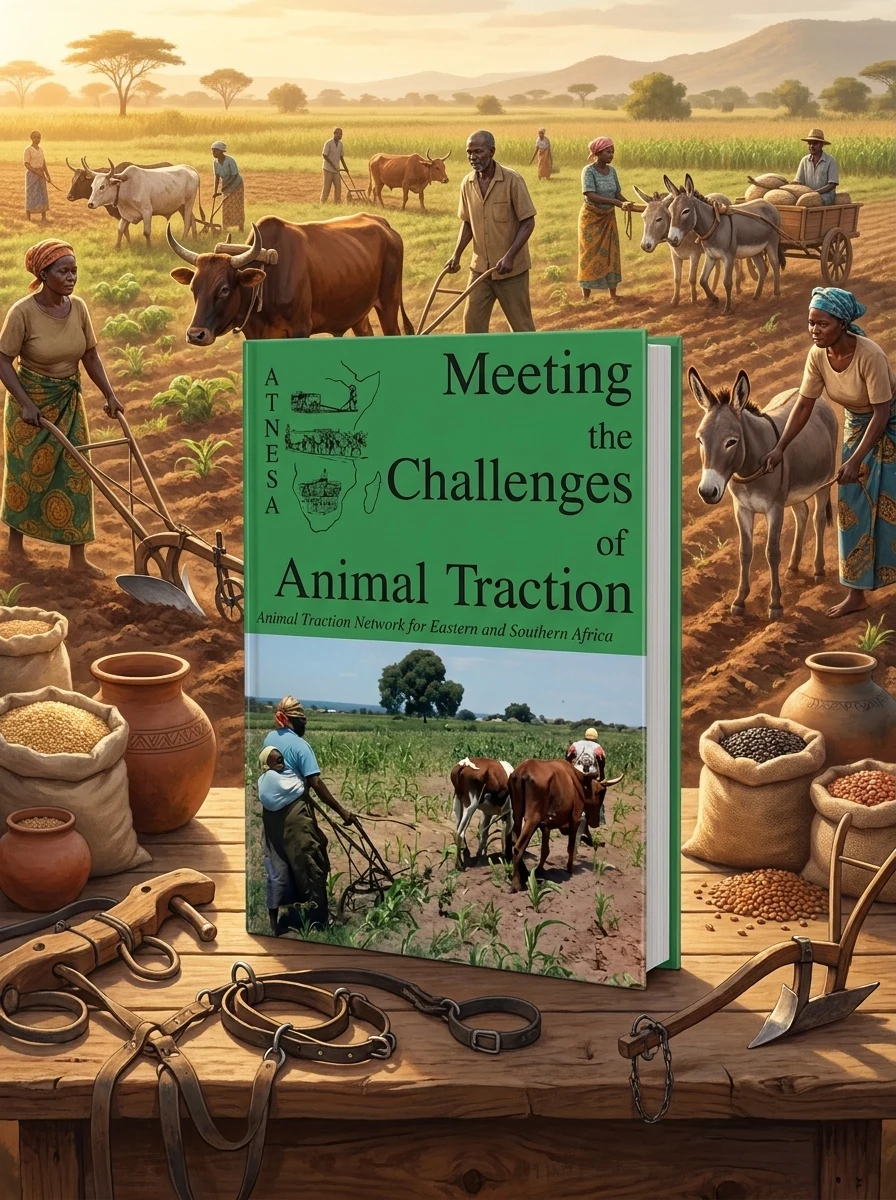

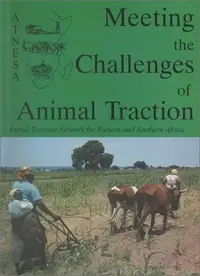
Meeting the Challenges of Animal Traction: A Resource Book of the Animal Traction Network for Eastern and Southern Africa (Atnesa) - Ingram Academic Starkey, Paul
Stock reported in the catalog; fulfillment is confirmed with your request.
Harnessing ancient power for modern development in Africa's rural landscapes.
This comprehensive volume emerges from the ATNESA workshop in Kenya, aggregating insights from experts across twenty-seven nations. It dissects the multifaceted challenges of animal traction, moving beyond simple husbandry to examine the social, environmental, and logistical hurdles facing rural communities. The text offers practical strategies for improving equipment, transport networks, and gender-inclusive development. It serves as a vital manual for professionals seeking to integrate traditional animal power into contemporary agricultural systems, providing a grounded, collaborative perspective on sustainable rural infrastructure.
This text is situated within the realm of practical development studies and agricultural engineering, focusing on sustainable rural infrastructure in Eastern and Southern Africa. It bridges the gap between traditional husbandry practices and modern logistical challenges for professionals in international cooperation.


📝 Description: Meeting the Challenges of Animal Traction: A Resource Book of the Animal Traction Network for Eastern and Southern Africa (Atnesa) - Ingram Academic Starkey, Paul
💎 Expert review
📖 Why choose it
Why this book is worth reading
This volume is an indispensable resource for development professionals, agricultural engineers, and policymakers working in Eastern and Southern Africa who seek to integrate traditional animal power into contemporary systems. It offers a grounded, collaborative perspective on sustainable rural infrastructure, moving beyond simple husbandry to address complex social and environmental hurdles. Readers will gain practical strategies for improving equipment and transport networks while fostering gender-inclusive development. For those dedicated to harnessing ancient power for modern needs in rural landscapes, this manual provides the essential insights required to navigate the multifaceted challenges of animal traction across diverse national contexts.
⭐ Reader reviews
Reader rating
This comprehensive volume serves as a vital manual for specialists seeking to integrate traditional animal power into contemporary agricultural systems, offering a grounded perspective on sustainable rural infrastructure. It successfully aggregates insights from experts across twenty-seven nations to dissect social, environmental, and logistical hurdles. However, it is strictly technical and policy-oriented, making it unsuitable for casual readers or those seeking narrative-driven accounts of African rural life. The dense focus on logistics and equipment improvement means it lacks the accessibility required for general audiences. It is best reserved for professionals who require specific, actionable strategies for gender-inclusive development and transport network improvements in resource-limited settings.
❓ Frequently asked questions
📖 Who should read this
Readers: Development planners, agricultural engineers, NGO workers, and policy makers focused on sustainable rural growth in sub-Saharan Africa. It is essential for those designing interventions that respect local ecological and social structures while improving agricultural efficiency.
🎯 Key themes and symbolism
Participatory Development Strategies
The text emphasizes that successful implementation requires deep community engagement. It argues that top-down approaches fail, advocating instead for models where local farmers actively shape the technology and training processes to ensure cultural relevance and long-term adoption.
Gender and Social Equity
A critical section addresses how animal traction impacts men and women differently. It analyzes labor division and ownership, proposing interventions that empower female farmers and ensure that the benefits of mechanization do not exacerbate existing social inequalities within rural households.
Technical and Environmental Adaptation
The book details the specific engineering and husbandry adjustments needed for tropical environments. It covers equipment durability, veterinary care for draft animals, and the environmental sustainability of using animal power versus fossil fuels in diverse ecological zones across Eastern and Southern Africa.
💬 Quotes from the book
“Participatory research is not merely a method but a moral imperative for sustainable development.”
“The ox is not just a tool, but a partner in the rural economy.”
📜 Historical context
📚 Glossary
- Animal Traction
- Extension Services
- ATNESA
📔 Questions to reflect on
- How might local communities better influence the design of agricultural technologies introduced to their region?
- In what ways does gender shape access to resources and decision-making in rural development projects?
- What are the environmental trade-offs of choosing animal power over mechanized solutions in specific ecosystems?
You might also like
See more →


 91
91