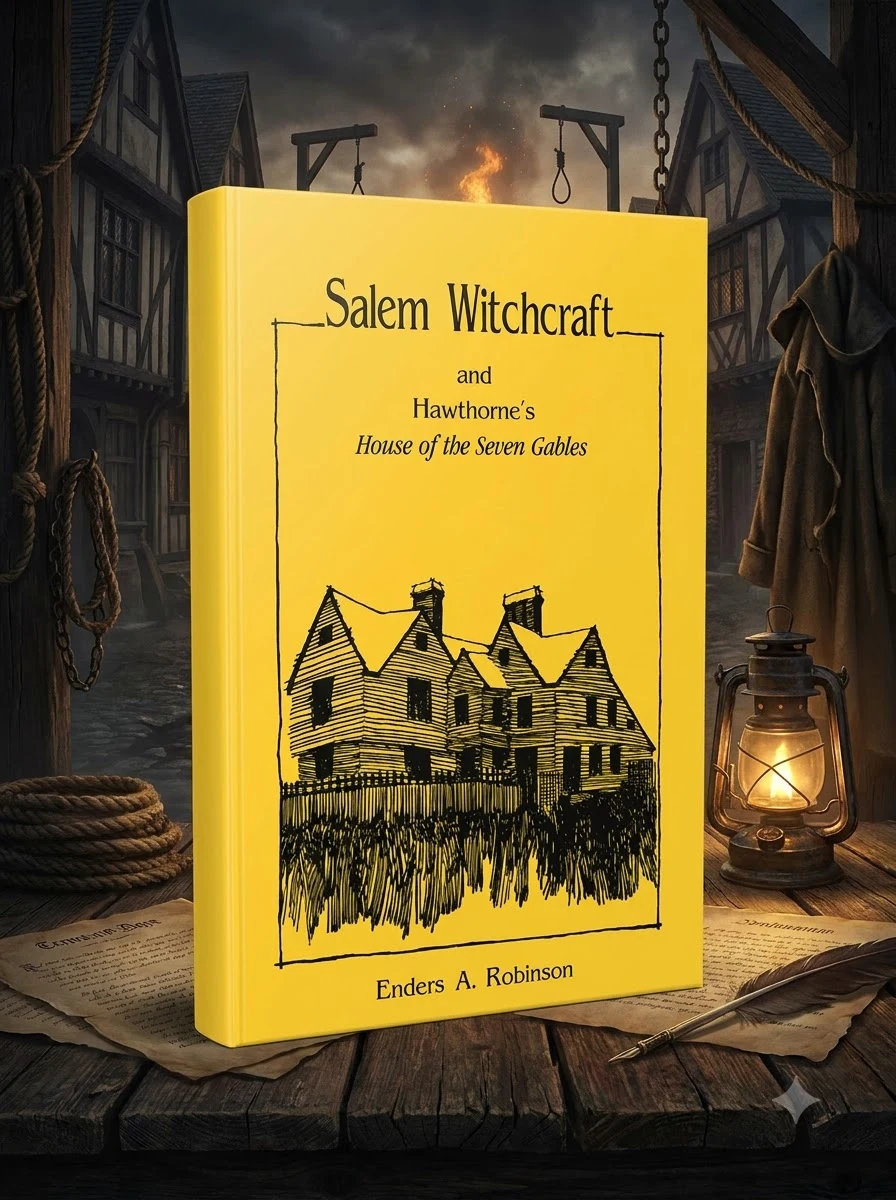
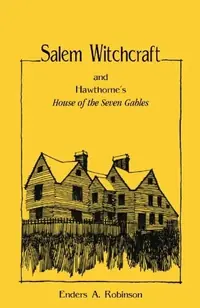
Salem Witchcraft and Hawthorne's "House of the Seven Gables"
Stock reported in the catalog; fulfillment is confirmed with your request.
Unravel the dark threads connecting Salem's infamous trials to a literary masterpiece.
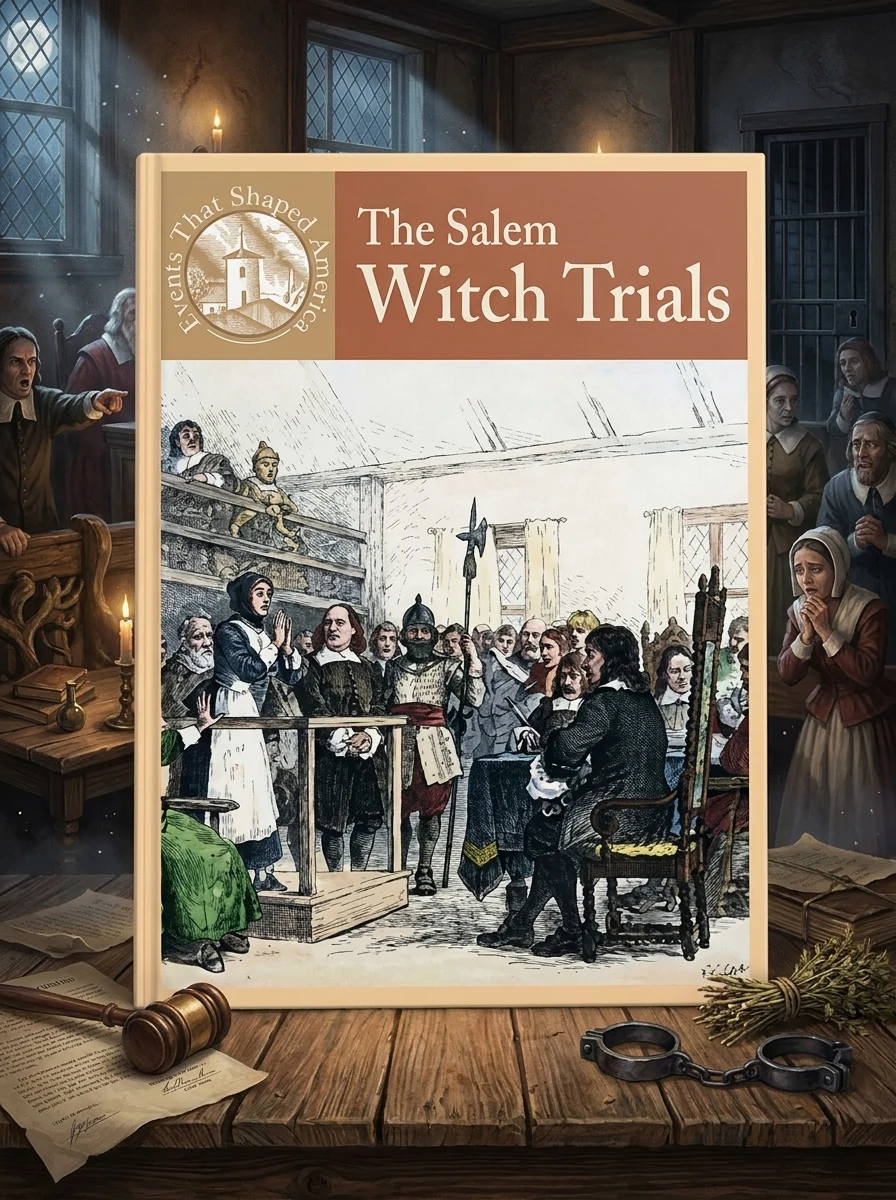
This volume provides a comprehensive and accessible examination of the 1692 Salem witchcraft affair. It meticulously outlines the Puritan context, exposing the underlying circumstances that fueled the witch hunt and identifying individuals who colluded to accuse innocent people. The book also sheds light on the often-forgotten Andover phase, detailing the imprisonment of fifty townspeople. Crucially, it explores Nathaniel Hawthorne's direct ancestral link to a key witch-hunter, John Hathorne, and analyzes how these historical traumas shaped his iconic novel, "The House of the Seven Gables," revealing real-life inspirations for its characters.
This work sits at the intersection of American Puritan history and Gothic literature, bridging the gap between historical fact and its literary reinterpretation in the American Romantic tradition.


📝 Description: Salem Witchcraft and Hawthorne's "House of the Seven Gables"
💎 Expert review
📖 Why choose it
Why this book is worth reading
Readers fascinated by the murky intersection of history and literature will find immense value here. It serves those who want to look beyond the sensationalism of the Salem trials to understand the specific Puritan context that fueled them. By detailing the collusion against innocents and the overlooked Andover phase, it offers a deeper grasp of the era's social dynamics. Furthermore, it is essential for fans of Hawthorne who wish to see how his ancestral ties to John Hathorne directly influenced the dark themes and character inspirations in 'The House of the Seven Gables,' transforming personal family history into a timeless gothic masterpiece.
⭐ Reader reviews
Reader rating
This volume offers a meticulous examination of the 1692 events, providing clear insights into the Puritan context and the specific individuals who colluded to accuse others. It successfully illuminates the lesser-known Andover phase and draws compelling lines to Hawthorne’s work. However, readers seeking dry, academic historiography may find it too narrative-driven, while those expecting pure literary criticism without historical grounding might feel the balance is off. It is not for casual browsers wanting only ghost stories; it demands an interest in the factual underpinnings of the witch hunts and their direct impact on American literary canon.
❓ Frequently asked questions
📖 Who should read this
If you're drawn to the enigmatic history of colonial America, fascinated by the Salem Witch Trials, or seek to understand the profound influence of historical trauma on American literature, this book offers compelling insights. It's essential reading for those intrigued by the intersection of history, psychology, and the supernatural.
🎯 Key themes and symbolism
Salem's Dark Chapter
The book meticulously reconstructs the 1692 witchcraft panic, delving into its Puritan origins and the social dynamics that fueled accusations. It exposes the orchestrated nature of the witch hunt, emphasizing the role of the "old guard" and the tragic fate of many, particularly in the Andover community, beyond the more famous Salem Village cases.
Hawthorne's Ancestral Echoes
This section explores the profound personal and literary connection between Nathaniel Hawthorne and his witch-hunting ancestor, John Hathorne. It examines how the trauma of Salem permeated Hawthorne's psyche and subsequently his fiction, particularly in "The House of the Seven Gables," where historical figures find new life as fictional characters.
Colonial American Justice
The text scrutinizes the legal and social mechanisms of 17th-century New England that enabled and perpetuated the witchcraft trials. It offers insight into the Puritan worldview, the interpretation of evidence, and the power structures that led to widespread imprisonment and executions, painting a vivid picture of justice warped by fear and religious fervor.
💬 Quotes from the book
“The web of accusation in Salem was not spun from isolated delusion, but meticulously woven by individuals leveraging communal anxieties for specific, often unacknowledged, ends.”
“Hawthorne wrestled with the inherited shadow of his ancestor's role, channeling the pervasive guilt and moral ambiguity of Salem into the very stone and timber of his literary constructs.”
📜 Historical context
📚 Glossary
- Puritanism
- Spectral Evidence
- Tercentenary
📔 Questions to reflect on
- Reflect on how historical injustices, like the Salem Witch Trials, can reverberate through generations and influence later cultural expressions.
- Consider the role of "conspirators" or powerful factions in historical events. How might individual biases contribute to collective delusion or injustice?
- If you were a descendant of a figure from the Salem trials, how might you approach their legacy, both personally and artistically?
🏛 Books from this publisher Heritage Books
All books from this publisher →
You might also like
See more →
 91
91