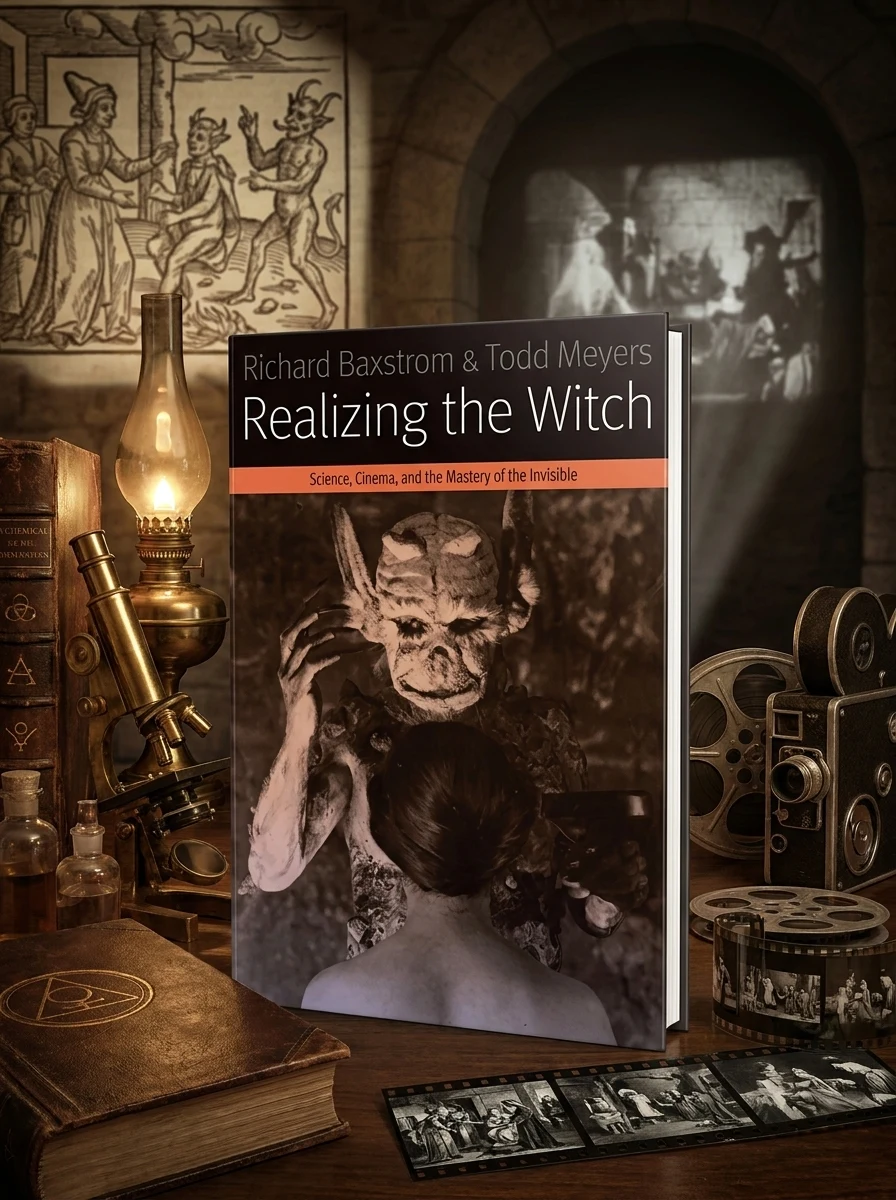
Realizing the Witch: Science, Cinema, and the Mastery of the Invisible - Ingram Academic Baxstrom, Richard
Baxstrom, Richard; , Meyers, ToddThis edition can be ordered. No arrival date is confirmed.
Uncover how a century-old film dared to dissect the witch, blending science with cinematic spectacle.
Realizing the Witch offers a deep dive into Benjamin Christensen's landmark 1922 film, Häxan. This singular cinematic work fused scientific analysis with dramatic historical scenes of witchcraft, torture, and possession, igniting a re-evaluation of past persecutions and contemporary attitudes toward mental illness. Baxstrom and Meyers explore how Häxan became central to 1920s discussions on film's role in scientific evidence, the evolving study of religion, and connections between popular culture, art, medicine, and psychology. They reveal how Christensen's effort to demystify the "witch" inadvertently validated the irrationality he aimed to dispel.
This academic work situates itself within the intersection of film studies, medical history, and religious scholarship during the 1920s. It explores how early cinema served as a platform for scientific discourse regarding mental illness and societal perceptions of witchcraft.


📝 Description: Realizing the Witch: Science, Cinema, and the Mastery of the Invisible - Ingram Academic Baxstrom, Richard
💎 Expert review
📖 Why choose it
Why this book is worth reading
Scholars of early cinema and historians of medicine will find this text indispensable for understanding how Benjamin Christensen’s Häxan bridged the gap between artistic expression and scientific inquiry. Readers interested in the cultural construction of madness and the history of witchcraft persecutions will appreciate the nuanced analysis of how film can function as evidence. By examining the paradox where an attempt to demystify the supernatural inadvertently validates it, the book offers a profound lesson on the power of visual media. It is essential for those who wish to grasp how 1920s intellectual circles debated the boundaries between religion, psychology, and popular culture through the lens of cinematic spectacle.
⭐ Reader reviews
Reader rating
This rigorous academic study provides a compelling look at Häxan’s role in interwar debates on science and superstition. However, it is not suited for casual readers seeking entertainment or simple historical narratives about witches. Those expecting straightforward plot analysis or accessible pop-history may find the dense theoretical framework dry and overly specialized. It requires patience and a background in film theory or medical humanities to fully engage with its arguments about cinematic evidence. The book is best reserved for those specifically interested in the scholarly intersection of art, medicine, and religious studies during the early twentieth century.
❓ Frequently asked questions
📖 Who should read this
If you're fascinated by cinema's cultural impact, the evolution of witchcraft studies, or the historical intersection of science, art, and psychology, this book offers a compelling exploration. It's essential reading for understanding how a single film can shape intellectual and societal discourse.
🎯 Key themes and symbolism
Film as Scientific Evidence
The book explores how Häxan challenged and shaped contemporary debates about cinema's capacity to present objective scientific truths. It examines the tension between film as a documentarian and a creative medium, particularly in its portrayal of historical and psychological phenomena related to witchcraft, questioning the very nature of visual evidence.
Reinterpreting the Witch
This work details Häxan's radical approach to re-evaluating historical witchcraft accusations. By juxtaposing medieval scenes with modern psychological concepts, the film prompts a humanist understanding of the persecuted, linking past "witches" to contemporary "hysterics" and the mentally ill. The book explores how this challenged traditional demonic interpretations.
Intersections of Knowledge
The authors illuminate how Häxan served as a nexus for early 20th-century discussions on the intricate relationships between popular culture, artistic expression, scientific study, and emerging psychological theories. It analyzes how the film navigated the fuzzy boundaries between these disciplines, particularly regarding understanding belief systems and human behavior.
💬 Quotes from the book
“Christensen's audacious cinematic experiment forced contemporary audiences to confront the unsettling parallels between medieval superstition and nascent scientific explanations of human deviance.”
“The film's most enduring legacy lies not just in its visceral spectacle, but in its profound challenge to the very notion of 'objective' scientific film, revealing the inherent biases in our attempts to master the irrational.”
📜 Historical context
📚 Glossary
- Häxan
- Humanist Re-evaluation of Witchcraft
- Female "Hysterics"
📔 Questions to reflect on
- Consider how modern media, like documentaries or true-crime series, might similarly blur the lines between objective reporting and dramatic interpretation, influencing public understanding of complex phenomena.
- How does Häxan's attempt to rationalize witchcraft through early 20th-century science mirror or diverge from contemporary attempts to explain paranormal or esoteric experiences?
- Reflect on how historical interpretations of "madness" or "hysteria" impact our present-day understanding of mental health, especially concerning marginalized groups.
📖 From the series “Forms of Living”
All books in the series →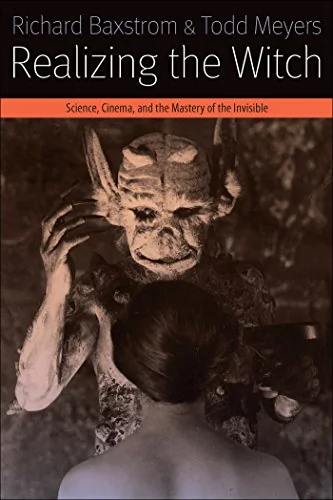
✍️ More books by this author Baxstrom, Richard; , Meyers, Todd
All books by this author →🏛 Books from this publisher Fordham University Press
All books from this publisher →
You might also like
See more →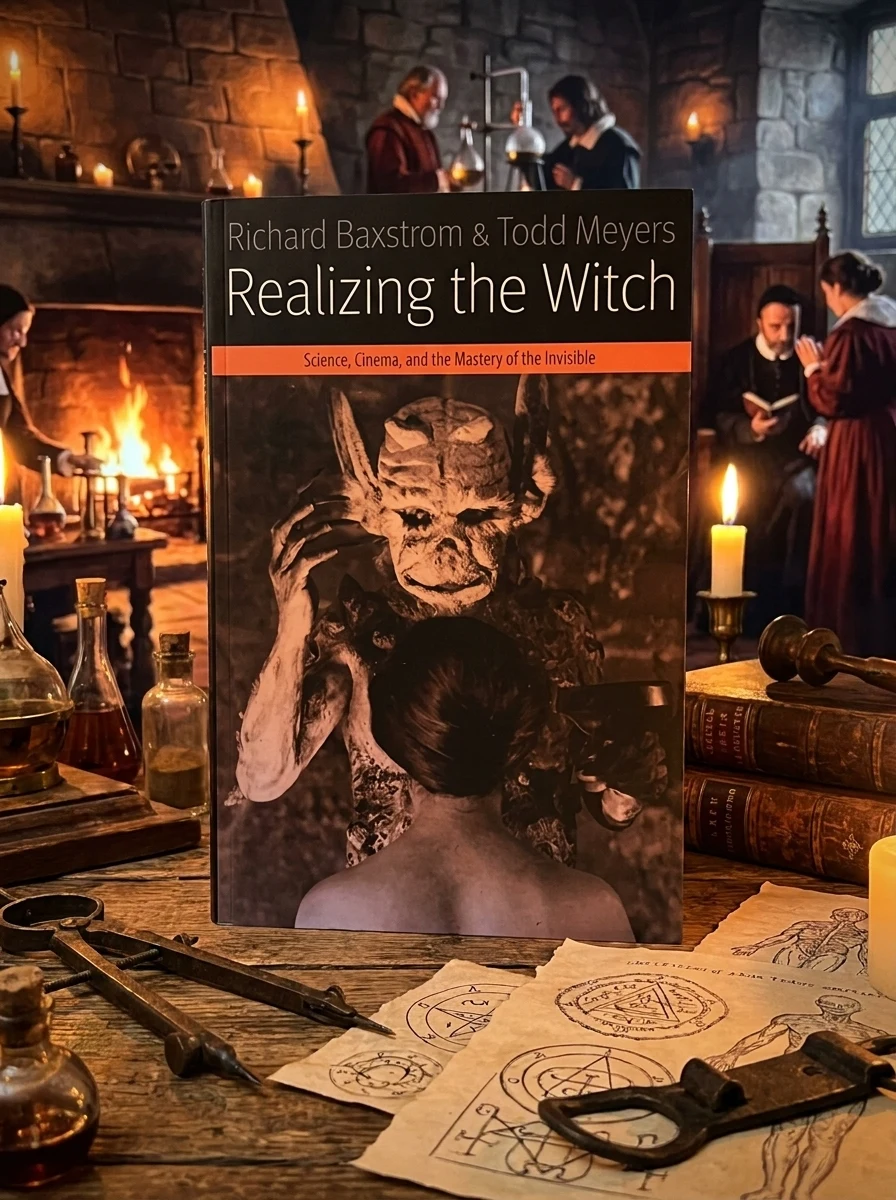

 91
91