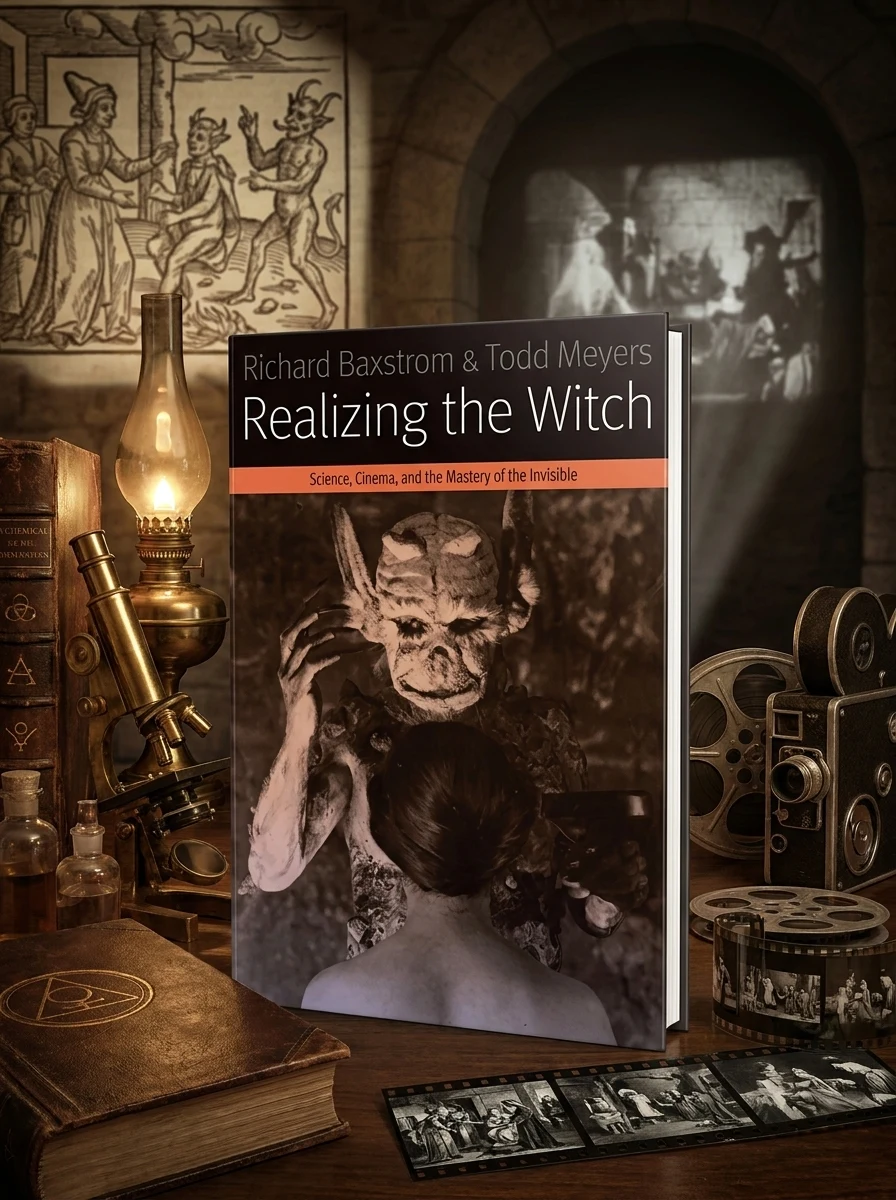
Realizing the Witch: Science, Cinema, and the Mastery of the Invisible - Ingram Academic Baxstrom, Richard
Baxstrom, Richard; , Meyers, Todd 85
85
 Editorial score
How we rate
Editorial score
How we rate
Stock reported in the catalog; fulfillment is confirmed with your request.
Uncover how cinema's gaze transformed the witch into a subject of science and spectacle.
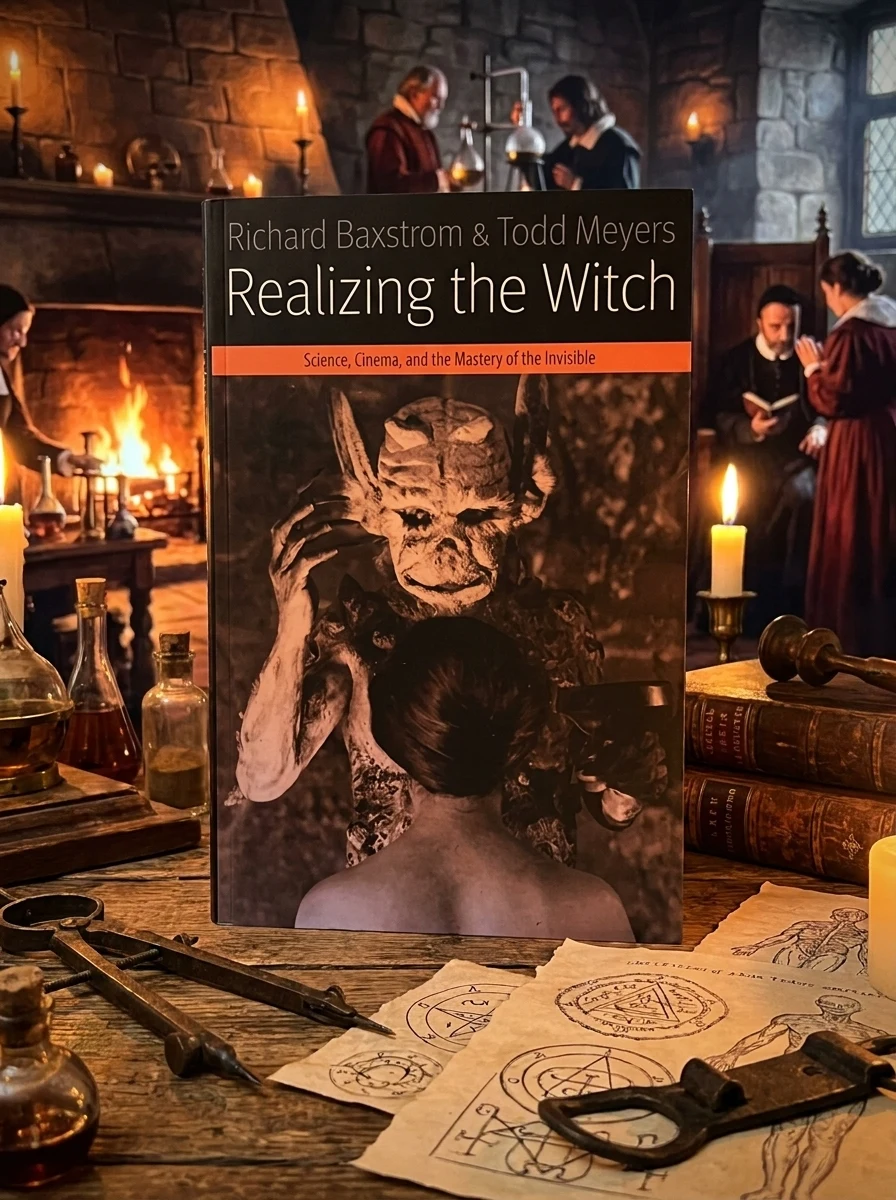
Delve into Realizing the Witch, an insightful exploration by Baxstrom and Meyers of Benjamin Christensen's groundbreaking 1922 film, Häxan. This book dissects how the cinematic masterpiece, with its unique blend of historical dramatization and scientific inquiry, reshaped perceptions of witchcraft. It reveals how Häxan served as a pivotal lens for 1920s intellectual discourse, examining the intertwined roles of film, anthropology, medicine, and popular culture in understanding the "invisible" world. The authors critically assess the film's ambitious attempt to rationalize the supernatural, questioning whether it inadvertently reinforced the very mysteries it aimed to demystify.
This academic work situates itself within the intersection of occult studies and film theory, analyzing how early twentieth-century cinema redefined witchcraft through scientific and anthropological lenses.


📝 Description: Realizing the Witch: Science, Cinema, and the Mastery of the Invisible - Ingram Academic Baxstrom, Richard
💎 Expert review
📖 Why choose it
Why this book is worth reading
Scholars and cinephiles fascinated by the historical construction of supernatural beliefs will find this text invaluable. It offers a unique perspective on how the 1920s intellectual discourse utilized film to rationalize the occult, blending anthropology with medical inquiry. Readers interested in the evolution of witchcraft perceptions from spiritual entities to subjects of scientific scrutiny will appreciate the critical assessment of how Häxan reshaped cultural understanding. The book provides essential context for anyone studying the mastery of the invisible through cinematic spectacle.
⭐ Reader reviews
Reader rating
Baxstrom and Meyers provide a rigorous academic dissection of Häxan, appealing primarily to those with backgrounds in film studies or anthropology. However, casual readers seeking a straightforward history of witchcraft or entertainment will likely find this text dry and overly theoretical. It does not suit audiences looking for practical occult knowledge or narrative-driven historical accounts. The dense integration of scientific inquiry and cinematic analysis may alienate generalists who prefer accessible storytelling over critical academic discourse on the demystification of the supernatural in early cinema.
❓ Frequently asked questions
📖 Who should read this
If you are fascinated by the intersection of early cinema, the history of witchcraft, and the evolution of scientific thought, this book offers a compelling journey. It's for those who appreciate critical analysis of cultural artifacts and their profound societal impact.
🎯 Key themes and symbolism
Film as Scientific Evidence
This book explores how early 20th-century cinema, particularly Häxan, was considered a tool for scientific investigation and societal commentary. It analyzes the tension between visual spectacle and empirical truth, showing how film attempted to "document" the unseen and influence public understanding of historical phenomena like witchcraft and hysteria.
Anthropology of Belief
The authors examine how Häxan contributed to the burgeoning anthropological and historical study of religion, specifically witchcraft. They delve into how the film attempted to reframe supernatural beliefs through a humanist lens, seeking to understand the cultural and psychological underpinnings of historical accusations and persecutions, rather than simply dismissing them.
Art, Science, and the Occult
This work investigates the intricate connections between artistic expression, scientific methodology, and popular concepts surrounding the occult. It highlights how Häxan blurred conventional boundaries, using cinematic art to engage with medical, psychological, and anthropological theories of its time, ultimately questioning the nature of rationality when confronting the "irrational."
💬 Quotes from the book
“Häxan opens a window onto wider debates in the 1920s regarding the relationship of film to scientific evidence, the evolving study of religion from historical and anthropological perspectives, and the complex relations between popular culture, artistic expression, and concepts in medicine and psychology.”
“Baxstrom and Meyers reveal how Christensen's attempt to tame the irrationality of 'the witch' risked validating the very 'nonsense' that such an effort sought to master and dispel.”
📜 Historical context
📚 Glossary
- Häxan
- Humanist Re-evaluation
- Female Hysterics
📔 Questions to reflect on
- How might our contemporary understanding of mental health be critiqued through a similar lens as Häxan critiqued historical perceptions of witchcraft?
- Consider a modern "genre-bending" cultural artifact (film, book, art) that attempts to bridge science and the supernatural. What are its strengths and inherent risks?
- If film is considered a form of "scientific evidence," what ethical considerations arise when historical events, especially those involving marginalized groups, are dramatized for educational or entertainment purposes?
📖 From the series “Forms of Living”
All books in the series →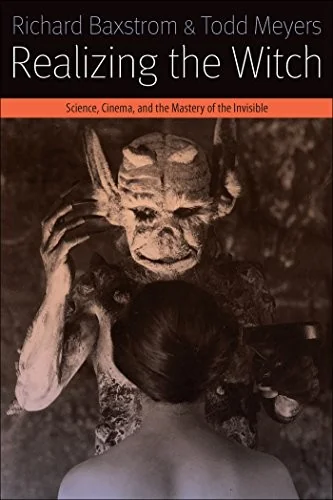
✍️ More books by this author Baxstrom, Richard; , Meyers, Todd
All books by this author →🏛 Books from this publisher Fordham University Press
All books from this publisher →
You might also like
See more →