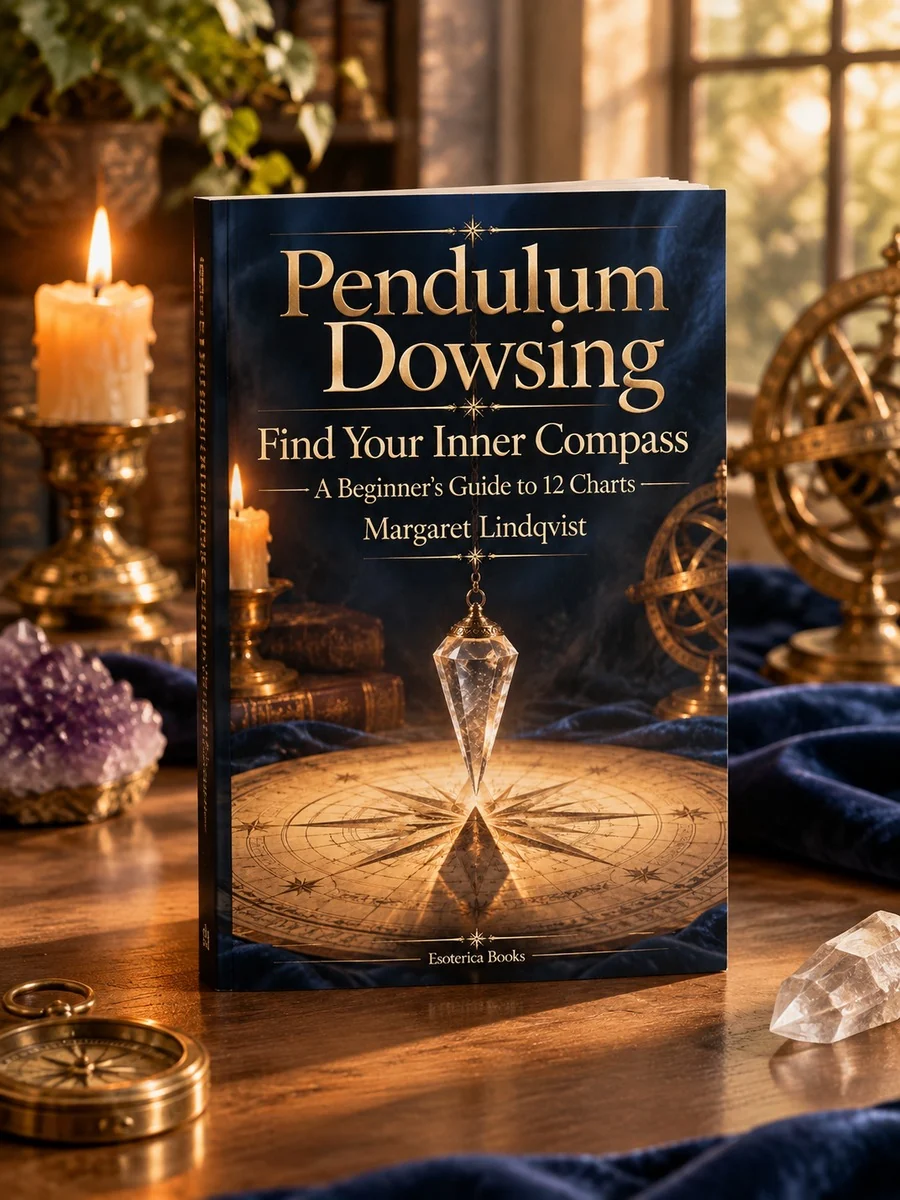
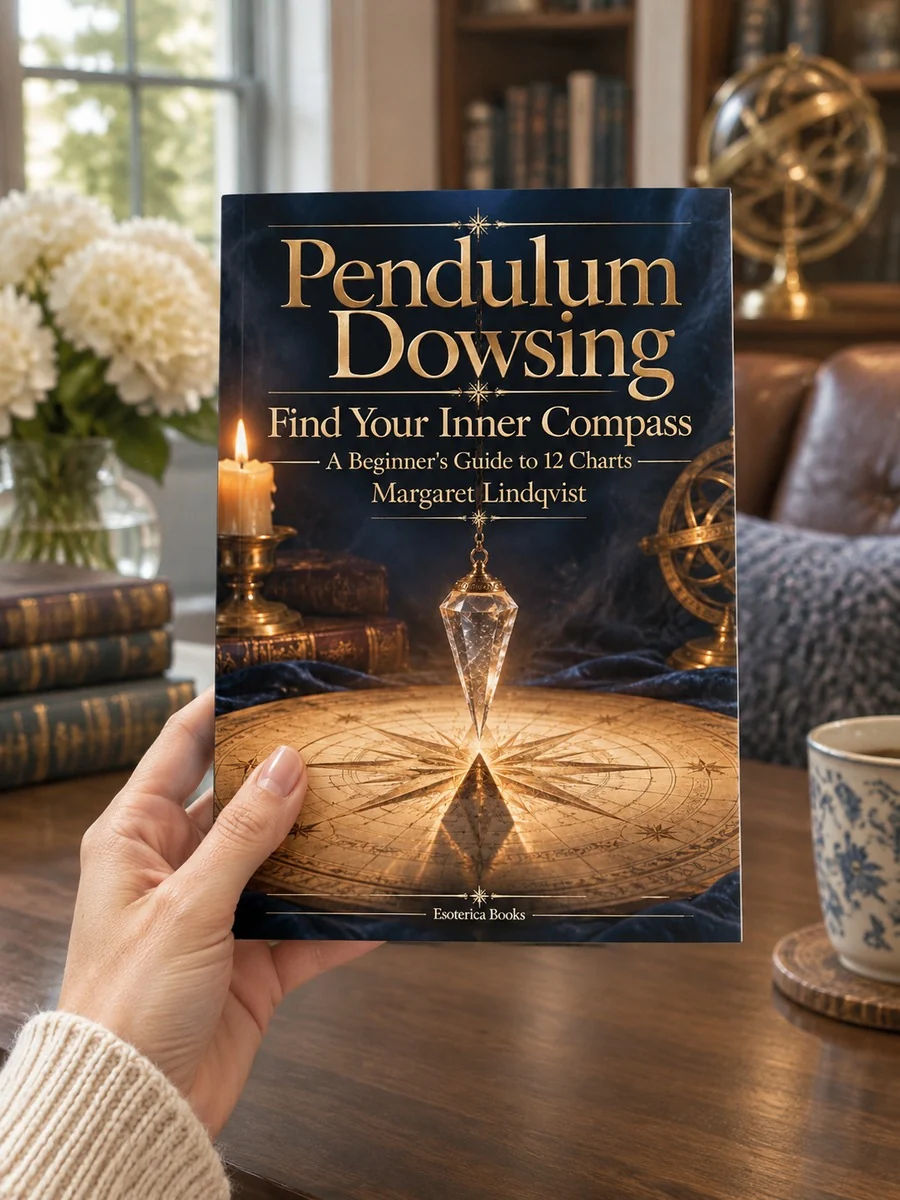
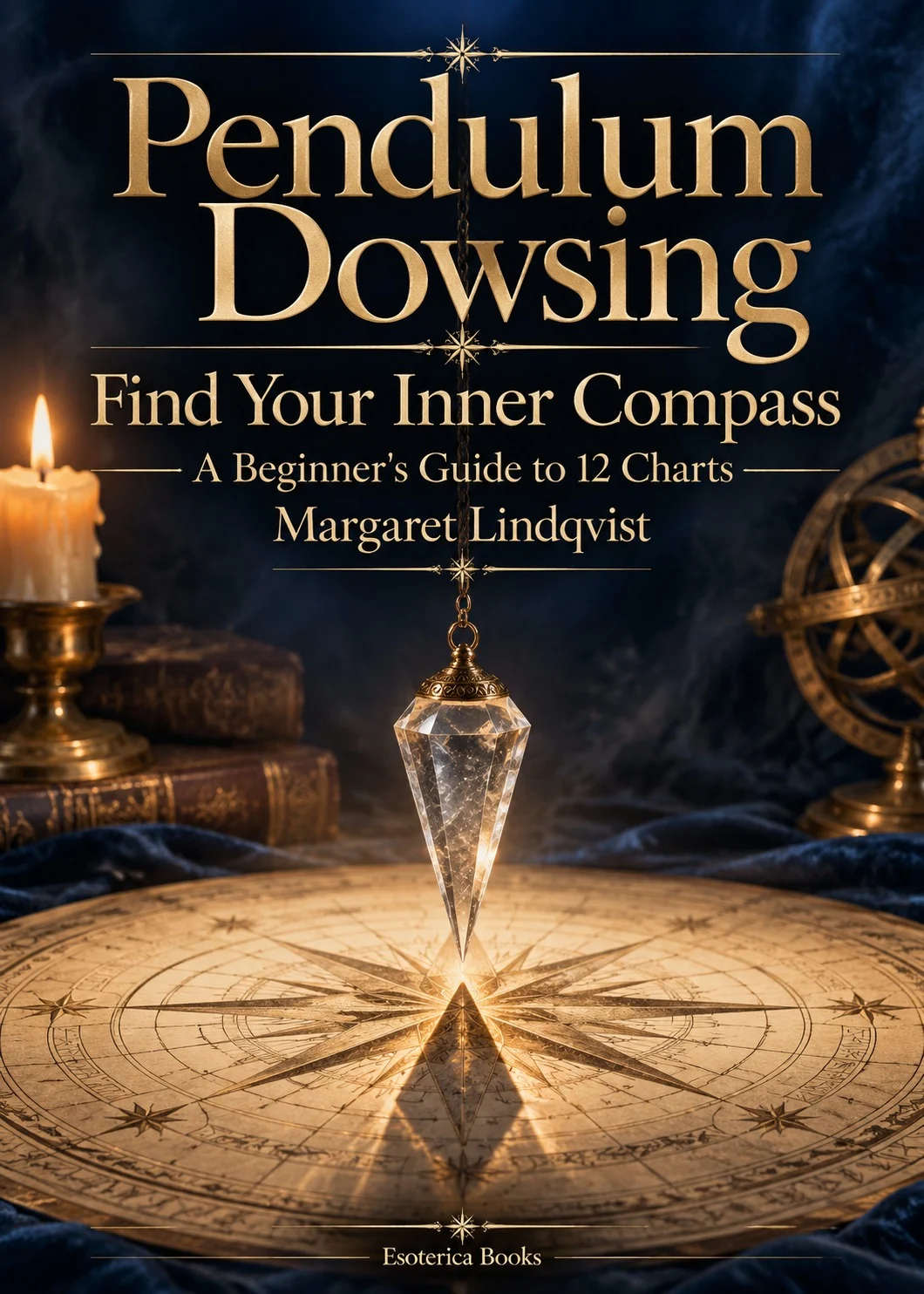
Pendulum Dowsing: Find Your Inner Compass
Discover your pendulum’s personal language, ask clearer questions, and explore 12 practical dowsing charts.
Pendulum dowsing begins with a simple question: how do you recognize the movements of your pendulum and give them meaning? Margaret Lindqvist introduces The Pendulum Compass, a five-step method for developing a personal practice through preparation, calibration, focused questions, chart exploration, and reflection. Learn to establish your own Yes, No, and Uncertain responses, work with twelve practical dowsing charts, create custom boards, and keep a journal of your sessions. This beginner-friendly guide brings together practical exercises, spiritual symbolism, and thoughtful self-exploration.
Pendulum dowsing belongs to a broad contemporary landscape of spiritual and intuitive practices in which the movement of a suspended object is given personal meaning. In this guide, the pendulum serves as a tool for exploring symbolism, intention, and reflection, with individual response conventions rather than universal interpretations.


📝 Description: Pendulum Dowsing: Find Your Inner Compass
📖 Why choose it
Why this book is worth reading
The real challenge of pendulum dowsing is not getting a pendulum to swing; it is learning to observe its movement consistently and ask questions clearly. This guide tackles that challenge with an accessible first-session exercise, three calibration questions, and twelve practical chart designs. Its five-stage method gives beginners a structure they can return to, while the sections on uncertain responses, custom boards, and journaling help make the practice more deliberate. Particularly useful is its attention to the difference between observing a movement and interpreting it.
⭐ Reader reviews
Reader rating
Margaret Lindqvist offers a clearly organized introduction to pendulum dowsing, with a useful emphasis on calibration before moving into more elaborate charts. The first-session exercise is particularly practical: readers are given specific questions, physical instructions, and a simple three-section chart to try. The twelve-chart framework, guidance on rephrasing unclear questions, and journal structure give the method a welcome sense of continuity. The treatment of spiritual connection is measured, leaving room for personal interpretation. One limitation is that experienced practitioners looking for extensive historical background or advanced specialist techniques may find the approach introductory. For newcomers, however, the progression is sensible and approachable.
❓ Frequently asked questions
📖 Who should read this
Ideal for curious beginners who want practical guidance on pendulum dowsing, as well as spiritual practitioners interested in developing a more structured personal routine. Readers seeking advanced historical research or an extensive exploration of specialized traditions may want a more focused reference.
🎯 Key themes and symbolism
Pendulum Calibration
Dowsing Charts
Focused Questions
Spiritual Reflection
📜 Historical context
📚 Glossary
- Pendulum
- Calibration
- Dowsing chart
- Dowsing journal
- Directional diagram
- Uncertain
📔 Questions to reflect on
- What personal meanings do I associate with the different movements of my pendulum, and how did I establish those interpretations?
- Which recurring questions in my life would benefit from clearer, more neutral wording?
- What patterns, uncertainties, or personal themes have I noticed in my dowsing journal, and how might I reflect on them more thoughtfully?
📖 Read on the blog
✍️ More books by this author Margaret Lindqvist
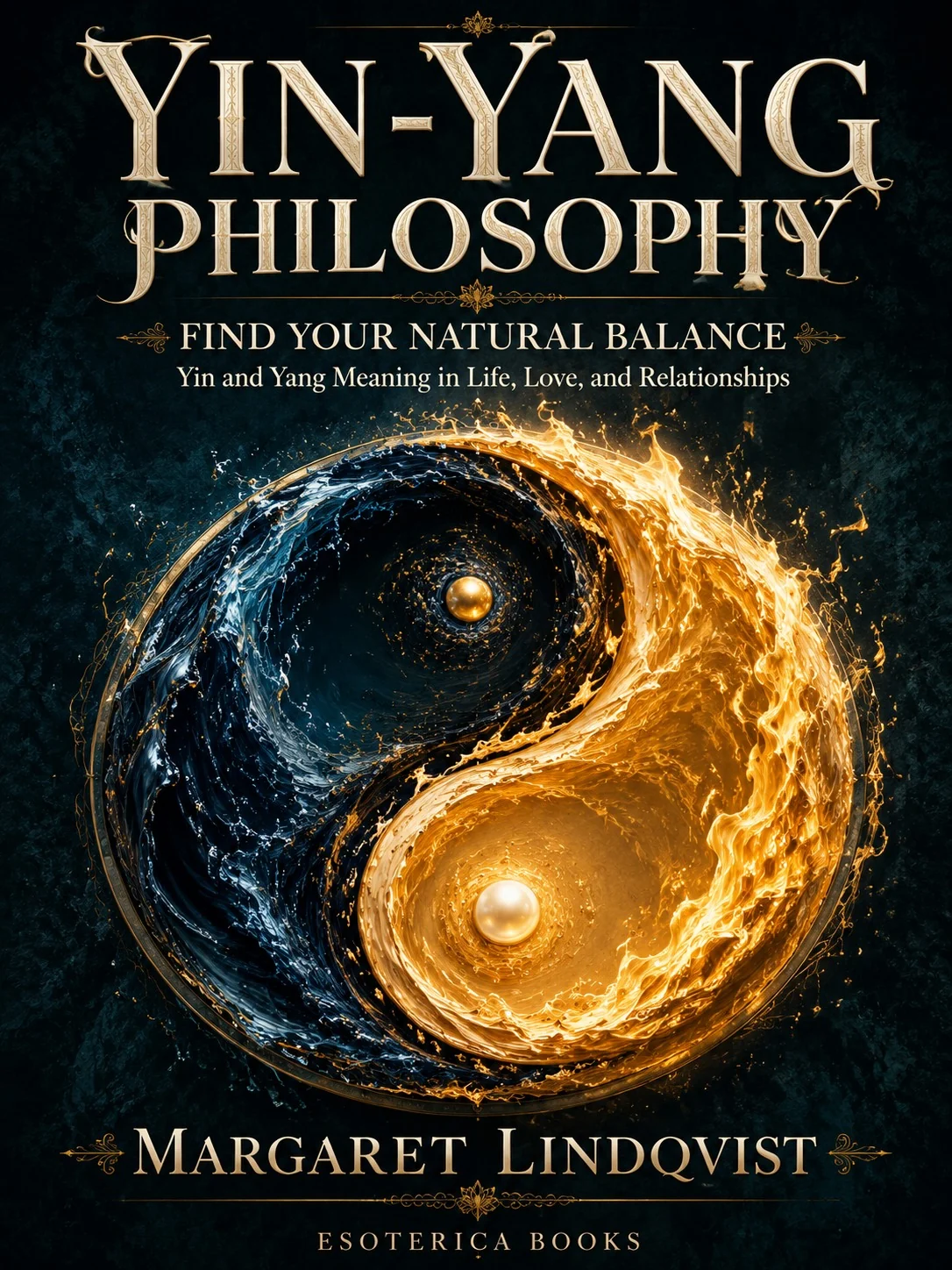



🏛 Books from this publisher Esoterica Books
All books from this publisher →



You might also like
See more →


Have a question about this item?
Ask about the edition, condition, delivery or anything else — we reply by email or phone, usually within a day.
