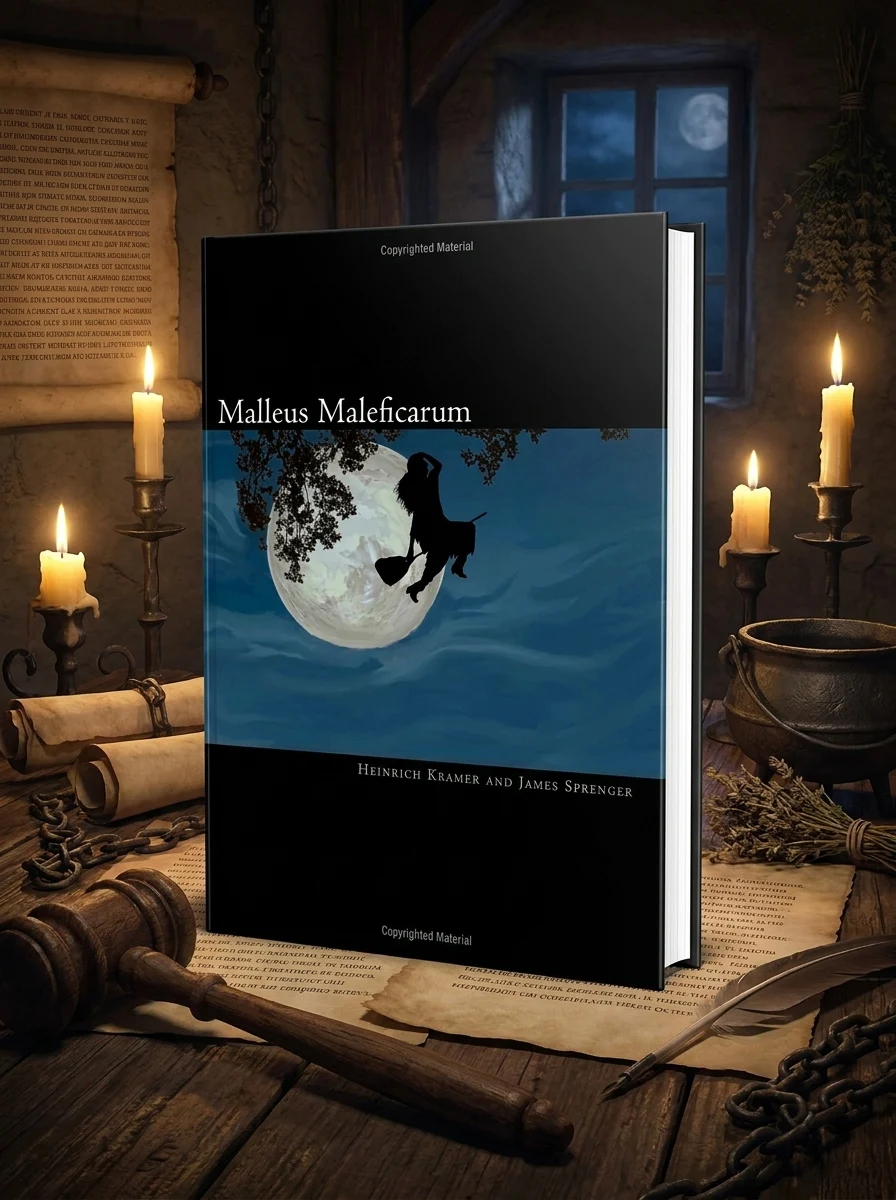
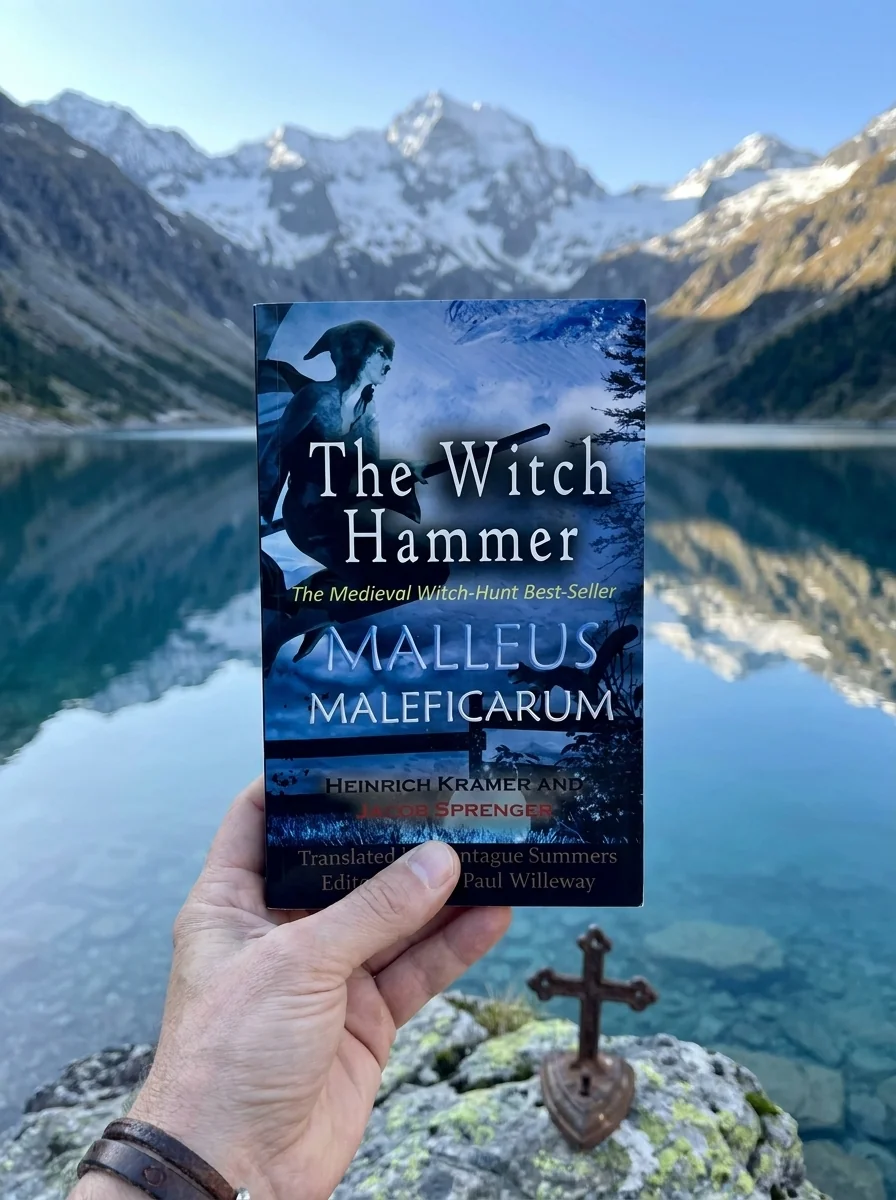
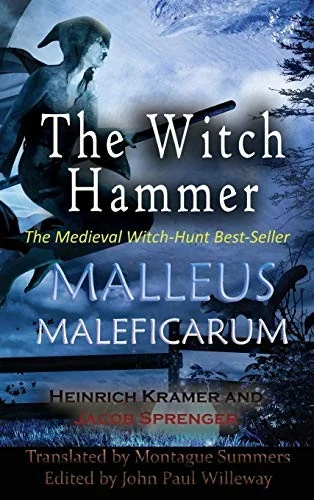
Malleus Maleficarum
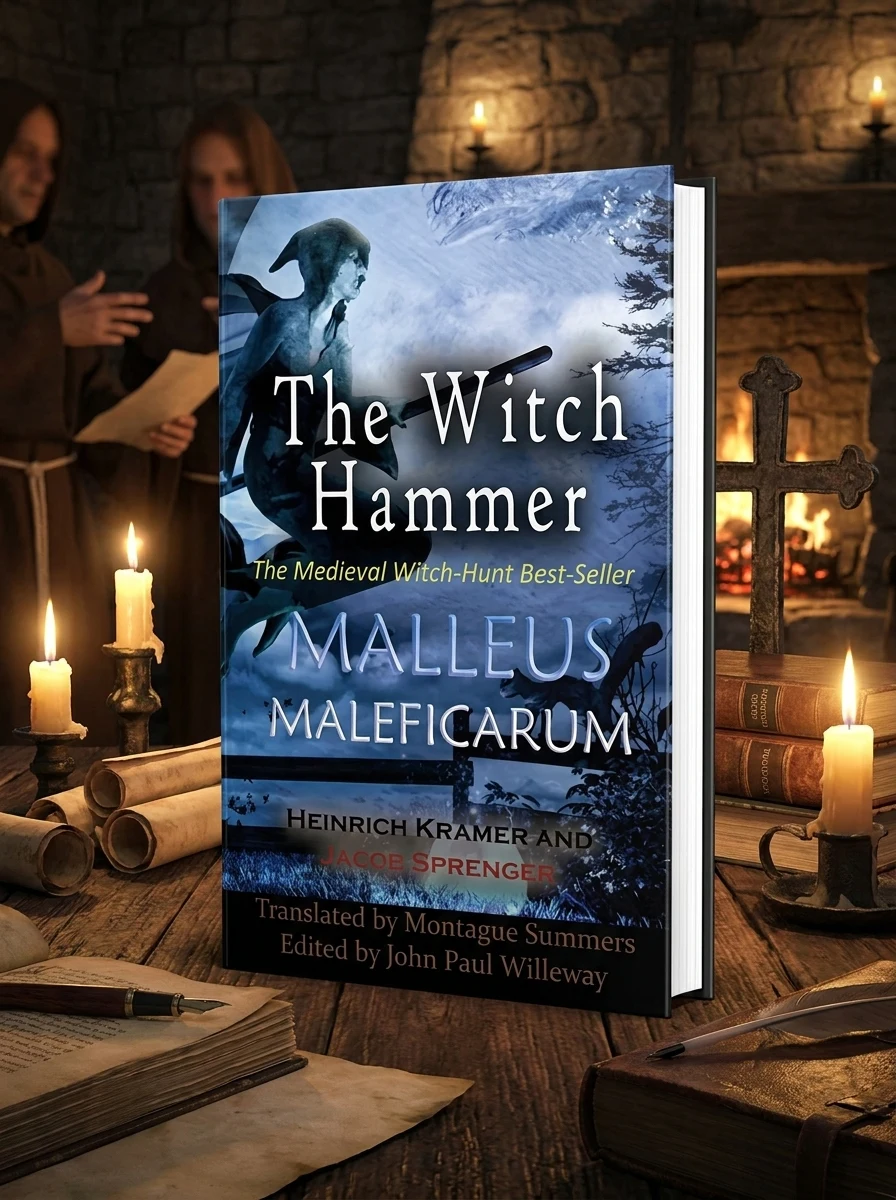
✍️ Kramer, Heinrich;, Sprenger and 3 moreFirst published in 1487 by the Catholic clergyman Heinrich Kramer, the 'Malleus Maleficarum' stands as arguably the most infamous and influential treatise on witchcraft. This text, also known as 'The Witch's Hammer,' achieved extraordinary sales, becoming second only to the Bible in its reach for almost two centuries. Despite its immense popularity, it was met with significant condemnation from leading Inquisition theologians at the Faculty of Cologne, who criticized its recommendations for unethical procedures, illegal methods, and inconsistencies with established Catholic demonology. Yet, its impact on judicial and religious persecution of alleged witches was profound and devastating.


📝 Description: Malleus Maleficarum
💎 Expert review
📖 Why choose it
Why this book is worth reading
Readers with a deep interest in the historical roots of Western esotericism and the sociology of fear will find this volume indispensable. It offers an unvarnished look at the ideological machinery that drove centuries of persecution, providing essential context for understanding how fear was institutionalized. Scholars of theology, legal history, and gender studies will gain profound insight into the mechanisms of power and control utilized by religious authorities during this era. By examining the text's immense influence despite official condemnation, readers can better comprehend the complex interplay between doctrine, law, and popular belief in shaping societal norms and justifying violence against marginalized groups.
⭐ Reader reviews
Reader rating
This is a dense, historical document rather than an accessible guide for modern practitioners of Wicca or contemporary occultism. It serves best as an academic resource for those studying the history of witch hunts, not as a spiritual tool. Readers seeking friendly community, ethical magic, or lighthearted fantasy will find its content grim, legally oriented, and heavily steeped in medieval theological rigidity. It is not suitable for casual readers expecting narrative flow or modern sensibilities; instead, it demands a scholarly approach to understand its devastating impact on judicial procedures and religious persecution during its time.
❓ Frequently asked questions
📖 Who should read this
This essential, albeit disturbing, work is for scholars of medieval history, religious studies, and the darker currents of human belief. If you seek to understand the origins of systemic persecution and the profound impact of fear on society, this foundational text awaits your careful study.
🎯 Key themes and symbolism
Witchcraft & Persecution
The book meticulously outlines the supposed nature of witchcraft, detailing how witches form pacts with the devil, the various harms they inflict, and, most chillingly, the systematic methods for their identification, interrogation, and eventual condemnation. It serves as a guide for rooting out and punishing alleged practitioners.
Medieval Demonology
It constructs a comprehensive theological framework for understanding demonic influence, magic, and the devil's role in human affairs. The text intertwines these beliefs deeply within Catholic doctrine, providing a detailed, albeit controversial, explanation of supernatural evil prevalent in the late medieval mind.
Legal & Moral Authority
The 'Malleus Maleficarum' asserts the Church's and secular courts' absolute right and moral imperative to eradicate witchcraft. It offers a pseudo-legalistic blueprint for judicial proceedings, emphasizing the necessity of extreme measures to combat perceived satanic threats to Christian society and order.
📜 Historical context
📚 Glossary
- Inquisition
- Demonology
- Maleficarum
📔 Questions to reflect on
- How did this text contribute to the historical persecution of marginalized groups, and what lessons can be drawn for contemporary society?
- What are the modern-day parallels to the fear, fundamentalism, and 'othering' described and promoted in this work?
- Considering its profound influence, how does the 'Malleus Maleficarum' challenge our understanding of justice, moral authority, and human cruelty?