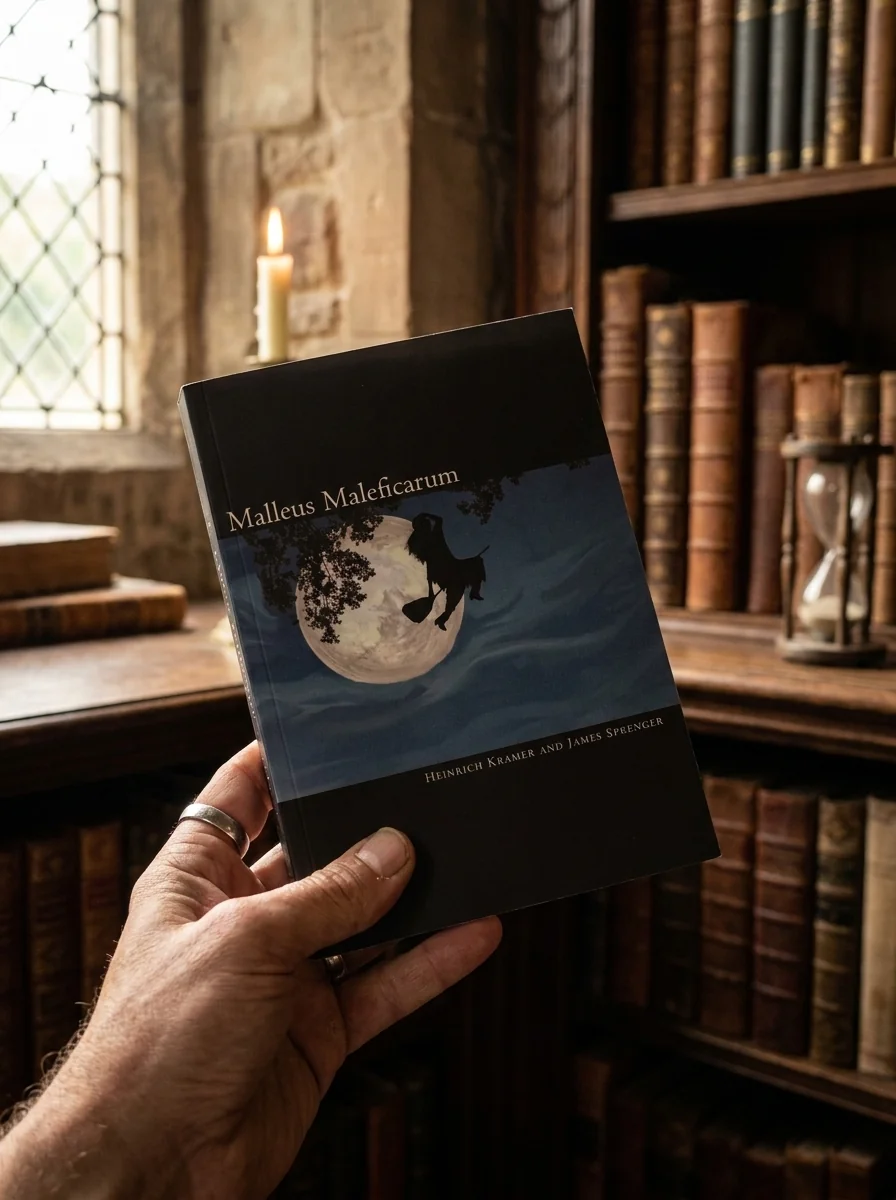
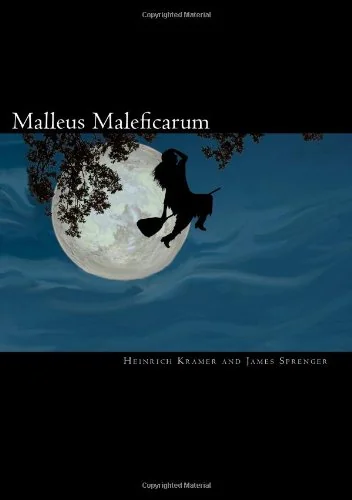
Malleus Maleficarum
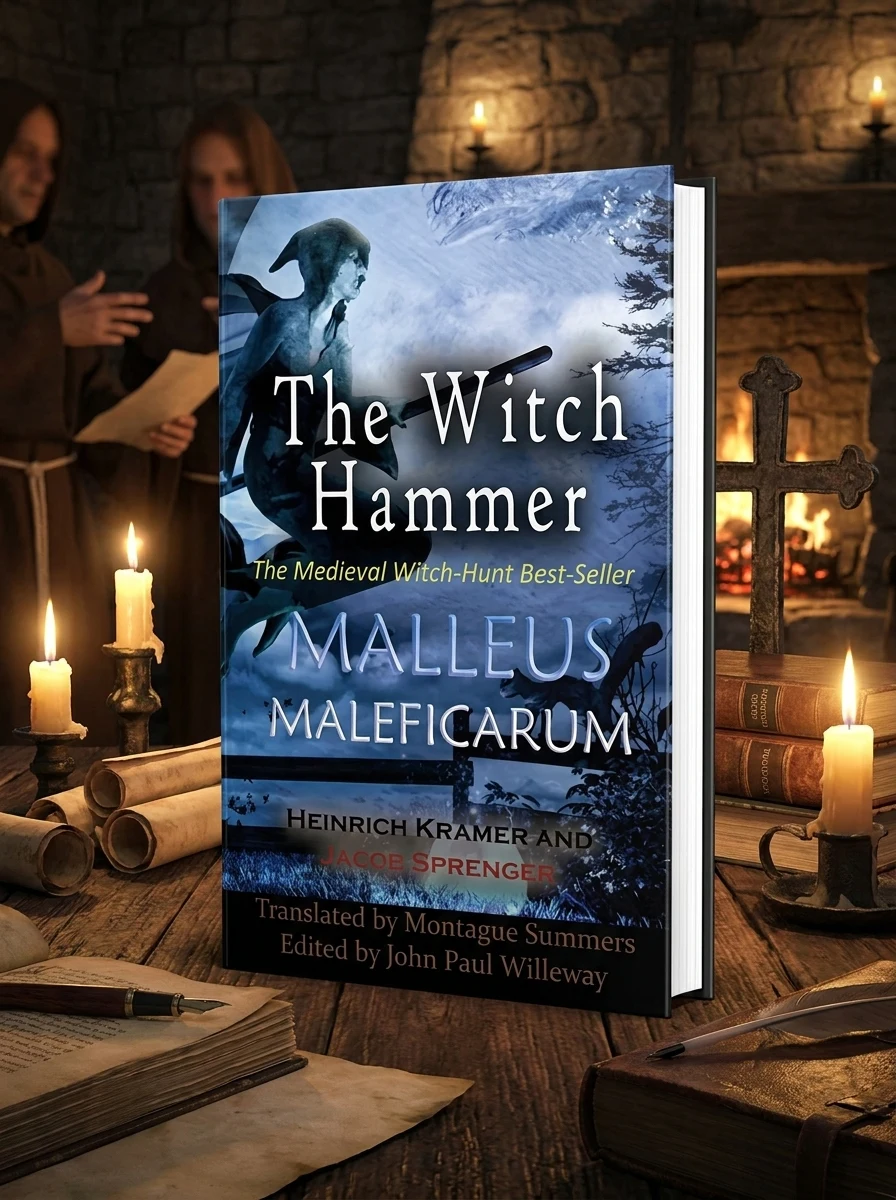
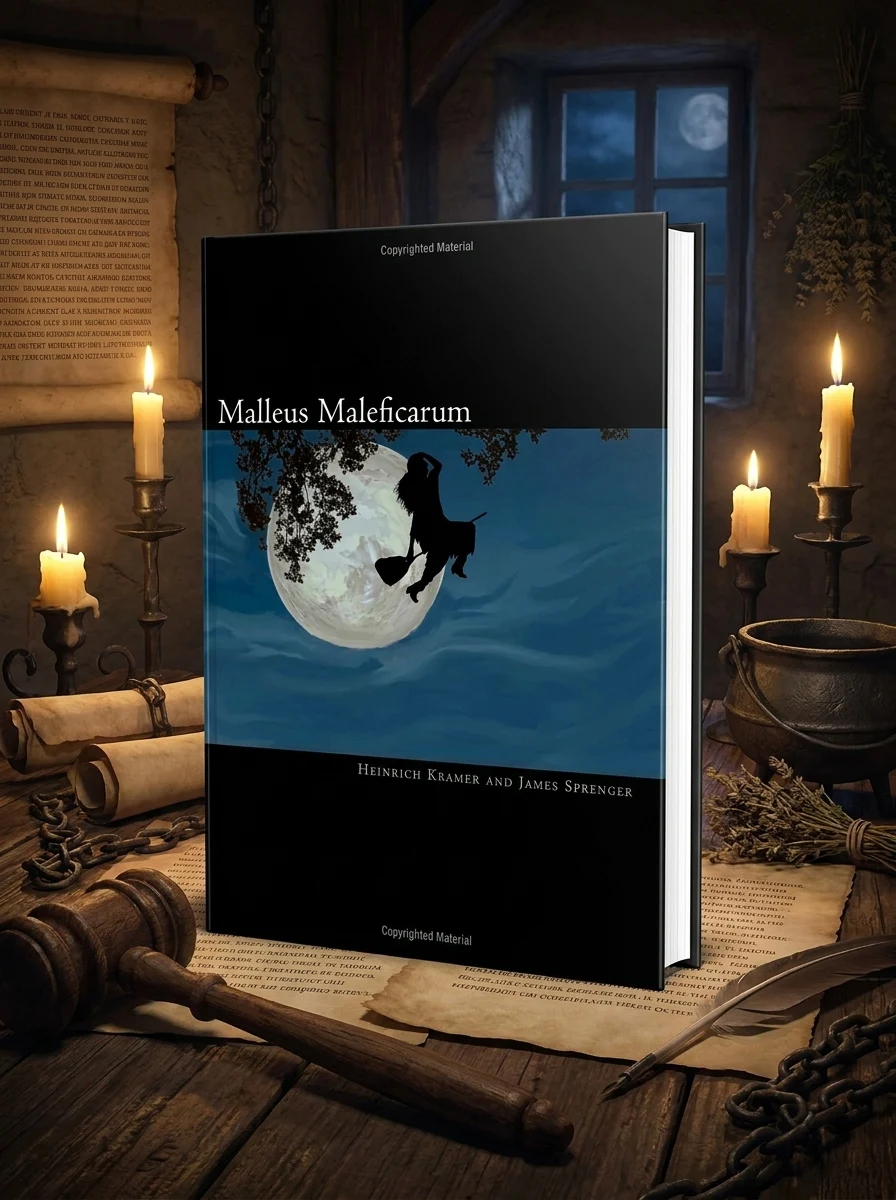
✍️ Sprenger, James;, Summers and 3 moreThe "Malleus Maleficarum," often called the "Witch's Hammer," stands as a pivotal and infamous text from the late medieval period. Authored by two Dominican inquisitors, Heinrich Kramer and James Sprenger, this comprehensive manual served as a guide for identifying, prosecuting, and executing alleged witches. It systematized the nascent European witch-hunt, providing theological justifications, legal procedures, and detailed descriptions of supposed diabolical pacts and magical practices. Its widespread influence profoundly shaped judicial practices and popular beliefs surrounding witchcraft for centuries, making it an essential, albeit disturbing, historical document for understanding religious fundamentalism and persecution.


📝 Description: Malleus Maleficarum
💎 Expert review
📖 Why choose it
Why this book is worth reading
This book is essential for scholars and historians seeking to understand the mechanisms of religious fundamentalism and persecution during a specific era. Readers interested in the intersection of theology, law, and societal fear will find value in its detailed descriptions of supposed diabolical pacts and magical practices. It offers a disturbing yet necessary look at how judicial practices were influenced by fervent belief systems. By examining this manual, one gains insight into the historical context that fueled centuries of witch hunts, making it a vital resource for those studying the evolution of legal procedures and the power of narrative in shaping public perception of evil and heresy.
⭐ Reader reviews
Reader rating
While undeniably significant as a historical artifact, this work is not suited for casual readers or those seeking comfort. Its dense theological arguments and graphic descriptions of persecution may overwhelm anyone unprepared for such grim subject matter. It is strictly for the academically inclined who can approach the material with critical distance rather than emotional engagement. Those expecting a narrative adventure will find it dry and oppressive. However, for researchers examining the roots of European witch-hunts, it remains an indispensable, albeit chilling, primary source that demands serious academic attention to fully grasp its profound impact on judicial history.
❓ Frequently asked questions
📖 Who should read this
If you're drawn to the darker chapters of religious history, the mechanics of persecution, or the origins of societal fear, this foundational text is essential. Historians, occult scholars, and those interested in how ideology shaped justice will find it a compelling, albeit unsettling, read.
🎯 Key themes and symbolism
Systematic Witchcraft Prosecution
This text meticulously outlines the procedural steps, from initial accusation to conviction and punishment, for individuals suspected of witchcraft. It provides an alarming blueprint for inquisitors, detailing methods of interrogation, evidence collection, and the judicial framework designed to root out and condemn those deemed in league with malevolent forces.
Theological Justification of Persecution
The "Malleus" offers a deeply theological rationale for the existence of witches and the necessity of their eradication. It weaves together scripture, scholastic philosophy, and anecdotal accounts to construct a potent argument for the reality of demonic influence and the imperative to defend Christian society from its perceived supernatural enemies.
Occult Beliefs & Practices
The book delves into a detailed, albeit biased, account of various alleged occult practices attributed to witches, including magical rituals, pacts with the devil, and the infliction of harm through supernatural means. It aims to demystify these dark arts by categorizing and explaining them from a strictly inquisitorial viewpoint, often distorting actual folk practices.
📜 Historical context
📚 Glossary
- Malleus Maleficarum
- Inquisitor
- Diabolical Pact
📔 Questions to reflect on
- How does the "Malleus Maleficarum" reflect anxieties prevalent in late medieval European society regarding religion, power, and social order?
- In what ways do you see echoes of the book's methods of identifying and prosecuting "enemies" in contemporary societal or political discourse?
- Consider the role of fear and fundamentalism in shaping legal and ethical frameworks, as exemplified by this historical text.