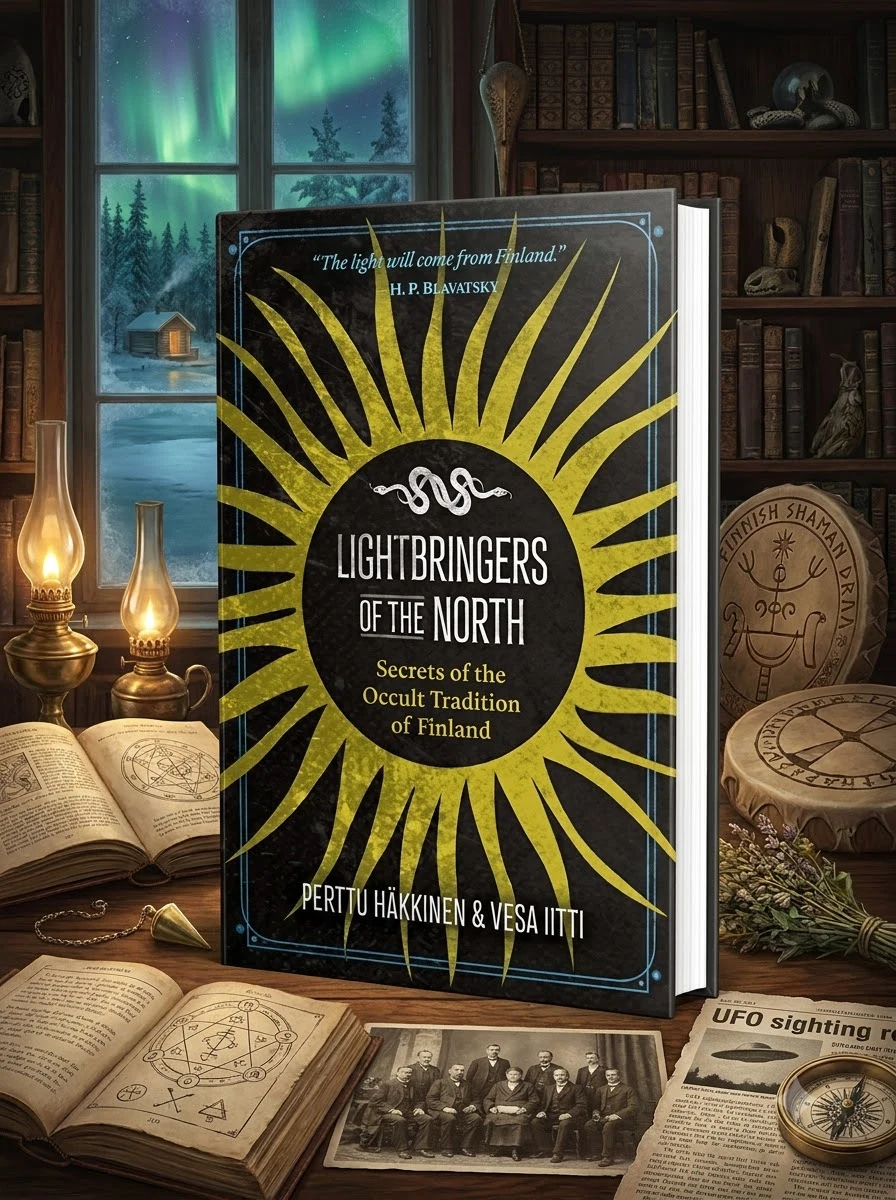
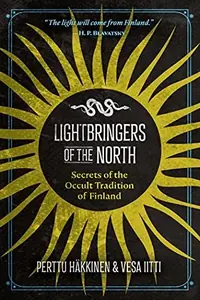
Lightbringers of the North: Secrets of the Occult Tradition of Finland
This edition can be ordered. No arrival date is confirmed.
Uncover Finland's hidden esoteric currents, from ancient shamanism to modern secret societies.
This comprehensive exploration delves into the unique tapestry of Finnish occultism, tracing its evolution from the late 19th century to the present day. Authors Häkkinen and Iitti meticulously reveal pivotal figures and groups—from Theosophist Pekka Ervast to Gurdjieff's disciples and the Tattarisuo cult—who shaped the nation's spiritual landscape. The work also critically examines the intricate links between Finnish nationalism and esoteric thought, alongside local parapsychology and UFO phenomena. It offers an unprecedented look at how secret societies, including a distinctly Finnish Freemasonry, thrived even under Russian prohibition.
This text situates Finnish esotericism within the broader context of European occult history, specifically examining how nationalist movements and Russian prohibition influenced local spiritual developments. It bridges ancient shamanic roots with modern secret societies, offering a regional case study in the global evolution of hidden traditions.


📝 Description: Lightbringers of the North: Secrets of the Occult Tradition of Finland
💎 Expert review
📖 Why choose it
Why this book is worth reading
Readers fascinated by the intersection of national identity and mystical practice will find this volume indispensable for its rare glimpse into Finland’s spiritual underbelly. It is particularly valuable for scholars and enthusiasts interested in how esoteric groups navigated political suppression, such as Russian prohibition, to maintain their traditions. Those curious about the specific lineage from Theosophy to Gurdjieffian discipleship will appreciate the detailed documentation of pivotal figures like Pekka Ervast. Furthermore, individuals intrigued by the unusual convergence of parapsychology and UFO phenomena within a Nordic context will discover unique insights here. This book serves as a critical resource for understanding how secret societies thrive against odds, making it essential for anyone studying the resilience and adaptation of occult movements in Eastern Europe.
⭐ Reader reviews
Reader rating
While meticulously researched, this work demands patience from readers seeking quick anecdotes or practical magical techniques. It is an academic exploration rather than a devotional guide, focusing on historical figures and societal links rather than experiential instruction. Readers looking for straightforward ritual manuals or uncritical hagiography will likely find the critical examination of nationalism and cults like Tattarisuo too dense or unsettling. It does not cater to those desiring simple answers or magical shortcuts. Instead, it offers a complex, sometimes uncomfortable look at the intellectual and social frameworks behind Finnish occultism. Those preferring broad, generalized overviews of Theosophy may find the specific national focus too narrow.
❓ Frequently asked questions
📖 Who should read this
This book is essential for anyone drawn to the lesser-known currents of European esotericism, particularly those interested in Nordic mysticism, the intersection of nationalism and the occult, or the unique development of secret societies. Prepare for a deeply researched historical journey.
🎯 Key themes and symbolism
Finnish Esoteric Figures
The book introduces key personalities defining Finland’s occult journey, from Theosophist Pekka Ervast, a "Rudolf Steiner of the North," to Gurdjieff's followers. It also delves into the darker narrative of groups like the Tattarisuo cult, vividly showcasing a diverse spiritual landscape.
Nationalism and Occultism
This volume intricately explores the symbiotic relationship between Finnish national identity and esoteric traditions. It reveals how occult concepts and secret societies intertwined with burgeoning nationalist sentiments, shaping a distinct Finnish cultural consciousness. Figures like Sigurd Wettenhovi-Aspa, who championed unique theories about Finnish origins through an esoteric lens, highlight this compelling intersection.
Nordic Secret Societies
The book provides a fascinating look into the evolution of secret societies within Finland, especially during Russian rule when traditional Freemasonry was banned. It details how Finnish adherents innovated and formed alternative esoteric groups, preserving and adapting their mystical practices. This unique development showcases the resilience and distinct character of the Nordic esoteric landscape, extending to modern parapsychology.
💬 Quotes from the book
“The North, often perceived as a land of quiet solitude, has always harbored a vibrant, if hidden, landscape of spiritual seekers and esoteric currents, weaving ancient folk belief with sophisticated Western mysticism.”
“In Finland, the drive for national self-determination frequently found its counterpart in esoteric doctrines, transforming secret societies into crucibles where identity and occult philosophy fused into a singular, potent force.”
📜 Historical context
📚 Glossary
- Theosophy
- Rosicrucianism
- Freemasonry
📔 Questions to reflect on
- How might a nation's unique geographical and political history influence the development and expression of its esoteric traditions?
- Consider the role of "secret societies" in preserving or shaping cultural identity, especially under foreign rule. What are the advantages and disadvantages?
- If you were to establish a new esoteric movement today, how would you balance ancient wisdom with modern societal concerns and technological advancements?
🏛 Books from this publisher Inner Traditions International
All books from this publisher →





You might also like
See more →
 91
91