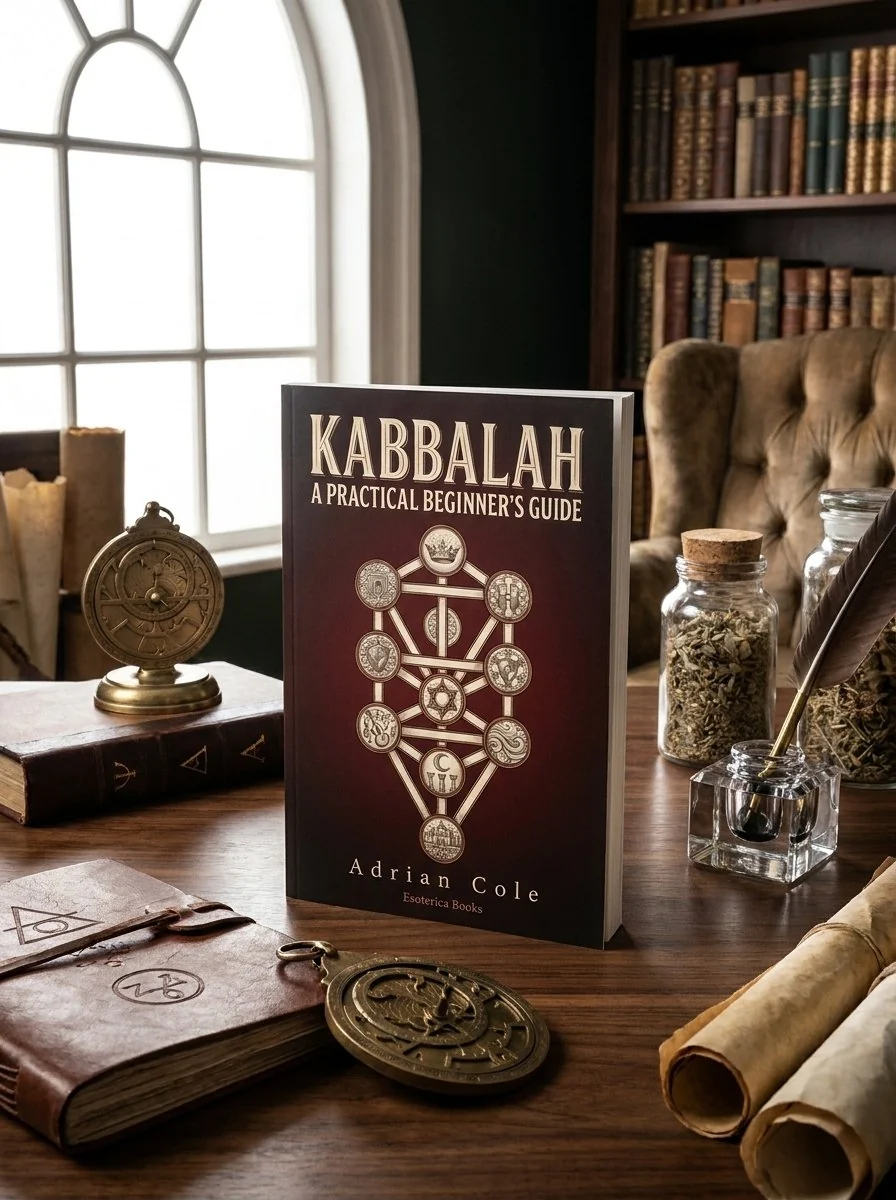
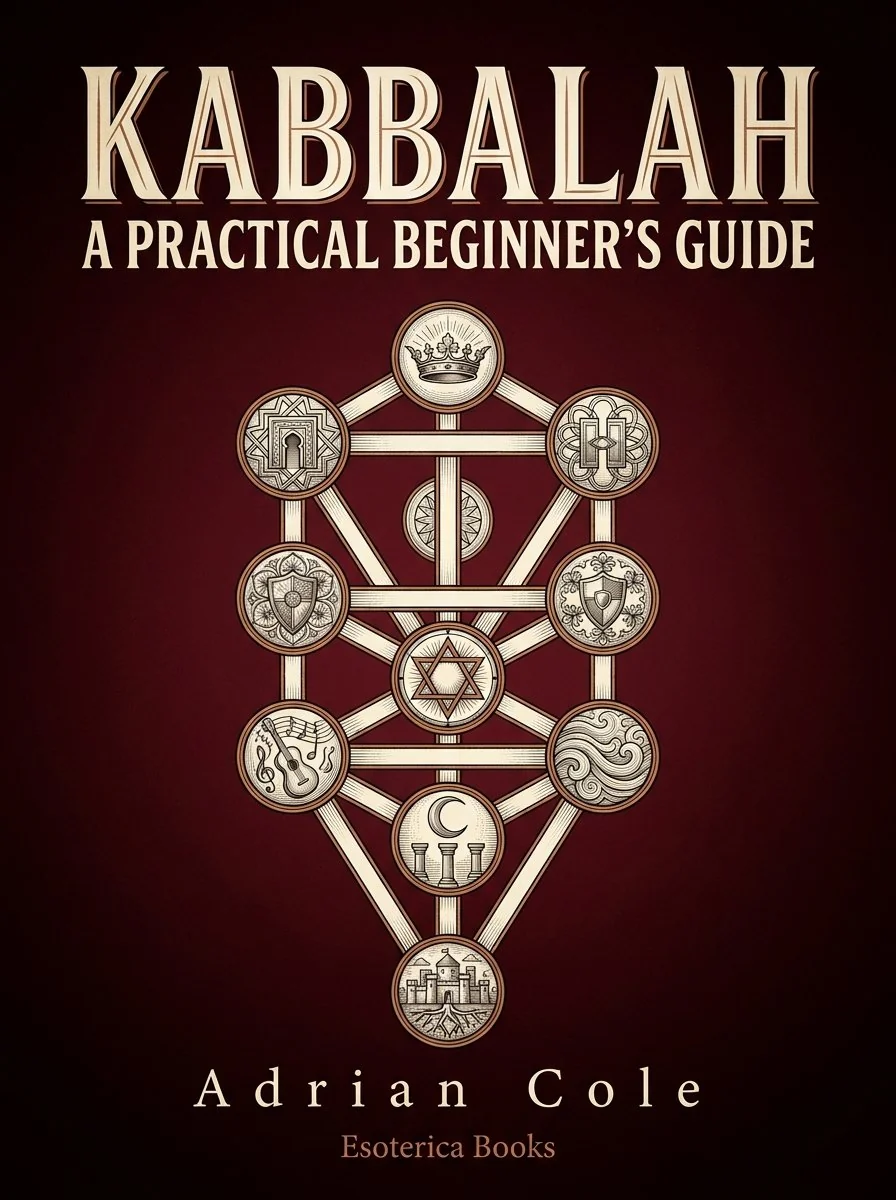
Kabbalah: A Practical Beginner's Guide
Explore the Jewish roots of Kabbalah, understand the ten sefirot, and make the Tree of Life part of your daily study.
What is Kabbalah, and how can a beginner understand its rich symbolic language? This practical introduction explores the Jewish roots of Kabbalah, the ten sefirot, and the interconnected structure of the Tree of Life. Through the original T.R.E.E. Method—Trace, Read, Examine, Embody—you will learn essential Hebrew vocabulary, explore important developments in Jewish mysticism, and work with guided exercises, reflective card layouts, and journaling. The journey leads from basic concepts to a thoughtful personal study practice grounded in curiosity and respect.
Kabbalah belongs to the Jewish mystical tradition and is deeply connected with Jewish theology, Torah interpretation, prayer, and contemplation. Its later adaptations in Christian and Hermetic esotericism have their own histories and should be understood as distinct approaches rather than interchangeable versions of Jewish teaching.


📝 Description: Kabbalah: A Practical Beginner's Guide
📖 Why choose it
Why this book is worth reading
The Tree of Life becomes much easier to approach when its ten sefirot are studied as an interconnected structure rather than a collection of unfamiliar names. This guide combines clear explanations with exercises that encourage active learning: drawing the diagram, comparing Chesed and Gevurah, exploring Binah through questions, and keeping a personal study journal. Its particular strength is the attention given to Kabbalah's Jewish origins and the distinction between traditional teachings and later Western interpretations.
⭐ Reader reviews
Reader rating
This introduction has a sensible teaching structure and a welcome emphasis on historical and cultural distinctions. The T.R.E.E. Method gives beginners four recognizable stages, while the opening Chesed and Gevurah exercise provides an immediate way to engage with the Tree of Life. Particularly useful are the explanations of Hebrew terminology, the introduction to Lurianic concepts, and the comparison between Jewish Kabbalah and later Western interpretations. The red-thread chapter also takes care to distinguish a contemporary personal activity from a universal religious requirement. One limitation: the material is designed for introductory study, not advanced engagement with Hebrew source texts or detailed theological scholarship. A clear, approachable starting point.
❓ Frequently asked questions
📖 Who should read this
Ideal for curious beginners who want to understand Kabbalah's Jewish foundations, learn the Tree of Life, and explore its symbolism through structured personal study. Readers seeking an advanced examination of Hebrew source texts, religious law, or specialized scholarly debate will need more comprehensive material.
🎯 Key themes and symbolism
Jewish Mysticism
Tree of Life
Ten Sefirot
Contemplative Practice
📜 Historical context
📚 Glossary
- Kabbalah
- Sefirot
- Tree of Life
- Ein Sof
- Shekhinah
- Tzimtzum
📔 Questions to reflect on
- Where do Chesed (loving-kindness) and Gevurah (strength and boundaries) appear in my everyday decisions, and where might their balance need more attention?
- Which of the ten sefirot currently offers the most meaningful subject for reflection, and what experiences help me understand its symbolism?
- How can I approach the study of Kabbalah with greater curiosity, respect for its Jewish foundations, and consistency in my personal journal?
📖 Read on the blog
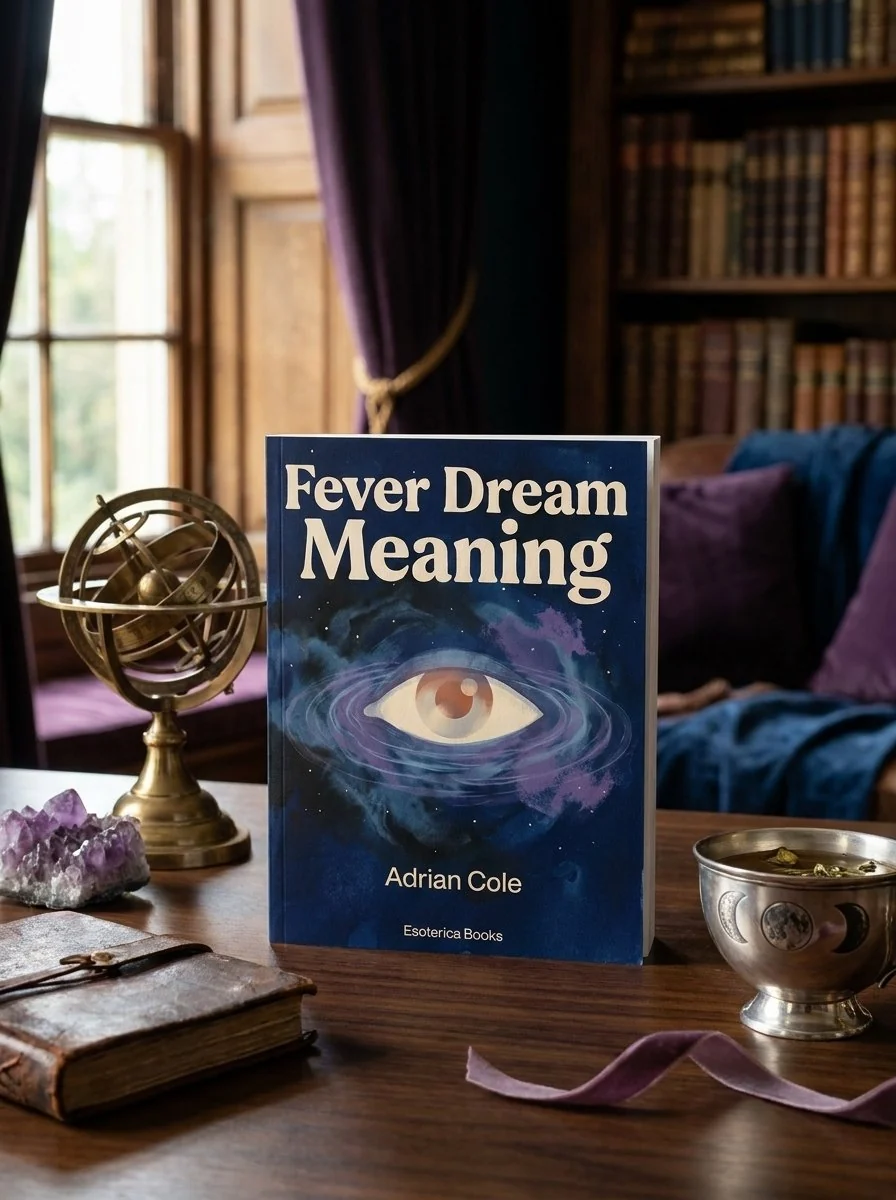
✍️ More books by this author Adrian Cole


🏛 Books from this publisher Esoterica Books



You might also like
See more →





Have a question about this item?
Ask about the edition, condition, delivery or anything else — we reply by email or phone, usually within a day.
