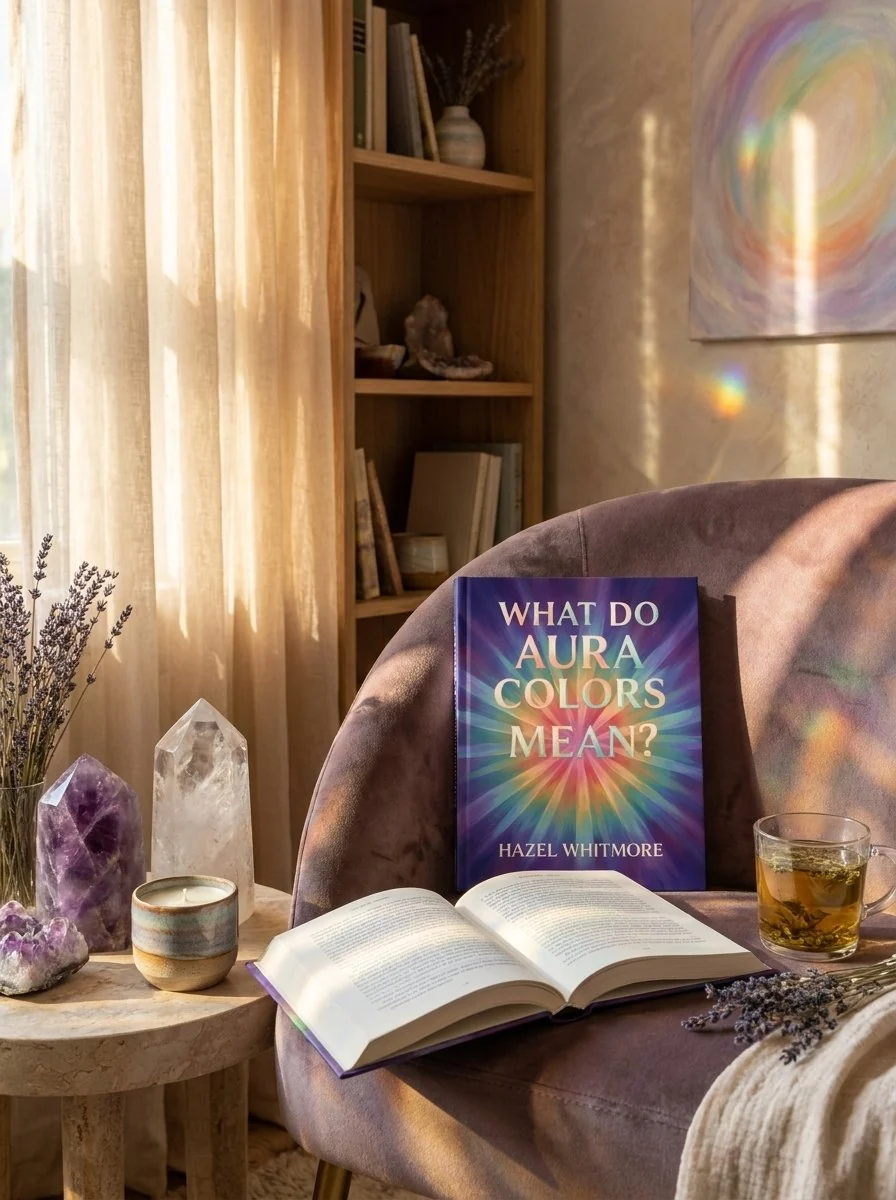
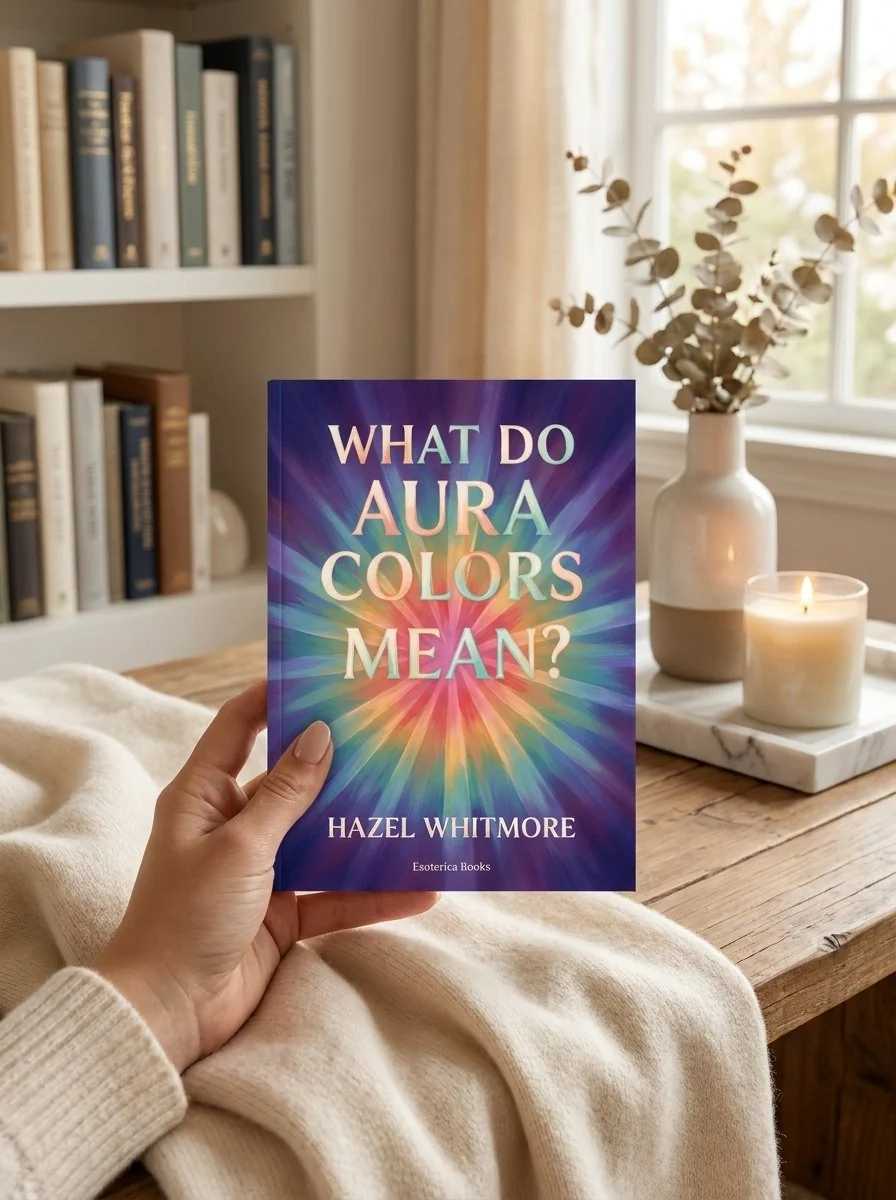
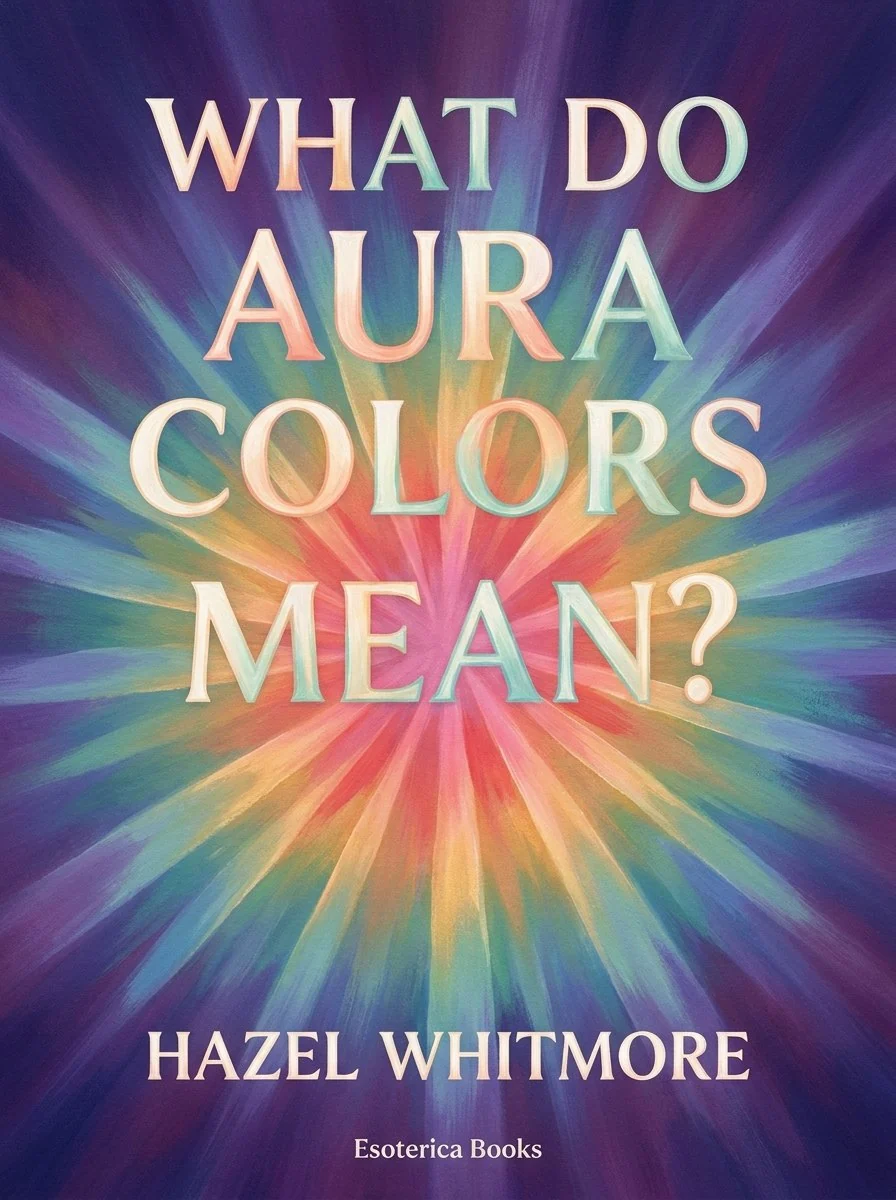
What Do Aura Colors Mean?
Discover what aura colors traditionally symbolize and build a personal color practice with the C.O.L.O.R. Method.
What do aura colors mean, and how can you explore their symbolism in everyday life? Hazel Whitmore introduces the traditional meanings of red, orange, yellow, green, blue, indigo, violet, pink, white, gold, silver, gray, brown, and black. Using her five-step C.O.L.O.R. Method, you'll learn to interpret individual colors, explore overlapping shades, observe aura photography, and develop a personal color journal. With guided visualizations, crystal associations, candle rituals, and practical reflection exercises, this beginner-friendly guide turns the language of aura colors into an engaging practice of self-discovery.
The concept of an aura belongs to spiritual and esoteric traditions in which a subtle field surrounding a living being is interpreted through qualities and colors. Contemporary aura-color interpretations bring together varied symbolic associations, and meanings can differ among practitioners. This book approaches them as a language for personal reflection.


📝 Description: What Do Aura Colors Mean?
📖 Why choose it
Why this book is worth reading
Aura color symbolism can feel confusing when different practitioners offer different interpretations of the same shade. This book gives beginners a practical way to navigate those differences without getting lost in terminology. Its strongest feature is the C.O.L.O.R. Method, which turns a broad spiritual subject into five approachable steps. You can explore individual colors, combine their traditional associations, experiment with simple rituals, and gradually develop a personal reference guide through journaling and everyday observation.
⭐ Reader reviews
Reader rating
Hazel Whitmore offers an accessible introduction to aura color symbolism, with a particularly useful emphasis on putting interpretation into practice. The C.O.L.O.R. Method gives beginners a memorable structure, while the 12-chapter progression moves logically from individual color meanings to combinations, photography, daily routines, and personalized practice. The practical details are appealing: readers encounter specific crystal correspondences, candle colors, journaling exercises, and a four-part approach to observing aura photographs. The book also acknowledges that interpretations differ and that photographic colors are not verified measurements of an invisible energy field. One limitation: experienced aura readers looking for advanced comparative traditions or detailed historical research may find the treatment introductory. For newcomers, its approachable organization is a strength.
❓ Frequently asked questions
📖 Who should read this
Ideal for beginners curious about aura colors, spiritual symbolism, aura photography, crystals, and simple reflective rituals. Also suited to readers who enjoy journaling and want a structured way to explore the personal associations of color.
🎯 Key themes and symbolism
Aura Color Symbolism
The C.O.L.O.R. Method
Daily Color Rituals
Personal Self-Discovery
📜 Historical context
📚 Glossary
- Aura
- Aura color
- Color combination
- C.O.L.O.R. Method
- Aura photography
- Color journal
📔 Questions to reflect on
- Which color catches your attention most often, and what personal memories, feelings, or associations arise when you spend time exploring its traditional symbolism?
- When two colors appear together in your imagination or aura imagery, what qualities do their traditional associations suggest when considered side by side?
- Looking through your color journal, which shades recur across different seasons or experiences, and what personal themes might these patterns invite you to explore?
📖 Read on the blog
✍️ More books by this author Hazel Whitmore



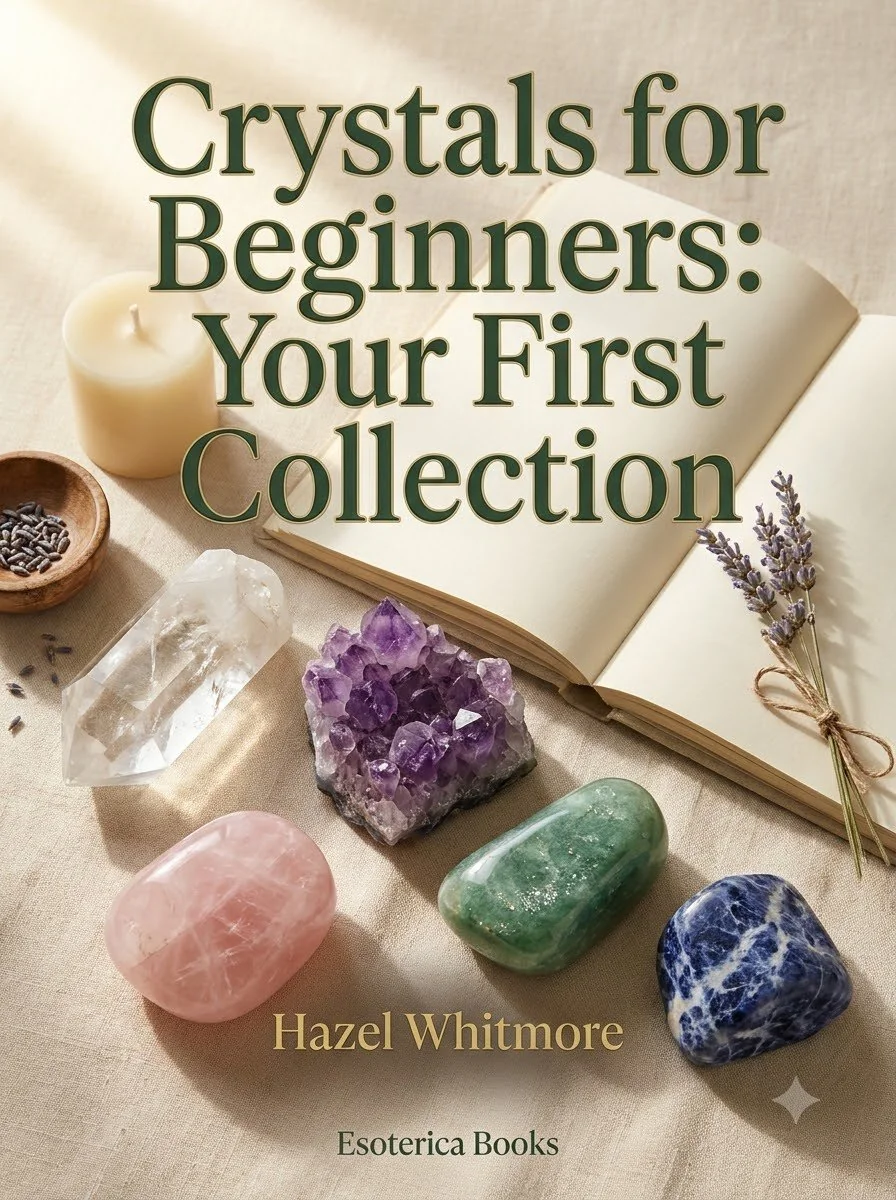

🏛 Books from this publisher Esoterica Books


You might also like
See more →



Have a question about this item?
Ask about the edition, condition, delivery or anything else — we reply by email or phone, usually within a day.
