

🌿 Folk Magic

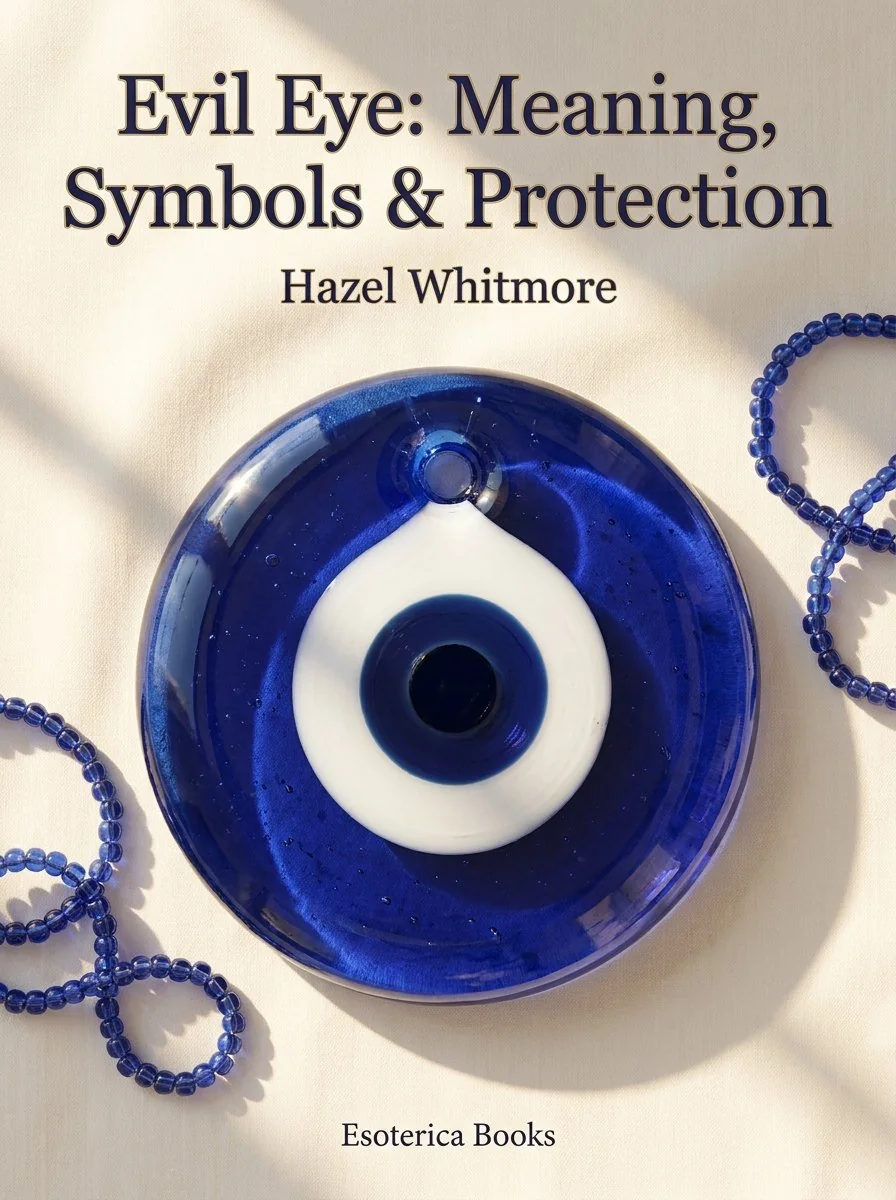
Evil Eye: Meaning, Symbols & Protection

✍️ Hazel Whitmore
Reader Score
4.6
(1 review)
Format
📖 Printed paperback, shipped to your door
English144 pages
📖 Read a free preview
Printed to order — we confirm the delivery date with you
$4.99

Contents

  1. Look Again: What Is Your Evil Eye Really Saying?
    Start with the charm you already own: examine its eye shape, colors, materials, and details, then discover the traditional ideas associated with each feature. A simple observation exercise turns a familiar object into an introduction to the evil eye's symbolism and purpose.
  2. A Little Eye with a Big Story
    Discover why the evil eye became a recognizable symbol of protection and how people understand the relationship between envy, misfortune, and the protective gaze. Clarify why the evil eye is considered bad in some contexts while its familiar charm is regarded as protective in others.
  3. The Colors and Details That Catch Your Eye
    Explore the familiar blue-and-white design alongside other color variations, beaded forms, and the eye motif itself. Learn how color meanings and material associations differ between contemporary interpretations and individual folk customs rather than treating one color chart as universal.
  4. From the Mediterranean to Your Own Home
    Explore the evil eye's broad cultural presence and its place in different communities without reducing them to one shared belief system. Understand the distinction between tracing a tradition's history and assuming every culture uses the symbol in the same way.
  5. The Blue Bead and the Greek Tradition
    Discover the Greek mati tradition, its familiar blue eye imagery, and the customs associated with wearing or displaying protective symbols. Consider how Greek interpretations have been carried into modern jewelry, gifts, and everyday decorative objects.
  6. A Different Gaze: The Turkish Nazar
    Explore the Turkish nazar boncuğu, its distinctive concentric eye design, and its place in Turkish decorative and folk traditions. Learn to recognize the object and distinguish cultural context from modern commercial interpretations of its protective purpose.
  7. Wearing the Eye with Intention
    Move from understanding the symbol to choosing how to incorporate it into daily life. Explore bracelets, necklaces, pendants, and beaded charms, including how to select an object that feels personally meaningful without assuming it guarantees good luck or protection.
  8. A Thoughtful Home for a Protective Symbol
    Consider traditional and contemporary ways to display an evil eye charm in an entryway, living space, or personal corner. Explore the idea of home protection as a symbolic household custom, with practical guidance on choosing a meaningful place for the object.
  9. Cleansing, Care, and the Life of a Charm
    Examine the different meanings people attach to cleansing an evil eye object, from ordinary jewelry maintenance to symbolic renewal rituals. Explore traditional references to salt and other simple materials while distinguishing personal customs from universal requirements and including safe handling guidance.
  10. When the Symbol Feels Uncomfortably Close
    Address common concerns about envy, unwanted attention, and the fear of receiving the evil eye. Offer a grounded, non-fear-based approach to traditional avoidance customs, personal boundaries, and symbolic practices without encouraging suspicion, retaliation, or attempts to influence another person.
  11. Words, Hands, and Customs of Protection
    Explore spoken blessings, hand-shaped protective imagery, and the relationship between the evil eye symbol and other protective traditions. Introduce the Hamsa as a related but distinct symbol, and discuss religious expressions such as dua with respect for their specific contexts and without presenting them as interchangeable rituals.
  12. Make the Symbol Your Own, Without Losing Its Roots
    Bring the E.Y.E. Method together in a personal practice: explore the tradition, understand the object, and engage with it through thoughtful everyday customs. Consider modern interpretations, including popular culture references, while keeping folk symbolism distinct from fictional portrayals and maintaining respect for the communities connected to the tradition.
Read the contents and “About this book” free →
📚 WHAT THE BOOK IS ABOUT

What does the evil eye really mean, and what is the purpose of the familiar blue-and-white charm? Hazel Whitmore's practical guide explores the folk beliefs, cultural traditions, and protective symbolism associated with the evil eye. Using the E.U.E. Method—Explore, Understand, Engage—you'll examine colors, materials, and designs, discover Greek mati and Turkish nazar traditions, and learn thoughtful ways to wear, display, clean, and care for your charm. The emphasis is on cultural understanding and meaningful personal practice, not fear or guaranteed supernatural protection.


🌿
Folk Magic
🏛 Esoterica Books 📖 144 pages 🌐 English 📐 E-book
Fun Fact
A clearly organized introduction to the evil eye, combining recognizable symbolism, Greek and Turkish folk traditions, and practical advice for everyday charm care. The E.U.E. Method makes the subject approachable without presenting one culture's customs as universal. Its main limitation is its introductory scope: readers looking for scholarly depth or extensive ritual detail will need more specialized material. Recommended for curious beginners who value cultural context and respectful personal practice.

📝 Description: Evil Eye: Meaning, Symbols & Protection

You may already own an evil eye bracelet, necklace, or decorative bead without knowing much about the symbol behind it. Why is the eye usually blue? Does a broken charm mean something? Should you cleanse it, and where should you display it at home? This guide addresses these familiar questions without turning ordinary objects or everyday encounters into reasons for concern. The book follows the E. U. E. Method: Explore, Understand, Engage. First, examine a charm you already own and identify its recognizable features. Next, discover the traditional associations of its colors, shapes, and materials, while learning why interpretations differ between communities. Dedicated chapters introduce the Greek mati and Turkish nazar boncuğu traditions, their distinctive imagery, and their place in jewelry and household decoration. The final chapters bring cultural understanding into everyday practice. Explore how to choose and wear a charm, find a meaningful place for it at home, distinguish physical jewelry cleaning from symbolic cleansing, and consider traditional customs without treating them as compulsory rules. You'll also encounter the Hamsa, spoken blessings, and the specific religious context of dua. The result is a thoughtful introduction to a familiar symbol, with room for personal interpretation and respect for its cultural roots.

📖 Why choose it

📖

Why this book is worth reading

The appeal of this guide is its combination of cultural explanation and practical everyday questions. Rather than simply assigning meanings to colors or prescribing cleansing rituals, it encourages you to examine your own charm and understand the traditions associated with it. The Greek and Turkish chapters provide useful cultural distinctions, while the later chapters address wearing, displaying, and caring for an object thoughtfully. It is a welcoming starting point for readers who want symbolism without superstition or unnecessary anxiety.

⭐ Reader reviews

The starting rating comes from the team Esoterica Books —
⭐ Esoterica editorial review Editorial rating 4.6/5
★★★★★
Ideal for curious beginners, owners of evil eye jewelry, and readers interested in Mediterranean folk customs, symbolic objects, and the cultural meaning of protective charms. Particularly useful for anyone who wants practical guidance without fear-based explanations or promises of supernatural…

Reader rating

4.6
Based on 1 reviews
5
0
4
1
3
0
2
0
1
0
E
Esoterica Books editorial team

Whitmore takes a practical approach to a subject often surrounded by contradictory online explanations. The strongest feature is the E.U.E. Method, which gives beginners a clear progression from examining an existing charm to understanding its cultural associations and choosing how to incorporate it into daily life. The separate chapters on Greek mati and Turkish nazar boncuğu are particularly useful because they discourage treating distinct traditions as interchangeable. The discussion of physical cleaning versus symbolic cleansing also addresses a common source of confusion. One limitation: readers seeking detailed academic history, extensive regional comparisons, or advanced ritual instruction will find this introduction deliberately accessible rather than exhaustive. Overall, a considerate beginner's guide.

❓ Frequently asked questions

The evil eye is a widespread folk belief that an envious or harmful gaze can be associated with misfortune. Its familiar protective charm represents a different side of the tradition: a symbolic object traditionally associated with guarding against the evil eye. Covered in Chapter 1.
The belief concerns the relationship between envy, the gaze, and misfortune, while the protective eye charm is traditionally associated with warding off that influence. Wearing one is a cultural or personal practice, not a guarantee of protection. Covered in Chapter 2.
Begin by distinguishing ordinary jewelry cleaning from symbolic cleansing. Physical care depends on the bracelet's materials, while symbolic renewal customs vary and are not universally required. Salt is not compulsory, and delicate materials should be handled according to their care requirements. Covered in Chapter 9.
The book approaches home protection through traditional symbolism, thoughtful charm displays, and personal customs rather than claiming that a supernatural influence can be detected or removed. Chapter 8 explores meaningful places for an evil eye charm, while Chapter 10 discusses concerns about envy without encouraging fear.
The guide explores traditional avoidance customs, personal boundaries, and symbolic practices without encouraging suspicion or retaliation. It also explains why different communities understand protective symbols differently. Covered in Chapter 10.

📖 Who should read this

Ideal for curious beginners, owners of evil eye jewelry, and readers interested in Mediterranean folk customs, symbolic objects, and the cultural meaning of protective charms. Particularly useful for anyone who wants practical guidance without fear-based explanations or promises of supernatural results.

🎯 Key themes and symbolism

Folk Beliefs

Protective Symbolism

Cultural Traditions

Everyday Charm Care

📜 Historical context

The evil eye belongs to a broad field of folk belief in which the gaze, envy, and misfortune are symbolically connected. Different communities have developed their own interpretations and customs around this idea, including the use of protective imagery and objects. In Greek tradition, the mati is associated with recognizable eye imagery and household or personal customs. In Turkish tradition, the nazar boncuğu is distinguished by its concentric circular design and appears in jewelry, decorative arts, and household objects. These traditions are part of a wider cultural landscape, not a single universal system with identical rules.

📚 Glossary

Mati
Nazar boncuğu
Talisman
Amulet
Hamsa
Cleansing

📔 Questions to reflect on

  1. What first attracted me to my evil eye charm, and what do its colors, materials, and design mean to me now that I understand more about its cultural background?
  2. How can I appreciate the Greek mati, Turkish nazar, and other protective traditions without assuming they all share the same meanings or customs?
  3. What simple, respectful everyday practice would make my charm personally meaningful without turning it into a source of fear or expectation?

✍️ More books by this author Hazel Whitmore

Moon Phases: Your Monthly Lunar Workbook
★★★★★
★★★★★
4.6
Hazel Whitmore
Moon Phases: Your Monthly Lunar Workbook
$4.99
86
Moon Phases: Your Monthly Lunar Workbook (Paperback)
★★★★★
★★★★★
4.6
Hazel Whitmore
Moon Phases: Your Monthly Lunar Workbook (Paperback)
$14.99
86
Crystals for Beginners: Your First Collection
★★★★★
★★★★★
4.6
Hazel Whitmore
Crystals for Beginners: Your First Collection
$4.99
86
Crystals for Beginners: Your First Collection (Paperback)
★★★★★
★★★★★
4.6
Hazel Whitmore
Crystals for Beginners: Your First Collection (Paperback)
$14.99
86
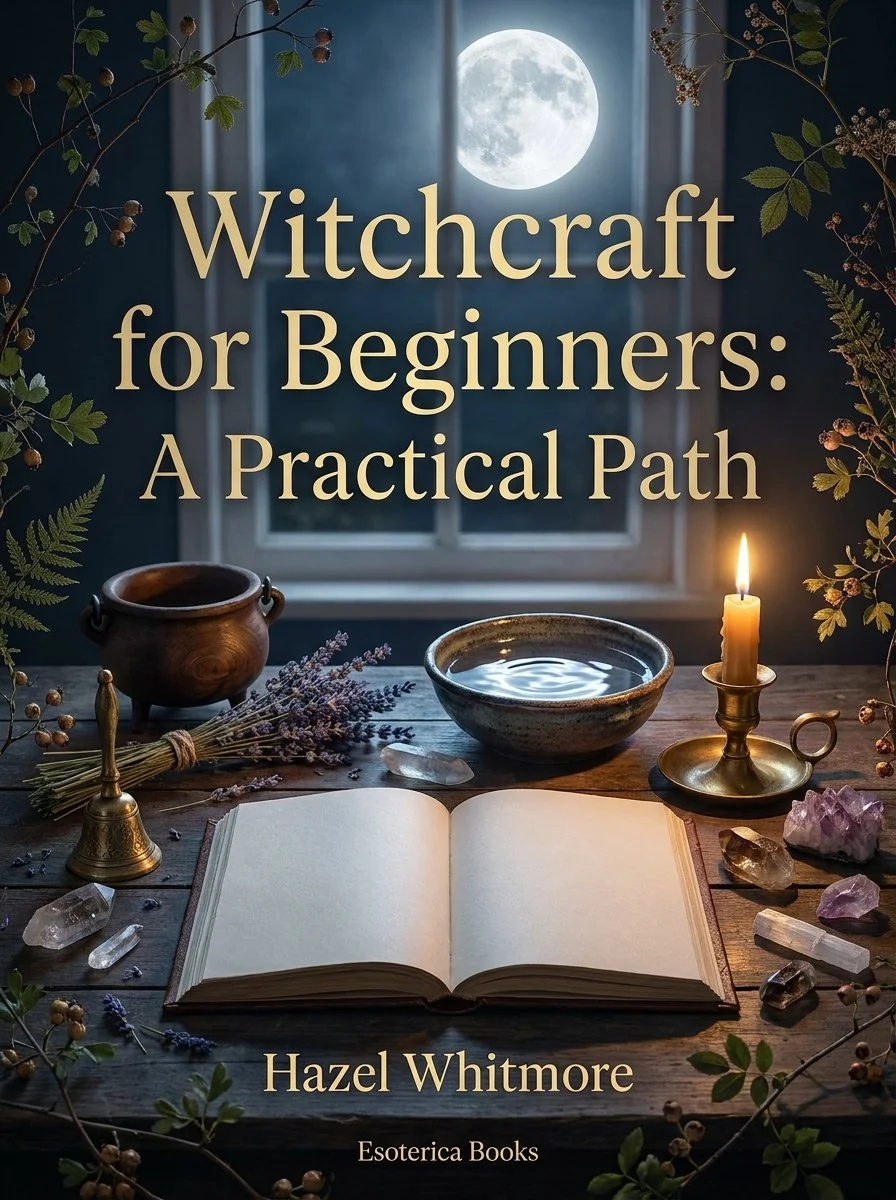
Witchcraft for Beginners: A Practical Path
★★★★★
★★★★★
4.7
Hazel Whitmore
Witchcraft for Beginners: A Practical Path
$4.99
87
Witchcraft for Beginners: A Practical Path (Paperback)
★★★★★
★★★★★
4.7
Hazel Whitmore
Witchcraft for Beginners: A Practical Path (Paperback)
$14.99
87
Evil Eye: Meaning, Symbols & Protection (Paperback)
★★★★★
★★★★★
4.6
Hazel Whitmore
Evil Eye: Meaning, Symbols & Protection (Paperback)
$14.99
86
Positive Affirmations That Feel Real
★★★★★
★★★★★
4.7
Hazel Whitmore
Positive Affirmations That Feel Real
$4.99
89

🏛 Books from this publisher Esoterica Books
Astral Projection: A Grounded Practice Guide (Paperback)
★★★★★
★★★★★
4.7
Adrian Cole
Astral Projection: A Grounded Practice Guide (Paperback)
$14.99
87
Astral Projection: A Grounded Practice Guide
★★★★★
★★★★★
4.7
Adrian Cole
Astral Projection: A Grounded Practice Guide
$4.99
87
Positive Affirmations That Feel Real (Paperback)
★★★★★
★★★★★
4.7
Hazel Whitmore
Positive Affirmations That Feel Real (Paperback)
$14.99
89
Positive Affirmations That Feel Real
★★★★★
★★★★★
4.7
Hazel Whitmore
Positive Affirmations That Feel Real
$4.99
89
Human Design Chart: Read Yours with Clarity (Paperback)
★★★★★
★★★★★
4.7
Adrian Cole
Human Design Chart: Read Yours with Clarity (Paperback)
$14.99
88
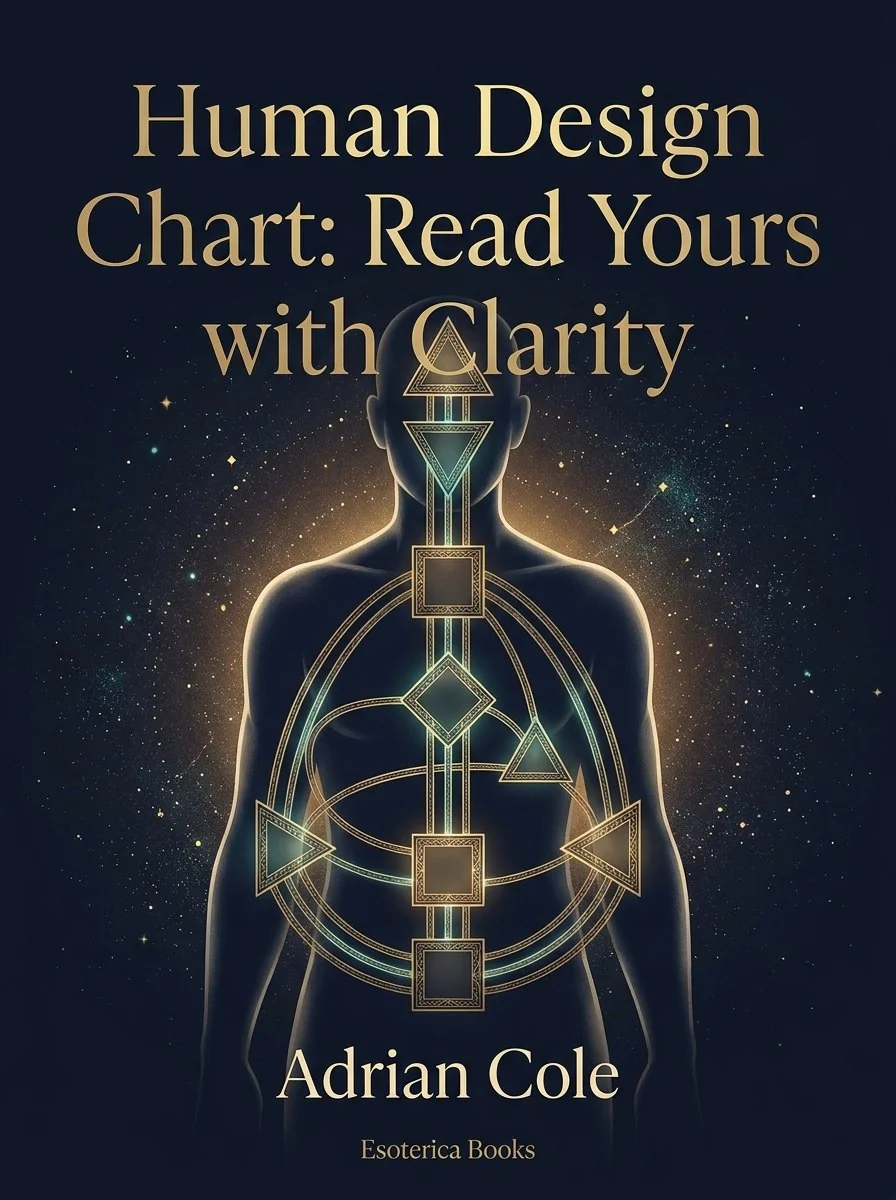
Human Design Chart: Read Yours with Clarity
★★★★★
★★★★★
4.7
Adrian Cole
Human Design Chart: Read Yours with Clarity
$4.99
88
Evil Eye: Meaning, Symbols & Protection (Paperback)
★★★★★
★★★★★
4.6
Hazel Whitmore
Evil Eye: Meaning, Symbols & Protection (Paperback)
$14.99
86
Witchcraft for Beginners: A Practical Path (Paperback)
★★★★★
★★★★★
4.7
Hazel Whitmore
Witchcraft for Beginners: A Practical Path (Paperback)
$14.99
87

You might also like

See more →

The Witches' Wealth Spell Book: For Abundance and Prosperity -36%
★★★★★
★★★★★
4.6
1
Greenleaf, Cerridwen
The Witches' Wealth Spell Book: For Abundance and Prosperity
$8.22 $13.00
86
Aradia: The Gospel of the Witches
★★★★★
★★★★★
4.6
1
Leland, Charles
Aradia: The Gospel of the Witches
$8.70
86
Charms, Amulets, Talismans & Spells
★★★★★
★★★★★
4.6
1
Green, Marian
Charms, Amulets, Talismans & Spells
$9.25
86
The Little Book of Irish Blessings: May Your Days Be Many and Your Troubles Be Few -42%
★★★★★
★★★★★
4.6
1
Oh
The Little Book of Irish Blessings: May Your Days Be Many and Your Troubles Be Few
$9.25 $16.00
86
The Secret Commonwealth of Elves, Fauns and Fairies -28%
★★★★★
★★★★★
4.6
1
Kirk, Robert
The Secret Commonwealth of Elves, Fauns and Fairies
$9.99 $14.00
86
Ghosts of Savannah -27%
★★★★★
★★★★★
4.5
4
Zepke, Terrance
Ghosts of Savannah
$10.95 $15.00
86
By Rust of Nail & Prick of Thorn: The Theory & Practice of Effective Home Warding
★★★★★
★★★★★
4.6
1
Sebastiani, Althaea
By Rust of Nail & Prick of Thorn: The Theory & Practice of Effective Home Warding
$11.44
86
Ayahuasca: The Vine of Souls Heaven, Ross
★★★★★
★★★★★
4.3
3
Heaven, Ross
Ayahuasca: The Vine of Souls Heaven, Ross
$11.95
86
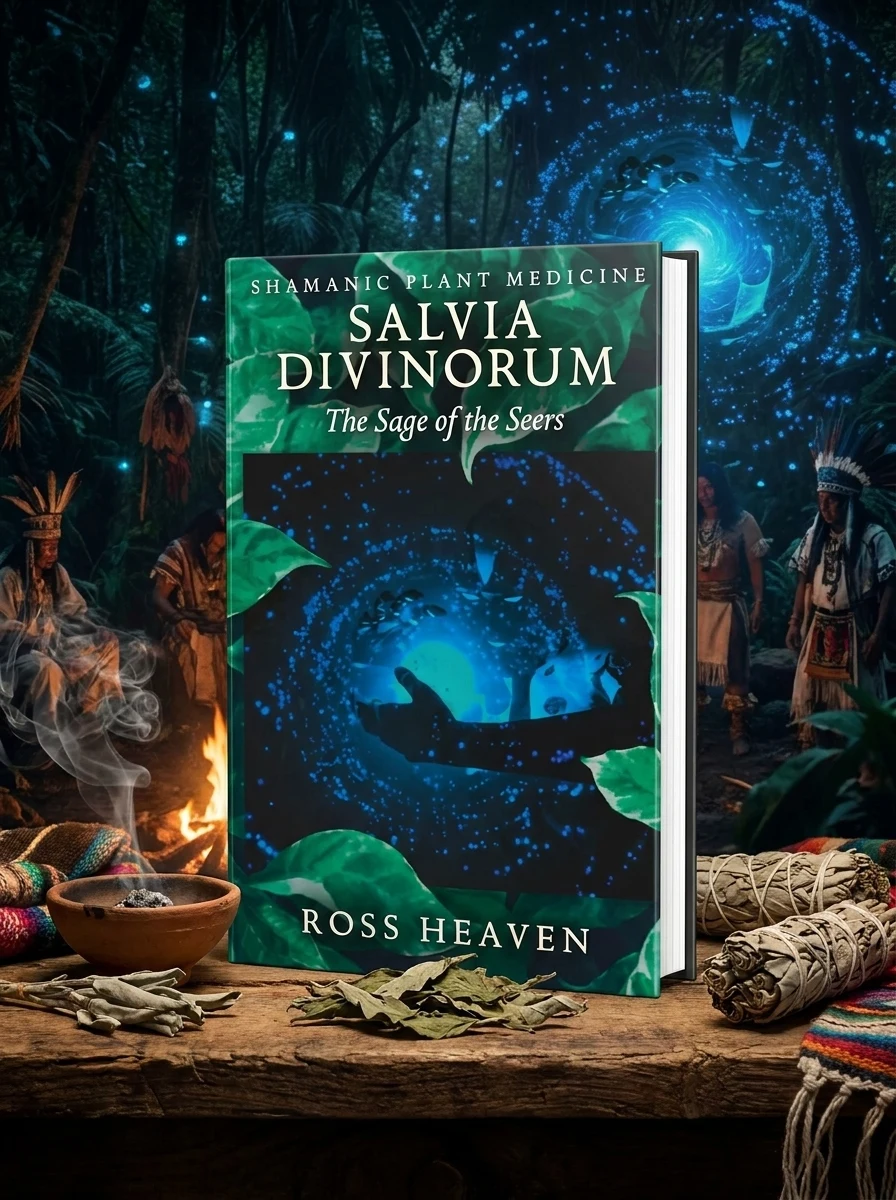
Shamanic Plant Medicine - Salvia Divinorum: The Sage of the Seers Heaven, Ross
★★★★★
★★★★★
4.6
1
Heaven, Ross
Shamanic Plant Medicine - Salvia Divinorum: The Sage of the Seers Heaven, Ross
$11.95
86
Hoodoo: Folk Magic Patterson, Rachel
★★★★★
★★★★★
4.6
1
Patterson, Rachel
Hoodoo: Folk Magic Patterson, Rachel
$12.95
86

Have a question about this item?

Ask about the edition, condition, delivery or anything else — we reply by email or phone, usually within a day.

Esoteric Meaning

Concepts in this book

Evil eye →
Home Genres
Cart
Wishlist