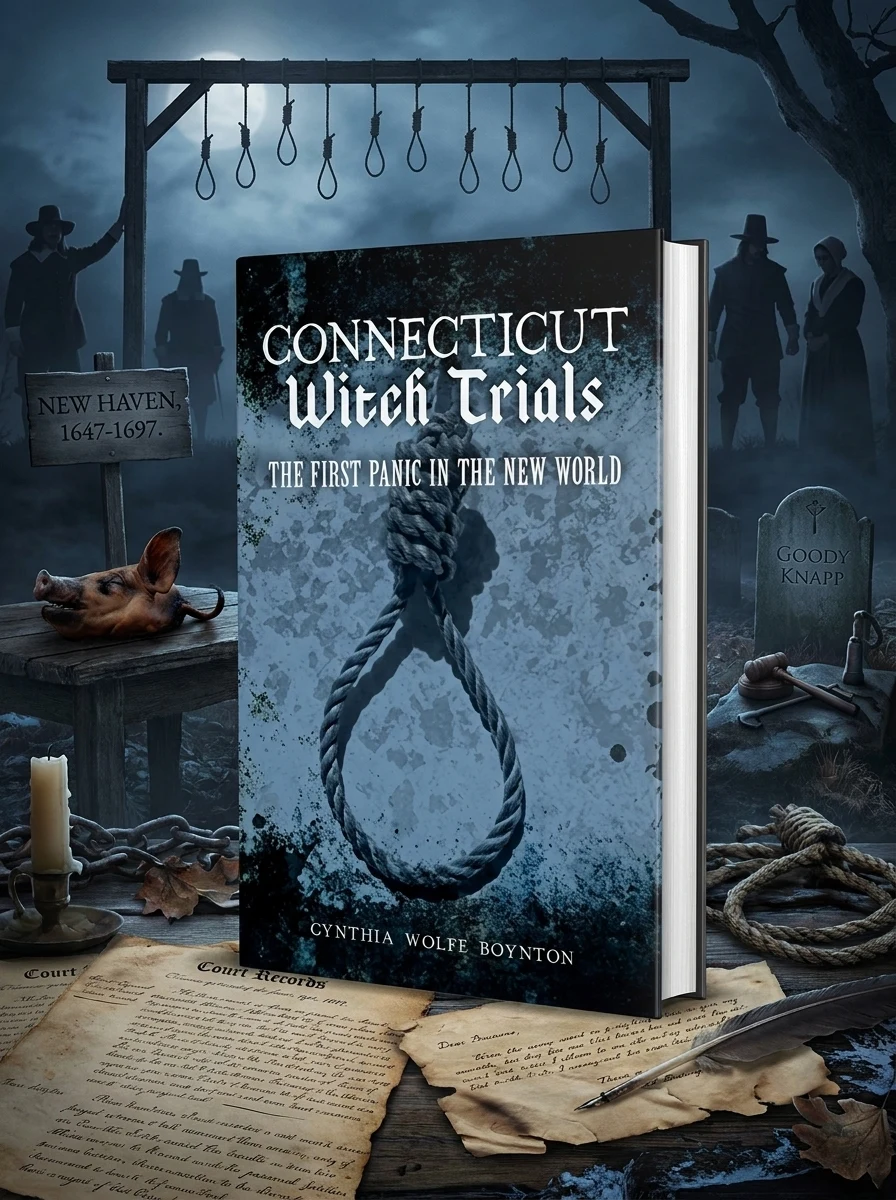
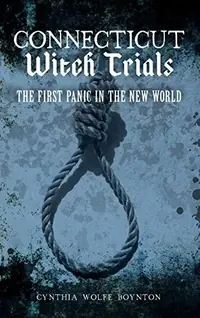
Connecticut Witch Trials: The First Panic in the New World
Boynton, Cynthia WolfeStock reported in the catalog; fulfillment is confirmed with your request.
Before Salem, Connecticut ignited New England's most brutal, forgotten witch hunt.
This compelling historical account unearths the harrowing period when Connecticut endured New England's earliest and most intense witch trials. Spanning fifty years, this dark chapter saw over three dozen individuals formally accused of witchcraft, with a substantial number tragically executed. Author Cynthia Wolfe Boynton meticulously reconstructs these events, drawing from forgotten court documents, personal correspondence, and period accounts. Readers will delve into bizarre accusations, from alleged animal mutilation for dark magic to post-execution body examinations for 'devil's marks,' revealing the profound fear that gripped early colonial communities.
This work sits firmly within the genre of American colonial history and esoteric studies, bridging the gap between academic historical reconstruction and popular occult interest by examining the legalistic framework of early New England witchcraft accusations.


📝 Description: Connecticut Witch Trials: The First Panic in the New World
💎 Expert review
📖 Why choose it
Why this book is worth reading
This book is an essential read for those fascinated by the dark undercurrents of early American history and the specific mechanisms that allowed fear to dictate justice in colonial communities. It offers a vital corrective to the common misconception that Salem was the sole or primary site of such hysteria, illuminating Connecticut's own brutal and forgotten prelude. By meticulously reconstructing events from forgotten court documents and personal correspondence, the author provides a visceral understanding of the profound anxiety that gripped these early settlers. Readers seeking to understand the intersection of religious fervor, legal procedure, and supernatural belief will find this account both enlightening and deeply humanizing for those caught in the panic.
⭐ Reader reviews
Reader rating
While Boynton’s meticulous reconstruction of court documents and period accounts offers a compelling glimpse into New England's earliest witch trials, this volume is not for readers seeking narrative drama or supernatural validation. It is a dense historical account focused on legal accusations and executions rather than atmospheric storytelling. Those expecting easy access to esoteric rituals or ghostly tales will likely find the focus on bureaucratic fear and judicial process dry and unengaging. However, for those interested in the sociological impact of mass hysteria and the specific historical context preceding Salem, it serves as a crucial, albeit somber, educational resource that clarifies the timeline of colonial panic without embellishment.
❓ Frequently asked questions
📖 Who should read this
If you are captivated by untold American history, the psychology of mass hysteria, or the grim realities of early colonial justice, this book is an essential acquisition. It offers a vital, unvarnished look at a pivotal, often overshadowed, period.
🎯 Key themes and symbolism
America's First Witchcraft Panic
The book meticulously details how Connecticut's witch hunts predated and, in many ways, surpassed the ferocity of the Salem trials. It highlights the state's unique and often overlooked position as the epicenter of early American witchcraft persecution, setting a grim precedent for subsequent colonial anxieties and judicial responses to perceived sorcery.
Unearthing Primary Sources
Boynton's rigorous research methodology shines through, as she reconstructs these historical events from fragmented records. By delving into court transcripts, personal letters, and other primary documents, the author offers an intimate, often disturbing, glimpse into the lives of both the accused and their accusers, bringing forgotten narratives to light.
Societal Fear and Superstition
This work explores the profound societal anxieties and deeply ingrained superstitions that fueled the accusations and brutal punishments of the era. It illustrates how local grievances, unexplained misfortunes, and widespread belief in malevolent magic could escalate into formal charges, public trials, and the tragic loss of life within tightly-knit colonial communities.
💬 Quotes from the book
“The chilling accusations often stemmed not from overt acts of malevolence, but from petty grievances or unexplained misfortunes within tight-knit communities.”
“Records reveal a disturbing pattern: vague suspicions escalated rapidly into formal charges, culminating in public spectacle and tragic execution, often on the flimsiest of evidence.”
📜 Historical context
📚 Glossary
- Witch Trial
- Bewitching Spell
- Devil's Marks
📔 Questions to reflect on
- How might our own contemporary societal fears, superstitions, or biases contribute to 'witch hunts' in a modern context, albeit in different forms?
- Reflect on the concept of 'justice' in a historical context versus today. What core principles, if any, remain constant, and which have evolved dramatically?
- Considering the detailed historical research presented, what responsibility do historians have in correcting or re-evaluating long-held societal narratives?
✍️ More books by this author Boynton, Cynthia Wolfe
All books by this author →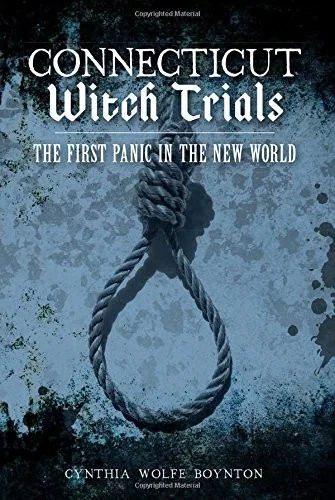
🏛 Books from this publisher History Press Library Editions
All books from this publisher →
 87
87
 81
81
 80
80
You might also like
See more →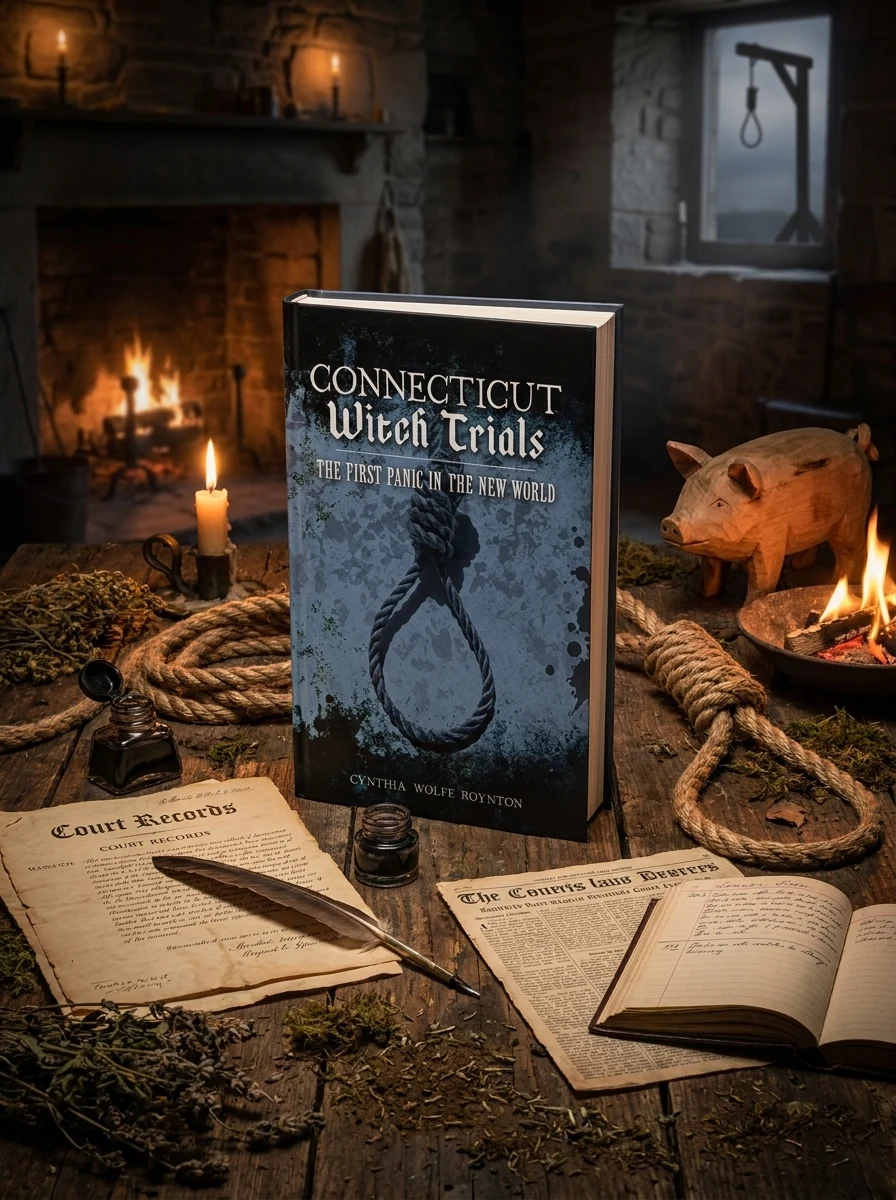
 91
91