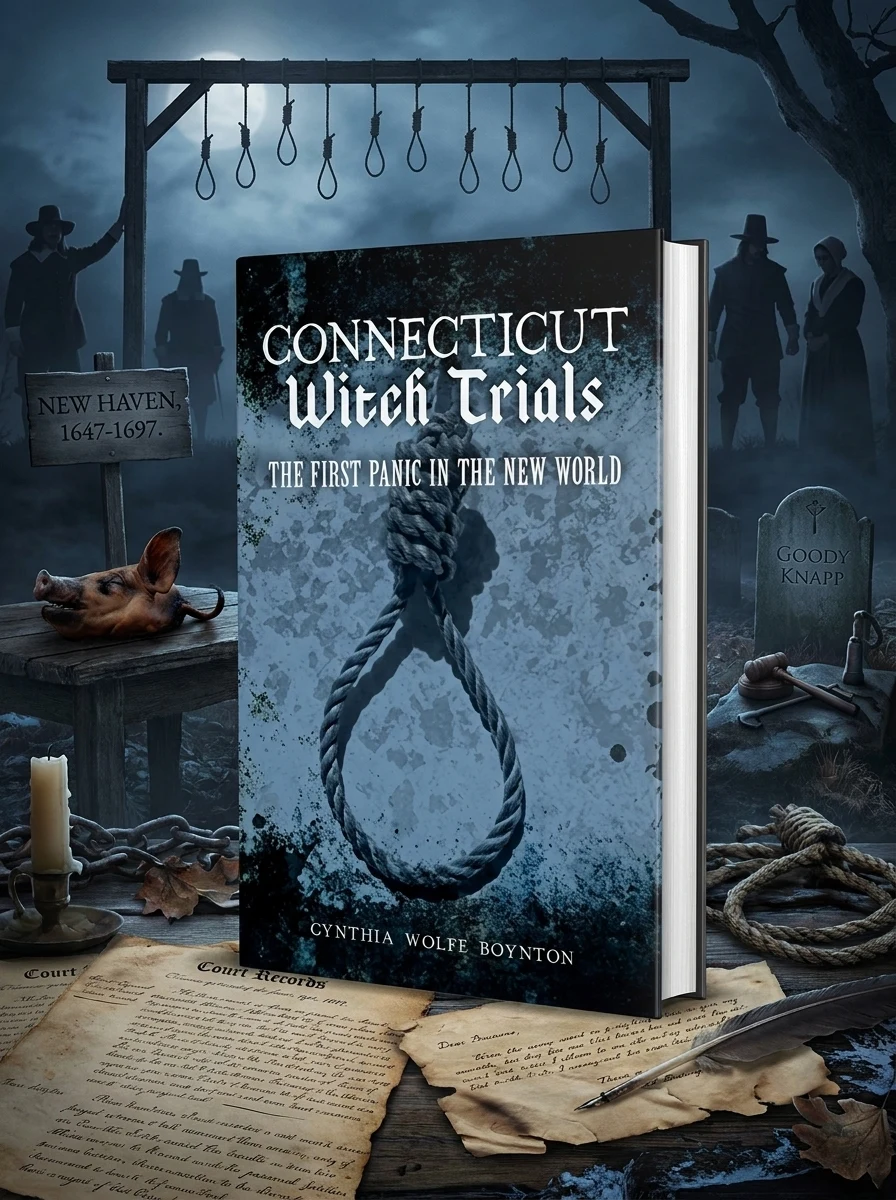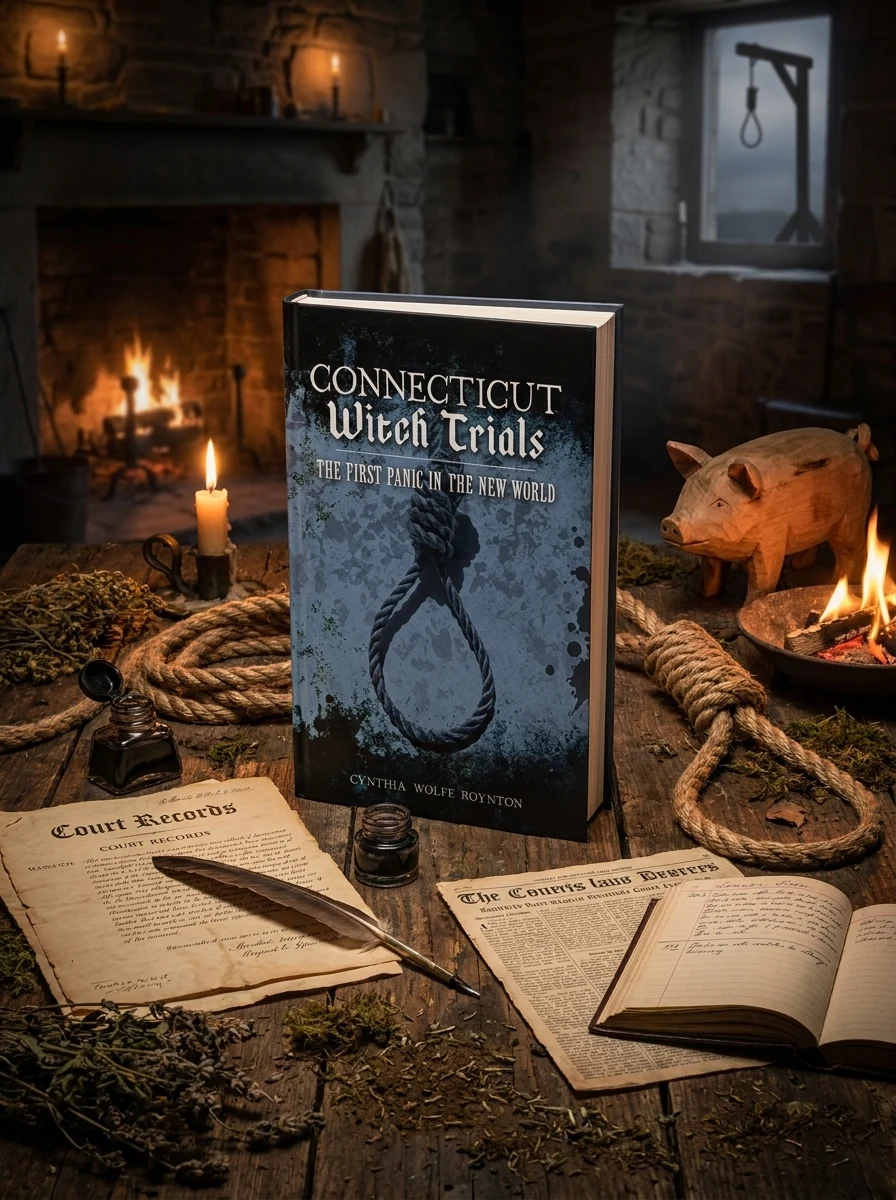
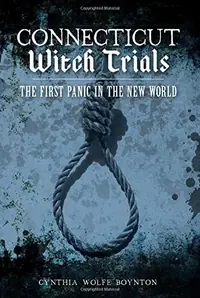
Connecticut Witch Trials: The First Panic in the New World
Boynton, Cynthia WolfeStock reported in the catalog; fulfillment is confirmed with your request.
Before Salem's shadows, Connecticut endured New England's most brutal, earliest witch hunt.
Delve into the chilling, often overlooked history of Connecticut's witch trials, a period of intense paranoia that predates the infamous Salem events by nearly five decades. Author Cynthia Wolfe Boynton meticulously uncovers this dark chapter from 1647 to 1697, revealing that at least thirty-four individuals faced formal witchcraft charges, with eleven tragically executed. Drawing upon an array of primary sources—from historical newspapers and court documents to personal letters and diaries—Boynton reconstructs the bizarre accusations and judicial processes that shaped this devastating era, highlighting cases like William Meeker and Goody Knapp.
This work sits firmly within the niche of American colonial history and occult studies, specifically addressing the pre-Salem era of New England witchcraft persecutions. It contributes to the broader understanding of early modern European-derived legal and social anxieties regarding magic in the American colonies.


📝 Description: Connecticut Witch Trials: The First Panic in the New World
💎 Expert review
📖 Why choose it
Why this book is worth reading
Readers fascinated by the darker, lesser-known chapters of American colonial history will find this book an essential addition to their library. It offers a crucial corrective to the overwhelming focus on Salem, revealing that Connecticut’s witch panic was equally brutal and occurred decades earlier. By meticulously reconstructing the lives of those accused, such as William Meeker and Goody Knapp, Boynton humanizes the statistics of thirty-four charged individuals and eleven executions. This narrative appeals to those interested in social justice, legal history, and the psychological mechanics of mass hysteria. It provides a grounded, source-driven perspective that moves beyond myth to show how paranoia shaped judicial processes and community dynamics in early New England.
⭐ Reader reviews
Reader rating
Boynton delivers a rigorous, well-researched account that fills a significant gap in the historiography of New England witchcraft. Her use of primary sources effectively illuminates the bizarre accusations and judicial procedures of the era. However, this book is not for readers seeking sensationalist ghost stories or quick, superficial summaries; it demands engagement with historical detail. Those expecting a focus on Salem will find the Connecticut setting dry or irrelevant. It is best suited for academic-minded readers or serious history enthusiasts who appreciate nuanced analysis over dramatic flair. The density of court documents may deter casual readers looking for light entertainment.
❓ Frequently asked questions
📖 Who should read this
For readers captivated by untold American history, colonial social anxieties, or the chilling mechanics of mass hysteria, this book offers a profound and necessary re-evaluation. If you seek to understand the deeper roots of New England's dark past beyond Salem, this meticulously researched account is essential reading.
🎯 Key themes and symbolism
Unearthing Primary Sources
Boynton's research is grounded in a rich tapestry of historical evidence. By sifting through forgotten newspaper clippings, formal court records, intimate personal letters, and private diaries, the author breathes life into a period previously obscured, offering an authentic, firsthand perspective on the trials through the voices and documents of the era.
💬 Quotes from the book
“Before the famed hysteria gripped Salem, a more brutal, protracted panic consumed Connecticut's nascent towns, etching a legacy of fear and injustice into the very bedrock of colonial law.”
“The grotesque details—a pig's ears severed as part of a bewitching ritual, or the desperate search for infernal markings on a hanged woman's corpse—underscore the profound terror and superstition of the era.”
📜 Historical context
📚 Glossary
- Witch Trials
- Puritanism
- Devil's Mark
📔 Questions to reflect on
- How might a community's deep-seated religious beliefs both provide comfort and fuel extreme paranoia, as seen in the Connecticut witch trials?
- Considering the bizarre accusations detailed, what societal pressures or individual fears do you think contributed most to such widespread credulity in the face of the supernatural?
- If lesser-known historical events like Connecticut's trials are brought to light, how does it reshape our understanding of foundational American history and its often-romanticized narratives?
✍️ More books by this author Boynton, Cynthia Wolfe
All books by this author →
🏛 Books from this publisher History Press
All books from this publisher →
 87
87
You might also like
See more →