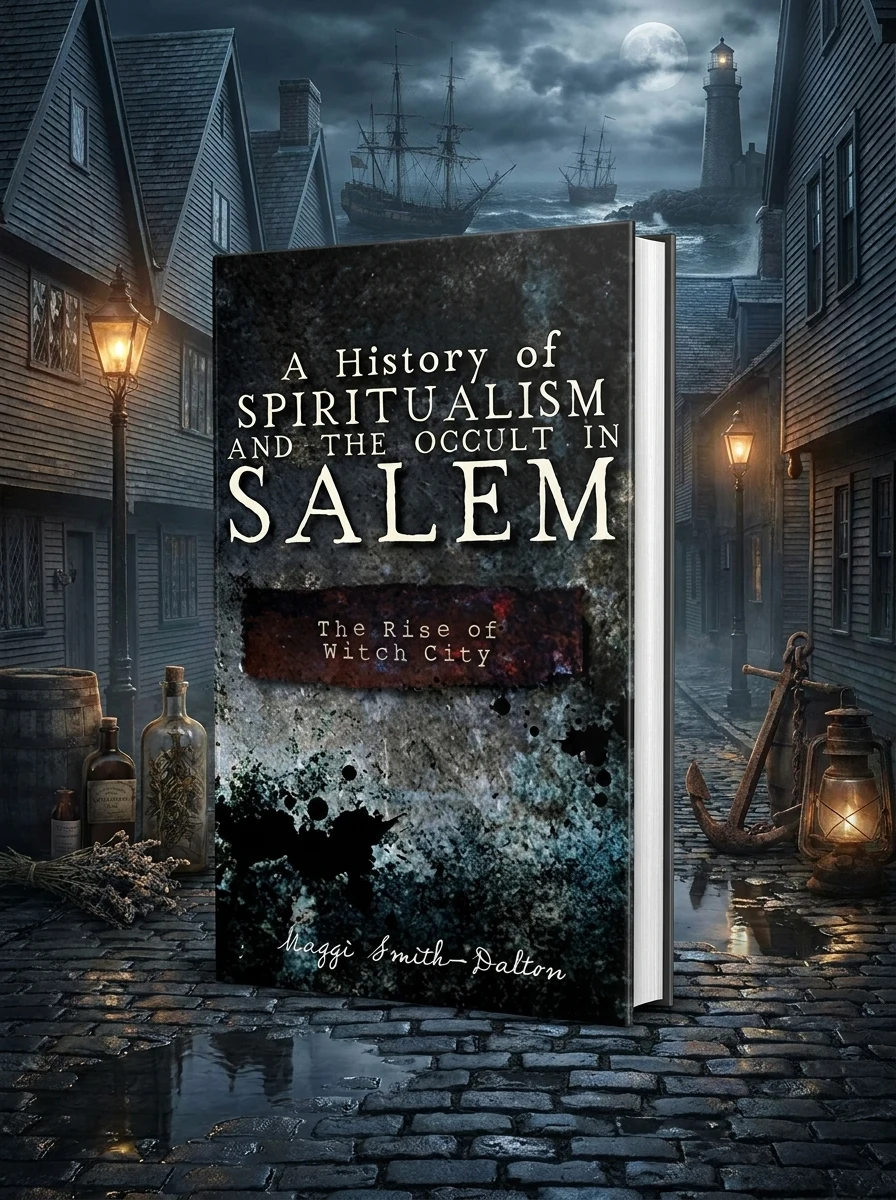
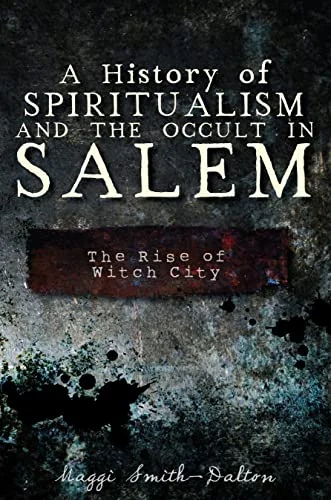
A History of Spiritualism and the Occult in Salem: The Rise of Witch City
✍️ Smith-Dalton, MaggiDelve into Salem, Massachusetts, a town celebrated for its colonial charm and profound maritime connections, yet most famously defined by its historical links to the occult. While the infamous 1692 witch trials cast a long shadow, this compelling volume unearths a lesser-known, equally fascinating chapter. Discover how Salem's identity as "Witch City" was not solely forged by Puritan fear but significantly shaped by the vibrant emergence of Spiritualism and other esoteric practices in subsequent centuries, revealing a continuous thread of supernatural fascination.


📝 Description: A History of Spiritualism and the Occult in Salem: The Rise of Witch City
📑 What's inside
- Acknowledgements
- Introduction
- Prologue: Do This in Remembr'ance
- 1. Old Salem is Gone
- 2. Occult Incubators
- 3. Spirited Conversations
- 4. Psychics, Healers and Clairvoyants
- Afterword: Changing Attitudes
- Postscript
- Notes
- Bibliographic Survey
- Image Credits
- Index
- About the Author
💎 Expert review
📖 Why choose it
Why this book is worth reading
Readers fascinated by the intersection of local history and esoteric practice will find this book an enlightening companion. It offers a refreshing perspective on Salem, moving beyond the sensationalized imagery of the witch trials to explore the vibrant spiritualist movements that followed. Those interested in how myth-making influences modern cultural identity, particularly in places like Witch City, will appreciate the depth of insight provided. It serves as a perfect entry point for anyone seeking to understand the continuous thread of supernatural fascination that defines this iconic Massachusetts town, appealing to both history buffs and occult enthusiasts alike.
⭐ Reader reviews
Reader rating
This text provides a necessary corrective to the monolithic view of Salem’s past, effectively detailing the rise of Spiritualism alongside its colonial roots. However, readers seeking deep theological analysis or academic rigor may find the narrative too accessible and light on scholarly citation. It is best suited for casual learners and tourists rather than serious historians. While it successfully highlights the town's mystical allure, those expecting a critical deconstruction of Puritan theology might feel underwhelmed by its focus on cultural narrative over doctrinal study.
❓ Frequently asked questions
📖 Who should read this
If you're captivated by Salem's mystical aura but yearn for a narrative beyond the oft-repeated witch trial accounts, this book is for you. Ideal for history enthusiasts, occult scholars, and anyone curious about the continuous threads of esoteric practice that wove through this iconic New England town.
🎯 Key themes and symbolism
Beyond 1692's Shadow
This book meticulously peels back the layers of Salem's occult narrative, demonstrating that its association with the supernatural extends far beyond the well-trodden ground of the witch trials. It highlights how the city consistently attracted and nurtured various esoteric traditions long after the Puritan era.
Spiritualism's Flourishing
Explore the profound impact of the Spiritualist movement on Salem's cultural and social landscape. The book details how seances, mediums, and communication with the deceased became an integral part of the city's mystical identity, drawing seekers and practitioners to its shores.
"Witch City" Evolved
Understand how Salem's enduring moniker isn't merely a relic of its puritanical past, but a dynamic title continually reinforced and redefined by later generations of occultists, spiritualists, and practitioners of the arcane. It showcases the city's complex, evolving relationship with the esoteric.
📜 Historical context
📚 Glossary
- Occultism
- Spiritualism
- Witch City
📔 Questions to reflect on
- How might a city's historical trauma, like the Salem Witch Trials, inadvertently create fertile ground for future esoteric movements?
- Consider the appeal of Spiritualism in 19th-century America. What societal needs or anxieties might it have addressed, particularly in a place like Salem?
- If you were to trace the 'occult lineage' of your own hometown, what forgotten or lesser-known spiritual histories might you uncover?