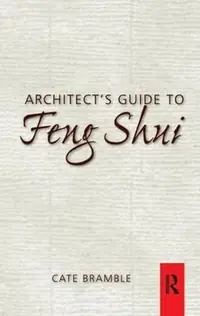
Architect's Guide to Feng Shui
 81
81
 Editorial score
How we rate
Editorial score
How we rate
This edition can be ordered. No arrival date is confirmed.
Unlock the authentic, ancient wisdom of Feng Shui for modern architectural excellence.
Step beyond superficial trends and delve into the rigorous, technical application of classical Feng Shui. This indispensable guide, crafted for architects, meticulously details how to harmonize structures with the inherent spiritual energies of a site. Discover practical principles for planning, material selection, and spatial configuration, all grounded in archaeological evidence and Eastern tradition. Bramble empowers professionals to not only elevate design but also to proactively forecast potential project challenges, offering a competitive edge in today's demanding construction landscape.
This work bridges traditional Eastern metaphysical practices with contemporary Western architectural theory, positioning Feng Shui as a rigorous technical discipline rather than a mere decorative trend.


📝 Description: Architect's Guide to Feng Shui
💎 Expert review
📖 Why choose it
Why this book is worth reading
Professionals in architecture and construction will find immense value in this guide, as it moves beyond superficial trends to offer a rigorous, technical application of classical Feng Shui. By grounding spatial configuration and material selection in archaeological evidence and Eastern tradition, Bramble empowers practitioners to harmonize structures with inherent spiritual energies. This approach not only elevates design quality but also provides a competitive edge by helping forecast potential project challenges. It is essential for those seeking to integrate authentic ancient wisdom into modern architectural excellence, ensuring their work resonates with the deep, invisible forces of the site while meeting contemporary professional standards.
⭐ Reader reviews
Reader rating
Bramble delivers a dense, technically oriented manual that demands serious engagement from the reader. The text prioritizes rigorous application and archaeological evidence over accessible storytelling, making it unsuitable for casual readers seeking simple home decor tips or those intimidated by complex theoretical frameworks. While architects and esoteric scholars will appreciate the depth and professional utility of forecasting project challenges through spiritual energy analysis, general audiences may find the tone overly academic and the subject matter too specialized. It is a niche tool for experts, not a broad introduction.
❓ Frequently asked questions
📖 Who should read this
If you're an architect seeking a competitive edge, or a designer committed to integrating profound, spiritual harmony into your projects, this technical guide offers an indispensable framework. It will elevate your professional practice beyond mere aesthetics, connecting your work to ancient wisdom.
🎯 Key themes and symbolism
Authentic Principles Unveiled
This volume rigorously distinguishes traditional, profound Feng Shui from its modern, often decorative, interpretations. It delves into the foundational principles observed by ancient Chinese masters, moving beyond 'feng shui-lite' to present a serious, academically grounded approach to environmental harmony, ensuring readers grasp the true depth of this ancient practice.
Architectural Integration
The book serves as a practical manual for integrating Feng Shui into contemporary building design. It offers clear guidance on applying these principles to planning, selecting building materials, configuring services, and arranging elements within a structure. Architects will find actionable strategies for creating spaces that resonate with beneficial energies.
Project Foresight & Mitigation
Beyond aesthetic enhancement, authentic Feng Shui is presented as a powerful tool for predictive analysis. The text explores its unique capacity to anticipate potential development-related issues, such as cost overruns, quality control challenges, and even workplace safety concerns, offering a strategic advantage for project management and risk assessment.
💬 Quotes from the book
“The superficial application of symbolic elements, while aesthetically pleasing, often misses the profound energetic calculus that defines true Feng Shui practice.”
“A thorough site analysis, informed by classical principles, can reveal latent energetic imbalances that directly correlate to future project liabilities, from cost overruns to worker safety.”
📜 Historical context
📚 Glossary
- Feng Shui
- Harmonization
- Spiritual Forces
📔 Questions to reflect on
- How might integrating authentic Feng Shui principles change your approach to initial client consultations and site evaluations?
- Consider a recent architectural project: where could a deeper understanding of site harmonization have influenced its outcome or mitigated unforeseen challenges?
- What ethical considerations arise when applying profound spiritual principles to commercial or public architectural design, and how would you address them?
🏛 Books from this publisher Routledge
All books from this publisher →

 89
89

You might also like
See more → 91
91
 91
91

 90
90
 90
90