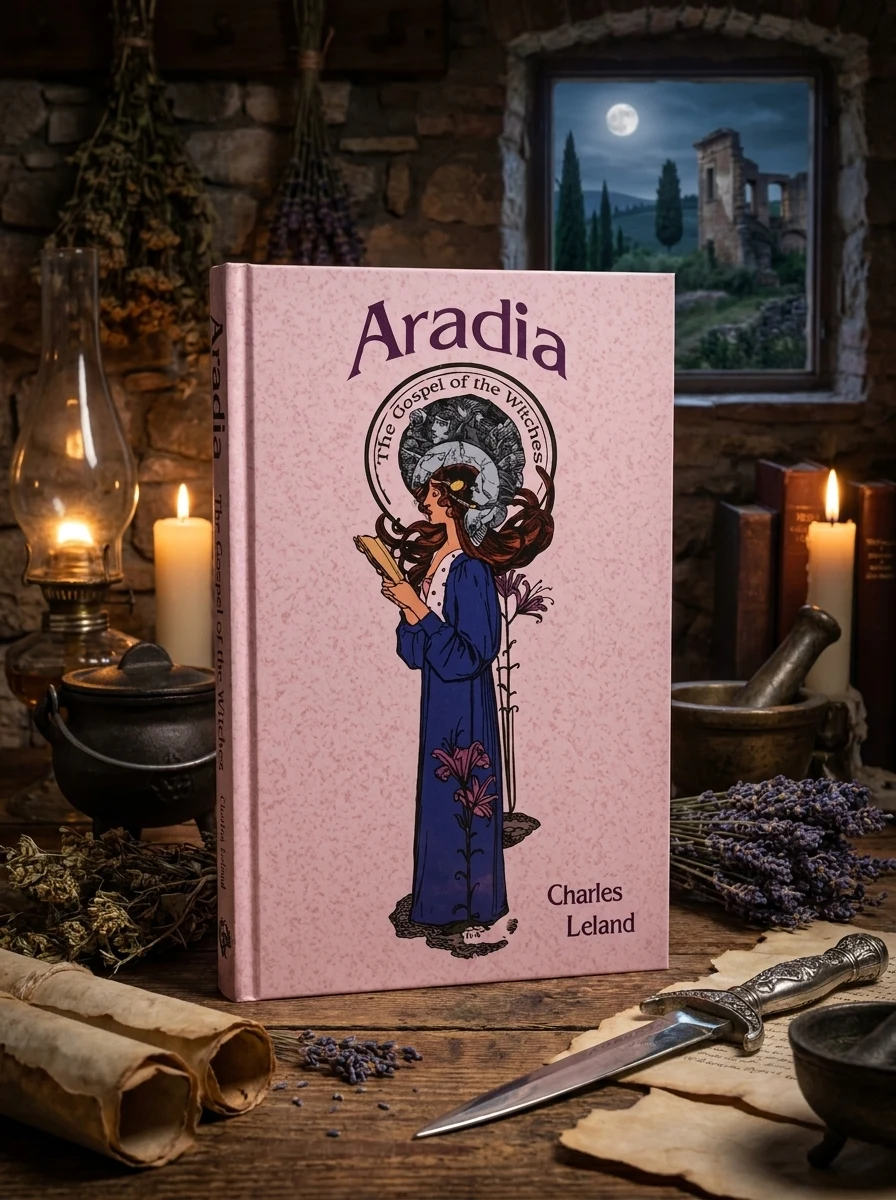
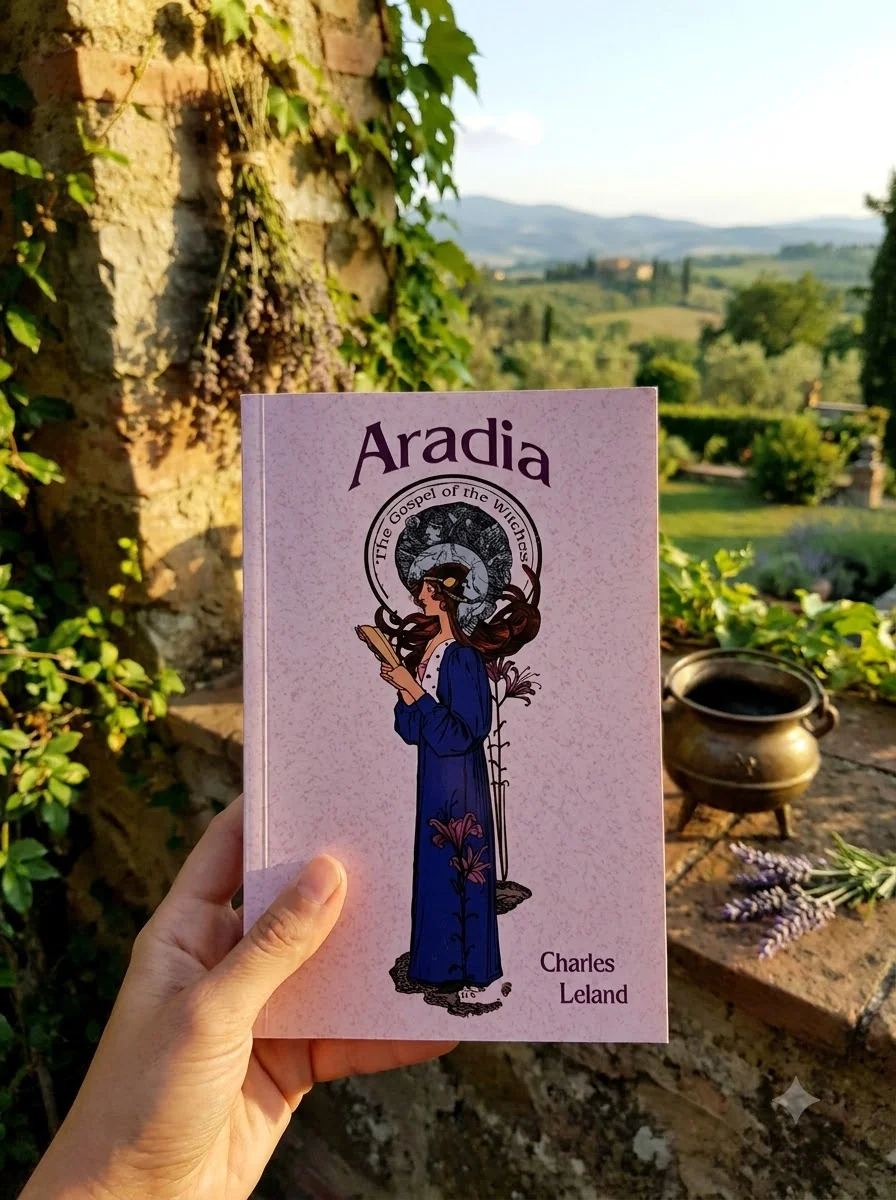

Aradia: The Gospel of the Witches
✍️ Leland, CharlesCharles Leland recorded this text after meeting a woman in Italy during the 1800s. She revealed the traditions of Strega, an older religious belief system that predated Christianity. This edition, published by Book Tree, offers readers direct access to early pagan concepts and historical witchcraft practices. It serves as an informative resource for scholars of early religion, Wiccans, and pagans researching pre-Christian traditions.


📝 Description: Aradia: The Gospel of the Witches
💎 Expert review
📖 Why choose it
Why this book is worth reading
Readers deeply invested in the genealogy of contemporary magical practices will find this volume indispensable for understanding the purported roots of their craft. By chronicling encounters with a mysterious woman revealing the secrets of Strega, Leland provides a unique window into a spiritual path centered on the divine feminine and ancestral European traditions. It is essential for those seeking to connect with the
⭐ Reader reviews
Reader rating
Leland’s work is a fascinating ethnographic record that bridges folklore and esotericism, yet it demands critical scrutiny from its audience. While it offers a compelling narrative of pre-Christian survival, modern scholars often debate its historical accuracy and Leland’s editorial influence on the source material. It does not suit readers seeking strictly academic, peer-reviewed historiography or those uncomfortable with 19th-century romanticized interpretations of paganism. However, for those interested in the mythology that shaped Wicca, it remains a vital, albeit flawed, primary text that captures the spirit of a specific magical worldview.
❓ Frequently asked questions
📖 Who should read this
If you are a seeker of ancient spiritual paths, a practicing Wiccan, or simply fascinated by the historical roots of paganism, this book is indispensable. Dive into its pages to discover a foundational text that shaped modern magical thought and practice.
🎯 Key themes and symbolism
Ancient Witchcraft Traditions
This volume illuminates the Strega, an "Old Religion" purportedly practiced in Italy for centuries, offering a rare glimpse into a pre-Christian magical lineage. It details the rituals, spells, and invocations attributed to these practitioners, revealing a spiritual system deeply connected to nature and ancestral veneration, distinct from later folk magic.
Origins of Modern Paganism
Considered a cornerstone text, the book provides a narrative framework and theological concepts that significantly influenced the development of contemporary Wicca and other neopagan movements. It presents an early, organized depiction of a witch cult, shaping much of the understanding and practice of modern magical spiritualities in the Western world.
Feminine Divine Authority
Central to the Strega tradition as presented is the figure of Aradia, a divine messianic witch figure who descends to Earth to teach the oppressed the ways of witchcraft. This emphasis on a powerful, liberating female deity offers a compelling alternative to patriarchal religious structures, celebrating feminine wisdom and empowerment.
📜 Historical context
📚 Glossary
- Strega
- Wicca
- Paganism
📔 Questions to reflect on
- Reflect on the concept of an 'Old Religion' predating Christianity. How might such ancient beliefs inform or challenge your own spiritual understanding today?
- Consider the figure of Aradia as a divine teacher and liberator. What qualities do you find most compelling or inspiring in her story, and how might they apply to modern empowerment?
- Leland's work has been both celebrated and scrutinized. How do you weigh the importance of historical authenticity against the inspirational or foundational impact a text can have on a spiritual movement?
📖 Read on the blog
✍️ More books by this author Leland, Charles
All books by this author →


🏛 Books from this publisher Book Tree
All books from this publisher →




You might also like
See more →






Have a question about this item?
Ask about the edition, condition, delivery or anything else — we reply by email or phone, usually within a day.
