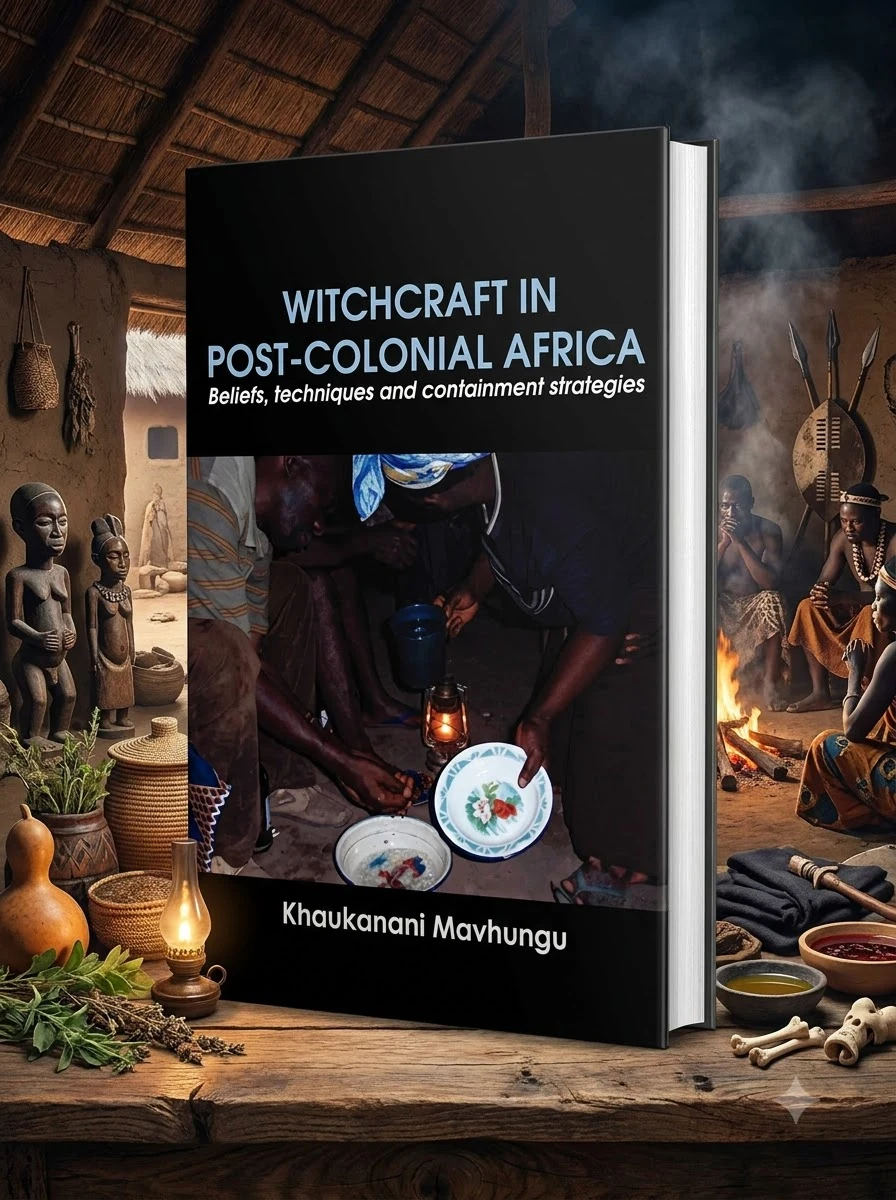
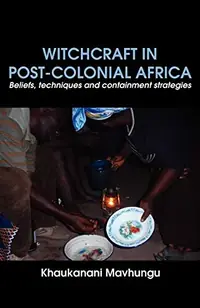
Witchcraft in Post-colonial Africa. Beliefs, techniques and containment strategies
Stock reported in the catalog; fulfillment is confirmed with your request.
Unravel why witchcraft ignites violence in Venda but not Kom.
This compelling ethnographic study by Mavhungu meticulously compares witchcraft beliefs and their societal impact in two distinct African kingdoms: Kom in Cameroon and Venda in South Africa. It delves into the perplexing question of why witchcraft accusations frequently escalate into widespread violence in Venda, yet remain largely contained within Kom. The author meticulously details how variances in local perceptions of witches, the distinct roles played by traditional leadership, and differing governmental responses to witchcraft matters all contribute to these profound disparities. This work offers a critical re-evaluation of established anthropological theories regarding witchcraft's social functions.
This ethnographic study sits within the tradition of post-colonial African anthropology, examining the complex interplay between indigenous belief systems and modern state governance in contemporary Southern and Central Africa.


📝 Description: Witchcraft in Post-colonial Africa. Beliefs, techniques and containment strategies
💎 Expert review
📖 Why choose it
Why this book is worth reading
Readers fascinated by the sociological mechanics of belief will find immense value in this comparative analysis. It particularly benefits scholars and students of anthropology who seek to understand how local perceptions, traditional leadership roles, and governmental responses converge to shape societal outcomes. By contrasting the violent escalation in Venda with the containment in Kom, the book offers a vital framework for interpreting conflict resolution and social order in post-colonial contexts. Those interested in the nuances of power dynamics and the practical application of esoteric beliefs in daily political life will gain a deeper, evidence-based understanding of why similar accusations yield such divergent results across different cultural landscapes.
⭐ Reader reviews
Reader rating
Mavhungu delivers a rigorous academic examination that may feel dry to casual readers seeking narrative flair. The work is essential for specialists in African studies and anthropological theory who require detailed institutional analysis. However, it does not suit those looking for accessible storytelling or personal memoirs regarding witchcraft. Readers expecting broad generalizations about 'African magic' without specific regional context will likely find the focus on Kom and Venda too narrow. The dense theoretical engagement with established anthropological frameworks demands patience and prior knowledge of the field, making it a specialized resource rather than a general interest read.
❓ Frequently asked questions
📖 Who should read this
If you're drawn to the intricate dynamics of belief systems, cultural conflict, and the impact of colonial legacies on traditional practices, this rigorous ethnographic study offers profound insights into how societies navigate the complex reality of witchcraft.
🎯 Key themes and symbolism
Witchcraft and Social Discord
Challenging conventional anthropological thought, the book powerfully argues that witchcraft is not always a mechanism for resolving social tensions. Instead, it can actively instigate profound societal disruptions and violence, even in the absence of prior strained relations, demonstrating its capacity to create rather than merely reflect conflict.
Authority's Role in Containment
The study underscores the critical influence of both traditional authorities and state interventions in managing witchcraft accusations. It reveals how their differing approaches—from legal frameworks to community mediation—are pivotal in determining whether beliefs lead to open conflict or are successfully contained within established social structures.
💬 Quotes from the book
“The stark divergence in how Kom and Venda societies manage similar witchcraft beliefs compels us to re-evaluate the universality of anthropological frameworks.”
“Witchcraft accusations, far from merely expressing pre-existing social fissures, can themselves become the catalyst for profound community disruption.”
📜 Historical context
📚 Glossary
- Ethnography
- Witchcraft Accusation
- Post-colonial
📔 Questions to reflect on
- Consider a belief or practice in your own culture that, while seemingly benign, could potentially escalate into conflict under different societal conditions. What factors would enable or prevent such escalation?
- Reflect on the role of authority figures (traditional, governmental, or community) in mediating disputes. How might their actions either defuse or intensify conflicts rooted in deeply held beliefs?
- This book challenges existing theories. Can you identify other areas where conventional wisdom about human behavior or societal structures might be incomplete or misleading, and what new perspectives might emerge from challenging them?
🏛 Books from this publisher Langaa RPCID
All books from this publisher →
You might also like
See more →
 91
91
 91
91